Total Pageviews

Wednesday, 21 October 2015

Low Carb Chocolate Log With Blueberries


This is a very nice low carb chocolate log, with added blueberries. Could be perfect for Sunday dessert.

Ingredients:
1 cup Almond flour
3 Eggs
50g Butter
¼ cup Psyllium husk
½ cup Coconut cream
¼ cup Cocoa
1 tbsp Natvia (or sweetener of your choice)
1 tbsp Vanilla essence 


Filling:
250g cream cheese
50g Butter - melted
1 tbsp Natvia
1 tbsp Vanilla essence
½ cup blueberries or sliced strawberries

Instructions:
 
Combine almond flour, psyllium husks, cocoa, and natvia. Add melted butter, beaten eggs and coconut cream. Mix well. Lay a lamington (baking) tray (30x20cm) with oiled/ greased greaseproof paper. Press mixture onto paper and bake at 180 c for 15 minutes. Remove from oven and cool slightly. While still warm lift paper/cake out of tray and lay on a clean tea towel, paper side on the tea towel. 


Roll gently and leave to cool completely. Mix filling ingredients. When the roll is cool, very gently unroll. Spread filling on cake and spread with blueberries/strawberries. Gently roll again pressing the paper as you do.
Serves 10. 
Carbs per serving 2.9

Thanks to Julia for this recipe idea here

All the best Jan

Tuesday, 20 October 2015

The wonders of burning fat

RICH WYGAND CHASING DREAMS

Challenging the limits of the body, mind and soul by racing Ironman!

Well, after my race “incident” I went back to do some blood exams to compare to my old ones. As you all know I am no doctor, but I understand about diet and training quite a bit, and I also know how I feel. Looking at glucose to start. I have a glucose tester at home, normally on a low-carb diet my fasting glucose is about 72 which is great. I remember when I was on a high carb diet (which was when my problems started) my glucose fasting was raising and it got 86 to 96. When I tested a few days after the race (and this was 2-3 days after I had a very low carbohydrate intake) my glucose was still at 86. It is worth saying that the high insulin levels “disabled” the body’s ability to burn fat as fuel.


Saturated fat is the easiest one for the body to burn. Kerry gold is my favorite butter!

The other key aspect to look at is that, when I tested for A1C (Glycated hemoglobin – is a common blood test used to diagnose type 1 and type 2 diabetes) in the past, I had the A1C level on the high end 5.7, and with the low-carb (reads also low sugar) diet, nowadays is down to 5.5. Dr. Jeff Volek (and expert in this diet and also co-writer of Art and Science of Low Carb Living) says people with insulin resistance (or carb sensitivity) should keep a very very low carbohydrate intake. He mentioned that “if you keep a low carb intake but still with 50% of fat (and not higher), is like traveling to Hawaii half and not enjoy Waikiki”. (Based on the blood exams we can seen some sugar spikes.)

In order to enjoy the benefits of a low carb living, people with sensitivity, like my case, have to keep fat intake about 70 to 75% of the calories. The funny  thing (and great news!) is that I did another blood test 2 weeks after the race, and my glucose fasting was back to 72 and energy level a lot higher.

With all that being said, I am here to show the wonders of burning fat. Prior to all of that I was doubting how my season was going to end. For once I was keeping my fat intake only about 55%. I was feeling burned out, and it’s all related. The sugar imbalance make you feel like that. I took 4 weeks off, by that means I only trained 2 hours a week (or less). I decided to go back on training and my longest run was 10 miles prior to the half ironman. After the incident I went back to very low-carb and high fat as I explained. Around 75% of my calorie intake is FAT, which if you really write it down, this isn’t a lot of food, only more fat than the carbohydrate (see below an example of one day diet).


In one week the results are just amazing. I went out and did 16 miles run like it was a breeze, since then training ramped up big time so did my energy levels, besides, I was able to see thru my blood exam how carb sensitive I am and how my blood sugars oscillate. Burning fat as fuel is a key piece of endurance performance and well being. Of course everyone is different, and some are more sensitive to certain foods than others, but as a general rule, real food and specially natural fats are the best fuel you can use for performance in sport, and even for daily activities.


Graham

From Pharma to Table: The McDonald's-Pfizer Merger

Last night’s unexpected merger between Pfizer and McDonald’s sent shock waves through Wall Street, the Pharmaceutical industry and the heavily-processed meat community.

“It was a no-brainer, really” remarked Pfizer CEO Ian Read. ‘These beloved brands have long enjoyed a symbiotic corporate relationship.  We finally decided that as long as McDonald’s is creating new patients for our medications – medications which keep their consumers alive and able to keep walking back to enjoy those 99-cent specials - why not work together?’

The top-secret negotiations, months in the making, sent stock prices soaring as McDonald’s franchises unveiled a new "McHealth Menu" that reflects the revised business model of McDonald’s/Pfizer (now listed as ‘McPfiz’ on the S&P 500).

‘The New McBLT, featuring Bacon, Lipitor & Tomato, redefines health & commerce’ says Fred Golgoth, McDonald’s VP of  Globalization & Happy Meal Toy Development.    ‘It’s a logical progression – together we’ll give people the tasty food products they love, and, should said products threaten their health, we also provide the drugs to neutralize that threat.”

More on this story here.

Eddie

Kale Chips Anyone - These are a Zesty Nacho flavour

Delicious dairy-free nacho kale chips with nutritional yeast.

"These low carb kale chips are paleo and vegan. Not to mention just about the tangiest, tastiest, healthiest snack around!" This recipe idea from Carolyn makes kale chips using a mix of spices and nutritional yeast."If you haven’t yet tried nutritional yeast, I’d say it’s definitely something to add to the list. It’s got a pleasant cheesy flavour so it’s a great addition for people who can’t eat dairy. 

Ingredients:
1 large bunch kale
1 tsp chili powder
1/2 tsp garlic powder
1/2 tsp ground cumin
1/2 tsp sea salt
1/4 tsp pepper
1/8 tsp cayenne
1/4 cup avocado oil
1/4 cup nutritional yeast
Additional salt if desired

These cheesy nacho kale chips are vegan, low carb and paleo. Not to mention delicious!

Instructions:
Preheat oven to 350F. Trim kale from hard stems and cut or tear into 2 inch pieces. Wash and dry thoroughly (I suggest a salad spinner).
In a small bowl, combine chili powder, garlic powder, cumin, sea salt, pepper, and cayenne.
In a large bowl, toss kale with avocado oil. Sprinkle with spice mixture and nutritional yeast. Toss well to combine. Don't be afraid to press kale up against sides of bowl to make the spices and yeast adhere.
Spread in a single layer on one or two baking sheets (you can line them with parchment, but I find the kale gets crispier if I just do it right on the pan). Make sure kale pieces aren't too clumped together so that they crisp up properly. (you may need to work in batches).
Bake 10 minutes and then turn off oven and let stay inside until crisp, another 2 to 5 minutes. Remove and let cool, and repeat with any remaining kale. Add more salt if desired.

Notes:
Serves 4. Each serving has 7.68 g of carbs and 2.24 g of fiber.

Total NET CARBS = 5.44 g.

Do hope you enjoy these kale chips and if you've not tried Zucchini / Courgette Crisps yet, do have a look at this recipe idea here


All the best Jan

Monday, 19 October 2015

More On Walking Back The Low Fat

Last week’s article provided a bit of historical perspective on how the elites could be so wrong for so long on dietary matters. Also included was one comment from Rep. Collin Peterson (D-MN), at the recent House Committee On Agriculture Hearing On 2015 Dietary Guidelines For Americans, which featured this put-down: “I just want you to understand from my constituents, most of them don’t believe this stuff anymore. You have lost your credibility with a lot of people, and they are just flat-out ignoring this stuff.”

During the same hearing, and referring to the obesity epidemic, Rep. Dan Newhouse (R-WA) asked Secretary of Agriculture Tom Vilsack: “Are Americans healthier or less healthy since the guidelines have been published, and therefore, are these—have these—in some way, have these guidelines somewhat failed?”

The Congressional hearing was convened primarily to address the 571-page document, issued in February, 2015, entitled “Scientific Report of the 2015 Dietary Guidelines Advisory Committee.” This report has a major influence on the Dietary Guidelines themselves, to be issued before the end of the year. The report generated an incredible 29,000 public comments, way up from the 8,000 posted during the 2010 iteration of the Committee.

Perhaps the most comprehensive—not to mention withering—critique of the report was done by Nina Teicholz, bestselling author of The Big Fat Surprise. Here’s the elevator pitch for this well-reviewed book:

“Investigative journalist Nina Teicholz reveals the unthinkable: that everything we thought we knew about dietary fats is wrong. She documents how the past sixty years of low-fat nutrition advice has amounted to a vast uncontrolled experiment on the entire population, with disastrous consequences for our health.”

“For decades, we have been told that the best possible diet involves cutting back on fat, especially saturated fat, and that if we are not getting healthier or thinner it must be because we are not trying hard enough. But what if the low-fat diet is itself the problem? What if those exact foods we’ve been denying ourselves—the creamy cheeses, the sizzling steaks—are themselves the key to reversing the epidemics of obesity, diabetes, and heart disease?”

Working off a small grant from the Laura and John Arnold Foundation, Teicholz published “A Critical Review of the Science for Key Recommendations in the 2015 Report by the USDA Dietary Guidelines Advisory Committee” on September 20, 2015. An abridged version appeared a few days later in theBMJ. Some key findings…

1. The Dietary Guidelines Advisory Committee (DGAC) admits that its recommended diets fail to meet adequacy goals for a number of essential vitamins and nutrients including potassium, Vitamin D, and Vitamin E.

2. Although the report seems to favor whole grains, it still recommends three servings per day of refined grains, despite acknowledging that refined carbohydrates worsen certain heart disease risk factors.

3. DGAC is still mired in the saturated fat/heart disease meme, and purposely ignores the latest evidence to the contrary. Indeed, it still recommends a low fat diet.

4. DGAC trashes low carb, and willfully denies boatloads of favorable evidence. Teicholz provides 141 published references.

5. For its review of the relevant literature, DGAC relied on outside entities for 63% of the work. In many cases, these were industry trade associations, or individuals directly supported by them.

6. Inexplicably, DGAC members are not required to reveal potential conflicts of interest. One member has received funding from the tree nut industry, and two have been funded by vegetable oil companies, whose types of products (polyunsaturated vegetable oils) are promoted in the report. The DGAC chair, a non-academic, is president of a company that directly benefits from DGAC positions, and dietary orthodoxy in general.

Teicholz assiduously documents these points and more. Yet, there are some voices that express disagreement.

One, of course, is DGAC itself. In essence, it mostly denies Teicholz’s allegations, but offers scant factual basis, and categorizes her critique as nothing more than an effort to boost book sales. Apparently, committee member Miriam Nelson has no interest whatsoever in selling her own oeuvre of ten popular books. DGAC seems blissfully unaware of its “echo chamber” mentality, and clings to the puerile notion that any vetting process at all could overcome its inherent bias toward institutional orthodoxy.

Another is the inaptly named Center for Science in the Public Interest. To attack Teicholz, CSPI offers a call to authority: “[T]he DGAC’s advice is consistent with dietary advice from virtually every major health authority, including the American Heart Association, the American College of Cardiology, the American Diabetes Association, the American Cancer Society, World Health Organization, and the Obesity Society.”

Hey guys, if obesity were decreasing, maybe then you could invoke these pathetic self-serving trade groups. Is it just a coincidence that obesity started to be a major problem the same year the first guidelines were published (1980)? Would you also continue to cite as an expert Treasury Secretary Andrew Mellon, who averred a few weeks before the 1929 stock market crash, “There is no cause to worry. The high tide of prosperity will continue”?

Finally, it must be said that there is no love lost between CSPI and Teicholz, in that she outed CSPI’s chief ghoul Michael Jacobson as being instrumental in promoting trans fats—supposedly as a substitute for evil saturated fats.

Given 35 years of epic failure, maybe it’s time to agree with Rep. Peterson, and just ignore the Committee altogether.


Graham

Garlic and it's Health Benefits


Some love it, others hate it. As Jo Lewin Says " A tasty superfood or smelly spice? Get the full story on this common ingredient ...

An introduction to garlic...

Highly valued throughout the ages as a culinary spice, garlic is one of the oldest cultivated plants in the world. It is a hardy perennial belonging to the liliaceae family. Other members of this family include leeks, chives, spring onions and shallots, all distinguished by their pungent aroma and flavour.

Its usage predates written history; Sanskrit records document the use of garlic remedies approximately 5000 years ago. Legend suggests that Egyptian pharaohs prized garlic very highly and slaves building the pyramids were given a daily ration to keep them fit and strong. Throughout history, garlic has been regarded as a well-trusted remedy: during epidemics such as cholera and tuberculosis and in World War 1 where it was used as an antiseptic applied to wounds to cleanse and heal and to treat dysentery caused by the poor sanitary conditions in the trenches.

...The legend of the vampire


Throughout time, superstition has credited garlic with the ability to avert disease and evil spirits. Stories, verse and folklore claim garlic has the ability to ward off vampires. If worn around the neck or placed at the window, the plant's pungent flowers are believed to provide protection and keep vampires from entering.


Nutritional highlights:

The garlic bulb is the most commonly used portion of the plant, composed of 8-20 individual, teardrop shaped cloves enclosed in a white parchment-like skin. It is an excellent source of vitamin B6 (pyridoxine). It is also a very good source of manganese, selenium and vitamin C. In addition, garlic is a good source of other minerals, including phosphorous, calcium, potassium, iron and copper.

Many of the perceived therapeutic effects of garlic are thought to be due to its active ingredient allicin. This sulphur-containing compound gives garlic its distinctive pungent smell and taste. Luckily for us foodies, the action of chopping or crushing garlic supposedly stimulates the production of allicin, however it is thought that cooking garlic inhibits the formation of some of the perceived medicinal properties.

Tip...

...If you love eating raw garlic but hate the lingering aftertaste, try chewing parsley as it works very well as a breath freshener.


Research:

Modern research has focused on garlic's potential to reduce the risk of heart disease, cholesterol levels and cancer. Several studies suggest that garlic makes platelets (the cells involved in blood clotting) less likely to clump together and stick to artery walls, therefore acting as an anticoagulant and so reducing the risk of heart attacks. The sulphurous compounds have also been studied for their ability to inhibit cancerous cells and block tumours by slowing DNA replication. The ability of these compounds to depress tumour cell proliferation is still being studied extensively.

Garlic may also lower blood pressure slightly, mainly through its ability to widen blood vessels.

Garlic has a long history of use as an infection fighter - against viruses, bacteria and fungi. It has been referred to as 'Russian penicillin' to denote its antibacterial properties. Some skin conditions such as warts and insect bites may respond to garlic oil, or a crushed raw garlic clove.


How to select and store:

For the best flavour and maximum health benefits, buy fresh garlic. Do not buy garlic that is soft, shows evidence of decay or is beginning to sprout. Garlic in flake, powder or paste form is convenient, but it is not as good as fresh garlic. It is best stored at room temperature in an uncovered container in a cool, dark place away from exposure to heat and sunlight. Storing it in this manner will help prevent sprouting. Depending on its age and variety, a whole garlic bulb will keep fresh from 2 weeks to 2 months

Tip:

Once you break the head of garlic, it greatly reduces its shelf life to just a few days.

Safety:

Garlic poses little safety issues and allergies are rare. If you are using the herb for cholesterol, have your levels checked after three months. The recommended daily amount of garlic ranges from half - one full clove per day (around 3000-6000mcg of allicin). Please note that some people may experience indigestion, intestinal gas and diarrhoea when taking high doses of garlic.

All of Jo's words and article can be seen here

How about trying this recipe idea, it's very popular, uses a little garlic and tastes great


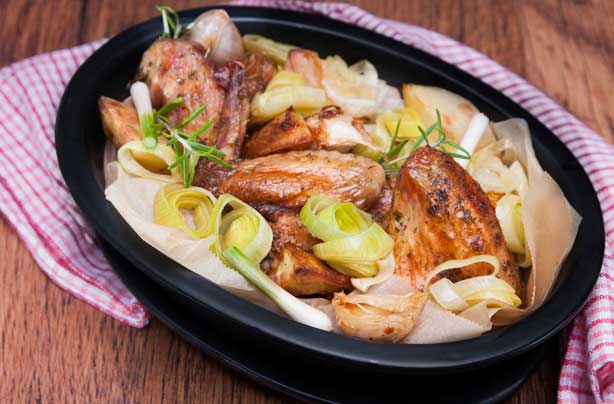
Chicken Wings ProvenƧal

Provencal chicken wings

recipe details are here

All the best Jan

Sunday, 18 October 2015

Big pharma fights California, Ohio voter initiatives

Voter initiatives in California and Ohio to control the price of prescription medications could be on the November 2016 ballot, and the efforts to curb rising drug costs have the industry pushing back.

he California and Ohio initiatives tie the cost that state programs pay for drugs to that paid by the U.S. Department of Veterans Affairs. Proponents of the California proposal are collecting signatures to get it onto the ballot and put it to a vote next year.

"In the aggregate, we know that the V.A. price is, generally speaking, 20 percent below the average government price," said Michael Weinstein, president of the Los Angeles-based AIDS Healthcare Foundation and the sponsor of the so-called California Drug Price Relief Initiative. "We want California and Ohio to get that price."

The question of soaring drug costs is likely to be a major topic of debate in Tuesday's Democratic presidential debate. Hillary Rodham Clinton and Sen. Bernie Sanders, Independent from Vermont, have weighed in on health-care issues — and both of the candidates have been critical of Turing Pharmaceuticals CEO Martin Shkreli, whorecently announced a 5,500 percent increase in the cost of a drug used to treat a parasitic infection that's common in AIDS and HIV patients. The former U.S. secretary of state, who called the CEO's move "price gouging," has proposed a $250 monthly cap on out-of-pocket prescription drug costs; the senator from Vermont has offered a federal prescription drug affordability bill.

The industry is pushing back against the drives in California and Ohio with claims that capping prices would reduce innovation among pharma companies.

Passage of the drug-price initiative "would have disastrous effects on the accessibility and affordability and quality of health care in California," said Sara Radcliffe, president and CEO of the California Life Sciences Association, which represents more than 750 biotechnology, pharmaceutical, medical device and other related companies and organizations. "By pegging the price of drugs to that price that is paid by the Veterans Affairs, it will limit the resources that are available for innovation by our member companies. And that will ultimately come back to harm the patients."

Radcliffe said the drug and biotech companies have a difficult road ahead of them when they try to bring innovative drugs to the market. She said it typically involves 12 to 15 years of research effort, and in the end "only one out of five medicines are making back their costs."

Drug companies — including Johnson & Johnson, Bristol-Myers Squibb,Pfizer and Purdue Pharma, among others — have so far donated a combined $10 million to fight the California initiative, according to thelatest campaign finance information from the California secretary of state. J&J and the others declined to comment for this report and directed inquiries to an industry-backed group known as the Pharmaceutical Research and Manufacturers of America.

"While this ballot measure may look simple, the changes being proposed will have adverse consequences for Californians," said Kathy Fairbanks, the spokesperson for the California coalition to defeat the drug-price measure. "If it goes forward we will be preparing a campaign to educate voters in California about its negative consequences. We expect a broad coalition of groups, representing millions of Californians, to strongly oppose this ballot measure and help us defeat it if qualifies for November 2016."

In California, the drug-price initiative would prohibit state agencies from paying more for a prescription drug than the lowest price paid for the same drug by the V.A. It would apply to any program where the state is the ultimate payer for a drug (such as state prison health care), even if the state does not purchase the drug directly (such as in the state pension fund's health-care plans, AIDS assistance programs, or the California Medicaid program known as Medi-Cal). However, it exempts certain purchases of prescription drugs funded through Medi-Cal.

According to Weinstein, the proponents have collected just over 500,000 signatures — exceeding the requisite 366,880 needed to get the drug-price initiative on the statewide ballot. The proponents have until Nov. 2 to collect the required signatures.

In Ohio, meanwhile, the measure is still in the signature-gathering phase, and further steps would be required before it would be eligible for the ballot, including going before the state Legislature. The Ohio petition language is similar to the California measure's text, including one paragraph that states: "The pharmaceutical industry's practice of charging inflated drug prices has resulted in pharmaceutical profits exceeding those of even the oil and investment banking industries."

AARP, which has 38 million members nationwide, hasn't taken a formal position on the state initiatives, but the group's director of health services research, Leigh Purvis, said: "We fully understand the rationale for what California has been trying to do. But our real concern is that things at this point are reaching a tipping point where people are having to choose between like basic necessities like paying for their electricity or paying for the drugs that they need to stay healthy."


Graham

Kedgeree : The Low Carb Way


Now that was very tasty, and made a nice change to start our day. Some Sunday's it's just nice to take things slowly ... today is one of them! A leisurely breakfast with tea for me and coffee for Eddie.

We hadn't had Kedgeree for a while, don't know why, but rectified it today. If you haven't tried this low carb recipe idea using cauliflower instead of rice we can recommend it.

It is a great meal, which can be served anytime of day. It is low in carbs, and if you are a diabetic, can help you keep those BG numbers to non diabetic, it is very tasty too.

Ingredients:
(serves 2)
1 small cauliflower, grated
1 red onion, finely chopped
2 table spoons of Patak's Madras curry paste
3 boiled eggs (8 minutes in boiling water), quartered
250g smoked haddock, or unsmoked salmon is also good, poached in water for 5 minutes
Lots of finely chopped parsley, or coriander
Some lemon wedges to serve.

Method:
Fry the onion in olive oil or butter until soft. Add the curry paste and fry for 3-4 minutes more. Now add the grated cauliflower and cook until all the ingredients are well coloured, maybe 8-10 minutes.
Add the flaked fish, then the herbs and finally the eggs.
Salt and pepper to taste, then spoon onto warmed plates with the lemon wedges.

Delicious - make a note to myself - we must have this more often!

All the best Jan

Cameron "NHS safe in my hands" he lied!


Sam Smith - Writing's On The Wall (from Spectre)

Graham

Saturday, 17 October 2015

George Baker Selection - Little Green Bag (StevenMighty's Reservoir Dogs Tribute)

Can't believe it's over twenty years ago that Reservoir Dogs was released

Graham

Fruit Cake A Low Carb Alternative : Could be just right for Christmas!


... and the imaginary conversation with Julia went something like this.
Please come into my kitchen and discover this 'low carb fruit cake which is a great alternative to a traditional fruit cake.' It can be enjoyed at any time of year but could prove a popular low carb Christmas alternative.
... I gasped are there only ten more weekends to go before Christmas. I bet Santa is already busy with his elves getting all those presents ready for girls and boys all over the world!

Perhaps he may enjoy a slice of this cake, with a cup of tea. Although if there is any rum/brandy/gin left over he may prefer a small glass of that instead ...

For this lovely cake here are the ingredients you need:

170g Cranberries (dried)
½ cup Rum/brandy/gin
½ cup chopped Nuts (walnuts, Brazil)
1½ cups Almond meal
1 tbsp Natvia (or sweetener of your choice)
1 tsp Cinnamon
1 tsp Mixed spice
½ tsp Baking soda
¼ cup Butter
1 tsp Vanilla essence
1 tbsp Almond essence
4 Eggs
4 tbsp rum (extra)

Icing
½ cup Mascarpone cheese
1 tbsp Rum or brandy

How to make it:
Soak cranberries in rum (or other alcohol) for 1 hour. Mix dry ingredients (almond meal,spices, baking soda). Add cranberries and chopped nuts. Beat eggs and add melted butter, Natvia and essences and add to remaining mixture. 

Pour mixture into a 20 cm greased cake time. Bake at 170 degrees C for about 20 minutes or until the cake is firm to touch and a knife inserted comes out clean. When you remove the cake from the oven, pour the remaining 4 tbsp rum over the hot cake.
When cake is cool, spread with icing (combined mascarpone cheese and rum).

Nutrition Information
Serves: 20

Serving size: 1
Calories: 139
Fat: 10.8g
Saturated fat: 3.2g
Carbohydrates: 5.4g


... and the conversation ends, Julia I think this is a lovely recipe.

Now my blogging friends you can see the original recipe idea here but what do you think, will you give it a try!

... and dare I ask have you started your Christmas Shopping yet?


All the best Jan

Post edit - although the original recipe states cook for 20 minutes, many find that 1hr 20 minutes is better, all ovens differ so please cook until the cake is firm to touch, and when a knife is inserted it comes out clean. 

Friday, 16 October 2015

The Pioppi Protocol with Dr. Aseem Malhotra


Streamed live on Oct 16, 2015
Cardiologist and writer with a special interest in improving the nation’s diet, as my experience has taught me that prevention is definitely better than cure when it comes to our health. Campaigning to tackle obesity through public health intervention. Passionate advocate of free health care for all as I believe it is a marker of a developed society and doctors are better clinicians when not primarily incentivised by financial gain in treating patients.

http://live.smashthefat.com/

Graham

Cider-braised cod with lentils


As this is Friday 16th October it is the last day of the 2015 UK's Seafood Week. You can read more here, but I thought why not share another fish recipe idea. 

Now, one of our sons loves cod and cider! So when I saw this recipe idea I thought it one to keep ... and surprise him with!

This beautiful cider-infused dish is full of flavour, with fresh white fish, hearty lentils, crème fraîche and refreshing lemon. Ready in just 30 minutes, it's the perfect easy recipe for a quick and tasty dinner.

One thing to note, per serving it is 29.5 g carbs so may not suit every readers LCHF menu plans. As always the choice is with you dear reader ...

Ingredients:

Serves Two
2 tbsp olive oil
2 leeks, finely sliced
2 garlic cloves, finely chopped
2 skinless boneless cod (or other white fish) fillets
500ml (17fl oz) dry sparkling cider
1 x 390g tin green lentils, drained and rinsed
small bunch parsley, finely chopped
1 lemon, zested, plus extra wedges to serve
100ml (3 1/2fl oz) crème fraîche

Method:
1. Heat 1 tbsp of the oil in a large, lidded pan set over a medium heat. Add the leeks and cook for 5-8 minutes, until softened. Add the garlic, cook for a minute, then sit the fish on top of the leeks. Pour over enough cider to cover the fish and bring to a simmer. Cover and cook for 8-10 minutes, until the fish is cooked through. Remove the fish to a plate and cover with foil.

2. Add any remaining cider to the pan, increase the heat and boil briskly, until reduced by just over half. Meanwhile, heat the lentils following the tin instructions. Tip into a serving dish and toss with most of the parsley, lemon zest, remaining olive oil and a little seasoning. Set aside.

3. Remove the cider from the heat, leave to cool for a minute, then stir in the crème fraîche. Season to taste, adding a squeeze of lemon, if needed. Arrange the leeks and fish over the lentils and spoon over the sauce. Scatter with the remaining parsley and serve with lemon wedges for squeezing over.
Original idea from here   

If you are looking for a fish recipe with fewer carbs this is a nice one


Fish Bake with Mediterranean Vegetables recipe can be seen here

Have an especially nice Friday

All the best Jan

Thursday, 15 October 2015

McDonald’s Pulls “540 Meals” From Internet* Under Growing Barrage of Media Criticism

On Monday, The Lunch Tray broke an exclusive story regarding a new and disturbing “nutrition education” documentary created by McDonald’s for use in schools, 540 Meals: Choices Make the Difference. The film features McDonald’s paid brand ambassador John Cisna, an Iowa science teacher who lost weight eating McDonald’s for 90 days.

As I explained in detail in Monday’s post, 540 Meals is little more than an infomercial for McDonald’s, replete with quotes like the one to the left and other similar quotes. It also contains an express instruction to children that they should ignore any negative information about fast food or McDonald’s that they may encounter on the Internet.

540 Meals is being promoted to schools by local McDonald’s franchisees and paid McDonald’s “Nutrition Consultants” as suitable for showing to high school and middle school students, the latter of whom may be as young as eleven years old.

As I also reported on Monday, McDonald’s PR firm for the 540 Meals initiative, as well as two high level McDonald’s media relations executives, refused to speak with me when I sought more information about this program; repeated emails and phone messages to all three sources were never returned. It’s also noteworthy that there’s never been any mention of the 540 Meals program or John Cisna anywhere on McDonald’s USA’s corporate website, nor did the company issue its own press release when it launched this in-school marketing program earlier this year.

ut if corporations still believe in today’s Internet age – against all evidence to the contrary – that they can carry out such initiatives in obscurity, this week’s developments prove otherwise.

While McDonald’s may have stonewalled one lone blogger, clearly it will soon have to answer press inquiries about 540 Meals. Here’s a current list of the media outlets that have already picked up Monday’s Lunch Tray post:

Civil Eats (cross-post of TLT post): “‘540 Meals:’ A McDonald’s Infomercial Coming to a School Near You“

Business Insider: “A Teacher Who Lost 56 Pounds Eating Only McDonald’s Is Starring in a Documentary to Show Kids About ‘Healthy’ Eating”

Mother Jones: “McDonald’s Spams Kids With Infomercial on the Virtues of Fast Food“

Gawker: “McDonald’s, Still the Absolute Worst, Now Brainwashing Children“

SF Gate: “McDonald’s Faux Documentary Is the Worst Thing You’ll Watch All Day“

Take Part (cross-posted on Yahoo! News): “McDonald’s Wants to Teach Kids That It’s Healthy to Eat Fast Food“

Eater: “McDonald’s Turns Teacher’s Weight Loss Story Into Propaganda Film To Show in Schools“

Faced with this growing barrage of critical media attention, McDonald’s has quietly pulled the only available online link the link to the full-length, 20-minute film featured in my post, and later shared by media outlets.* I had found this link by tracking down the online portfolio of540 Meals filmmaker, Brandon Carter, but now when you visit the link provided in Monday’s post, you see this:


And if you go directly to Carter’s portfolio and click on the thumbnail for 540 Meals, you see this:
So here’s the big question on my mind today: Why is McDonald’s so afraid to let interested adults watch the film it very much wants to show to impressionable school children?
* Correction 10/14/15 9:30 am CST: This post has been updated to clarify that McDonald’s has pulled the link to the film contained in my post, the same link subsequently picked up by news outlets this week. I’ve since been told that you can still find the full-length film online on McDonald’s YouTube channel. However, when I search “540 Meals” on YouTube, this link does not appear, nor does it appear on the McDonald’s channel’s home page or video page.

I’m in possession of a DVD of 540 Meals but fear that McDonald’s will pursue me on copyright grounds if I upload the film.
Graham

Celariac and Walnut Gratin : Low Carb

Celeriac & walnut gratin

This dish can make a great vegetarian main meal - it can be prepared hours in advance, too. But some may prefer to cook and enjoy it with some chicken or pork... as always the choice is yours. Per serving the carb count is 4g, many low carbers feature celeriac in their menu plans.

Ingredients.
1 large celeriac
2 tbsp walnut oil
300ml vegetable stock
handful chopped walnuts
100g blue cheese, such as bleu d'Auvergne or Stilton

Method.
Heat oven to 190C/fan 170C/gas 5.

Peel, quarter and very thinly slice the celeriac - this is best done with the slicing blade of a food processor.
Toss in the walnut oil, salt and pepper, and spread over a gratin dish.
Pour over the stock and bake for 40-45 mins, then sprinkle with the walnuts, crumble over the cheese, then cook for 15 mins until crisp and golden.

Serves up to 6

Recipe idea here

Have you seen this celeriac recipe idea

All the best Jan

Wednesday, 14 October 2015

Who's Up Next? More Pharma Companies Expected To Settle Foreign Bribery Cases

Now that Bristol-Myers Squibb has settled its foreign bribery case with the US government, speculation has turned to which pharma company will be next.

Take your pick: GlaxoSmithKline, Teva Pharmaceutical Industries Ltd., Sanofi, AstraZeneca, UCB, Novartis, Novo Nordisk, Eli Lilly?

All of those pharma companies, and probably others, reportedly are being investigated for violations of the US Foreign Corrupt Practices Act (FCPA) – some for the second time.

Meanwhile, the US Department of Justice will being putting a bigger squeeze on companies for foreign bribery practices. A DOJ official recently told the Wall Street Journal that the department is adding to the resources devoted to investigating foreign bribery cases and is focusing on large-value, high-impact matters. It has tripled the number of FBI agents working on foreign corruption investigations.

The Security and Exchange Commission’s $14 million settlement with Bristol-Myers concerns allegations that Bristol-Myers’ majority-owned joint venture in China, BMS China, gave healthcare providers in China cash, jewelry, meals, travel, entertainment and sponsorships for conferences and meetings between 2009 and 2014.

The SEC said that Bristol-Myers failed to respond to “red flags” indicating sales personnel were bribing healthcare providers in China. The drugmaker didn’t investigate claims from former BMS employees about improper payments and ignored similar concerns raised by internal audits, according to the SEC.

Over the years, pharma companies have had plenty of red flags about improper and illegal sales and marketing practices. The most prominent “red flags” are the whistleblower-initiated cases alleging improper marketing practices in the US – including allegations concerning inducements paid to doctors and other healthcare professionals – that pharma companies have paid billions to US enforcement authorities to resolve.

Instead of cleaning up their act, pharma companies appear to have simply exported improper practices they developed first in the US to international markets. Thus far, settlements to resolve FCPA allegations against two drugmakers – Eli Lilly ($29 million in 2012) and Pfizer ($60 million in 2012) – were both reached after those very companies paid hundreds of millions to the US to settle allegations of illegal kickbacks and other improper marketing practices.

Glaxo is a leading example. It paid the largest healthcare fraud settlement ever – $3 billion – to the US in 2012 to resolve criminal and civil allegations of improper marketing practices. Two years later, Glaxo’s Chinese subsidiary paid nearly $500 million to China after a court found the local subsidiary guilty of bribing healthcare officials. Glaxo is likely to pay millions more to settle bribery charges as both US and UK regulators are investigating the drugmaker’s practices in China, Poland, Jordan and Lebanon.

Similarly, Teva reported earlier this year that the SEC and DOJ have been investigating allegations that it violated the FCPA. Any settlement with federal regulators is unlikely until 2016 at the earliest. Last year, Teva paid the US $27.6 million to settle allegations that it had made payments to a doctor to induce the prescription of generic clozapine for Medicare and Medicaid patients despite potentially deadly side effects for elderly patients.

The Justice Department’s decision to increase the resources it devotes to FCPA cases is welcome news. That commitment combined with the SEC’s whistleblower enforcement efforts will attract well-placed company insiders who have detailed information about wrongdoing and will undoubtedly lead to many more foreign bribery cases.

As for Bristol-Myers, its post-settlement statement was filled with the platitudes we have become accustomed to hearing following similar Big Pharma missteps: “We have resolved this matter with the United States Securities and Exchange Commission, and are committed to the highest standards of business integrity, vigilance and ethics across our organization.”

I expect we will be hearing more of the same from other pharma companies very soon.


Graham

Walnuts - Did You Know !

Walnuts

Now seeing the above picture took me back to my childhood days and Christmas. We always had a bowl of nuts on the table with a nut-cracker that looked incredibly similar to this one!

But did you know ... "Walnuts are one of the most popular and versatile of all nuts. When picked young, they're known as wet and their milky white kernels are mainly used for pickling. Far more common is the dried nut, either shelled or un-shelled. The brown-skinned kernel has a ridged surface, which looks like two halves of the brain.

Slightly bitter in flavour, walnuts are good eaten raw or cooked, in either sweet or savoury dishes, and are particularly useful for baking.


Availability:
Shelled walnuts are available all year round. Un-shelled walnuts tend to be available in UK winter months, from December to February.


Choose the best:
If buying unshelled walnuts, look for those that are uncracked, with no holes. Shelled walnuts should be plump and crisp. Avoid any that look shivelled.

Prepare it:
Walnuts in their shells can be opened using a nut cracker. To avoid damaging the nut inside, squeeze the shell gently until it cracks, then extract the nut - there are lots of different nut crackers available, so find one that's easy for you to use.

Walnuts can be eaten raw, as they are, or toast to bring out more of their flavour: place the nuts on a baking sheet in a single layer and bake on a medium heat for 10-12 minutes. They are ready when the kernels turn golden. You can achieve the same effect by dry frying them: put in a dry frying pan over a medium heat, and keep the pan moving to make sure they colour evenly and don't burn. Leave whole, halve or chop, as required.

Store it:
Unshelled walnuts should be stored in an airtight container in a cool, dark place - they'll last for around three months. Shelled walnuts should be kept in an airtight container in the fridge - they'll last for up to six months.

Cook it:
Add to salads (particularly Waldorf salad, with apple, celery and raisins) or muesli; use for baking cakes, biscuits or pies. Eat as a snack."


Article from here 


...now, Waldorf Salad or Just Apple Sultana and Walnut One?


Waldorf Salad

please use this link for recipe idea ...
All the best Jan

Tuesday, 13 October 2015

Could 95 percent of the world’s people be wrong about salt?

For years, health authorities around the world have warned people that they are eating too much salt.

This salty binge is causing heart attacks and strokes, according to these warnings, and in the U.S. alone, authorities say too much salt is precipitating  tens of thousands of deaths annually.

Yet the response to these warnings has been a remarkable show of dietary disobedience. An estimated 95 percent of the world’s population keep eating salt in amounts officials deem excessive.

So who’s right - the people, or the health authorities? The question sounds naive, but in fact, some scientists ask the very same thing, and it lurks behind the debate that has sprung up this year over the government’s longstanding salt advice, which is embedded in the U.S. Dietary Guidelines.

At a major scientific conference last week in New York City, some presenters suggested that, in fact, the persistent global appetite for salt might be a sign that humans are geared for more salt than health authorities would allow.

These scientists point to new science indicating humans may be hard-wired to crave salt, and that there may be a natural appetite for it above the amounts that the government recommends. They point to the vast gap between what the authorities say is a healthy amount of salt and the amounts that people around the world are actually consuming.

The U.S. official  warning on salt is “the most radical existing nutrition recommendation,” said Niels Graudal, a researcher at Copenhagen University Hospital, at the New York meeting of the American Society of Hypertension.

The U.S. Dietary Guidelines currently advise people to eat less than 2,300 milligrams sodium per day, or roughly the amount that comes in one teaspoon of salt. Americans, meanwhile, consume much more than that - about 3,500 milligrams per day. Around the globe, salt consumption is  above the U.S. guidelines, too - the averages ranges from 2,500 milligrams per day to 4,500 milligrams per day, according to surveys.

Not surprisingly, scientists who support government efforts to reduce sodium consumption dispute the idea of a natural appetite for high levels of salt. They say that the reason people are eating so much salt is that the corrupt modern diet makes it all too available in processed foods, especially bread.

“Our salt taste preferences are based on what we commonly eat and what we’re used to,” said Mary Cogswell, a CDC scientist. Cogswell said that since she has switched to a low-salt diet, she often finds food at restaurants too salty.

“Our need for salt is entirely hedonistic – that is, it is a pleasure but it kills you,” Graham MacGregor, a medical professor at Queen Mary University of London, and a long-time supporter of salt restrictions, said by email.

Either way, as the federal government prepares its influential Dietary Guidelines for 2015, bureaucrats must take a side in what has become a profound and heated scientific debate: They must either retract the government's longstanding salt warning, which is echoed by the American Heart Association, or they must overlook recent studies suggesting that the government advice on salt, far from helping people, might even be dangerous for the otherwise healthy.

Even some of the major health associations are now divided on the question. Earlier this month, the Academy of Nutrition and Dietetics, the largest organization of food and nutrition professionals, issued a statement expressing their concern about the science behind government’s salt advice.

“There is a distinct and growing lack of scientific consensus on making a single sodium consumption recommendation for all Americans," said Academy President Sonja L. Connor. She cited the research indicating that the low sodium consumption recommended by the government is “actually associated with increased mortality for healthy individuals.”

Exactly what is a “natural” level of salt in the diet has been a matter of debate for decades.

Early on in the debate, some scientists suggested that the natural level of salt consumption is very low, and as evidence, they pointed to  some remote hunter-gatherer societies that subsist on very low levels of salt. Those peoples suffer less from cardiovascular disease. But as critics pointed out, those populations may be far too different from most of modern society to make useful comparisons.

Now some scientists are proposing just the opposite - that the "natural" level of salt consumption is higher than the government advises. Their evidence is the global surveys showing the consistently high levels of salt consumption, seemingly regardless of socioeconomic status.

“All over the world, people tend to eat a consistent amount of sodium that isn’t super high and isn’t really low,” said Joel Geerling, a researcher at Beth Israel Deaconess Medical Center in Boston. “That doesn’t happen by chance in biology.”

The question this raises, of course, is whether this level of salt intake is somehow dictated by the human body.

Some of Geerling’s research may shed some light. For several years, he and his colleagues have been studying the brain activity in mice and rats that have been deprived of salt. In doing so, they have identified specific neurons that fire when an animal has a saltless diet.

“What our work did was put a group of neurons on the map, showing neurons that fire when you take salt out of the diet,” Geerling said. “When the animal drinks saline, those neurons stop firing, very quickly, within an hour.”

That circuitry could be the basis of a natural salt appetite in humans, and there’s at least some evidence that this natural appetite would lead animals to eat salt in amounts above the very bare minimums required for living.

For one thing, this circuitry appears to be active, at least at low levels, even when animals have been getting more than minimal amounts of salt, Geerling said. Moreover, separate research by Graudal and others indicates that when people eat the low levels of sodium recommended by the government, their bodies produce renin, a hormone that may have harmful effects on blood vessels.

So are we built to be eating salt in amounts higher than the government recommendations? Like other questions in the salt debate, there is yet no definitive answer. And even if there is some salt appetite wired into the brain, that doesn't necessarily mean that satisfying those cravings would be good for you.

But with the evidence so murky, some scientists are questioning the wisdom of the public health campaigns pushing people to alter their salty diets.

"I cannot see why the society should spend billions on sodium reduction," Graudal said.

http://www.washingtonpost.com/

Graham

Roast Leek, Aubergine (eggplant) and Red Pepper (capsicum) Salad

Roast leek, eggplant and red capsicum salad.

This lovely salad (escalivada) is the idea of Barcelona born Frank Camorra, and is typical of Catalonia. Traditionally the vegetables are cooked over flaming coals, because you need this type of heat to not just cook but scorch the skin, which gives them a wonderful smoky flavour. Serve warm or at room temperature, but never straight from the fridge.

Of course we can use an ordinary oven to cook these lovely vegetables, and here's how!

Ingredients:
Serves 6
3 leeks trimmed, washed and halved lengthways
2 large aubergines/eggplants, about 500g each
3 red peppers/capsicums
2 garlic bulbs
olive oil
fine sea salt
2 tbsp sherry vinegar
1 tbsp extra-virgin olive oil
sea-salt flakes

Method:

1. Preheat the oven to 250C. Arrange the vegetables in a large roasting tin with a little space around them, with the garlic bulbs in the centre (if the vegetables don't fit in one tin, use two and cook separately). Drizzle the vegetables with olive oil, sprinkle with fine sea salt and cook for 35 minutes, turning every 15 minutes or so, until the skins are blackened and the vegetables are very tender. The idea is to get as much colour and smoky flavor without burning the flesh.

2. When cooked, remove the tin from the oven, let it cool slightly and cover tightly with plastic wrap. Set aside until vegetables are cool enough to handle.

3. Remove the outer layer of the leek and discard. Cut the rest of the leek diagonally into 2-centimetre-wide strips. Carefully remove and discard the skin of the eggplant. Strip off the flesh into 1-centimetre-wide strips following the length of the eggplant.

4. Cut the end off each garlic bulb, about 1 centimetre from the top, then carefully squeeze out the garlic. Peel and discard the skin from the capsicums. Remove and discard the stalk, seeds and membrane and cut the flesh into 1-centimetre-wide strips. Reserve 1 tablespoon of the cooking juices from the tin.

5. Place the vegetables in neat, alternating strips on a serving plate. Place the garlic in a small bowl and mash with a spoon, add the cooking juice, sherry vinegar and extra-virgin olive oil and stir well. Pour the dressing over the vegetables and sprinkle with sea-salt flakes. 

This makes a lovely lunch, side dish, or starter ... the choice is yours.

Recipe idea here

I was fortunate to visit Catalonia some years ago now, and spent time in Tarragona.
Here is the Roman Aqueduct


If you have visited Barcelona you may have seen The Cathedral of Saint Eulalia


But wherever you may be, do try out this lovely recipe, I'm sure you will enjoy it.

All the best Jan

Monday, 12 October 2015

The Oxford Health Alliance another big pharma junk food shill.

If I tried to convince you, everyone needed a semi-automatic handgun, or a Kalashnikov assault rifle would make an ideal Christmas present for your child, you might just smell a rat. Especially if my name was Edward Glock or Eddie Kalashnikov, a bit too obvious yes, I couldn't possible be biased could I. Let me assure you there is never anything obvious in the world of dietary information, especially when type two diabetes is involved. Checking out a newly released paper today, from the official sounding outfit called The Oxford Health Alliance, a so called charity whose subterfuge is certainly up to the best Black OP's outfits. Pam Dyson CEO of The Oxford Health Alliance finished the paper titled "Low Carbohydrate Diets and Type 2 Diabetes: What is the Latest Evidence?" which can be read here with and I quote.

"Recent studies suggest that low carbohydrate diets appear to be safe and effective over the short term, but show no statistical differences from control diets with higher carbohydrate content and cannot be recommended as the default treatment for people with type 2 diabetes."

The paper stated "Pamela Dyson declares that she has no conflict of interest" Yet a swift Google around and I find the "charity" is funded by all the usual suspects and many from big pharma and junk food.

The Oxford Health Alliance (OxHA)* has received funding from the following:

Novo Nordisk A/S (core funding) PepsiCo Foundation (funding for four sites of the Community Interventions for Health initiative) and American Cancer Society ASDA Australian Department of Health and Ageing BUPA Cancer Council Australia) Diabetes Australia HalsnƦs Municipality (Denmark) Heart Foundation (Australia) Johnson & Johnson Kissmann Langford Medical Benefits Fund  Australia (MBF) Medical Research Council (UK) Medtronic NestlĆ© New South Wales Health Department Novo Nordisk (Australia) Novo Nordisk (UK) Ovations Chronic Disease Initiative PepsiCo Stroke Foundation (Australia) Sudler & Hennessey University of Sydney. Information from here.

The $64000 question must be, how much money can an organisation or CEO of said organisation receive, before it becomes a "conflict of interest" situation. Pamela states "Recent studies suggest that low carbohydrate diets appear to be safe and effective over the short term, but show no statistical differences from control diets with higher carbohydrate content" Would these be the higher carb diets pushed by Black OP's organisations, that has lead to 93% of UK type one diabetics failing to get to a safe HbA1c and over 50% of type two diabetics in the same lamentable situation (NHS Audited diabetes stats). Using what I call the diet of slow death for diabetics, promoted by the Black OP's outfits. We have a massive amount of dietary data pushed by those on the big pharma junk food payola payroll. The carb up and shoot up approach they promote has failed totally, the Black OP's paymasters have been fined £billions for dishonesty and bribery and corruption. Big pharma type two medications have an extremely poor record in reducing blood glucose levels in diabetics, and some banned for killing people. Many have not been subjected to long term open information trials.

The bottom line. If Pamela Dyson truly believes a low carb diet using a wide range of whole fresh foods, ate by man since the beginning of time, cannot be recommended for type two diabetics, and a high carb diet and big pharma meds is the best way forward, she is clearly out to lunch. The next question must be, who is paying for it?

Eddie

More Black OP's outfits can be seen here. 

It's Monday - that's good !

Idea for this post from amt ... thank you.

"It's Monday.
Most people hate Mondays. Back to school, back to work, back to losing sleep.I don't particularly enjoy them either, but today is different. Today, I feel like this is the start of a new week. Last week was tough and all, but its all over now... Monday. We all want to curl back up under the covers in a cocoon of blankets. But Monday. All of last week's hardships are through. Gone. Over.

Today is" ... Monday, October 12th 2015.
"There will never be another. Ever.

Monday.
It's only a bad day if you make it one."


Did you know it was National Poetry Day in the UK last Thursday 8th October? I do like reading poems, and there are so many out there which cover all subjects and whether you are young or old, I'm sure there is a poem out there that you like? 

I read the above poem on the 'Hello Poetry' site ... I just substituted today's date. But it is true there will only ever be one Monday 12th October 2015, and I do hope it will be a good one for you. Alas, with all the present troubles that the world is experiencing we must also give thought to those who may not be fortunate to have an enjoyable and peaceful 12.10.15...

But onwards, with the day...

My day has started well with a lovely LCHF breakfast, which looked remarkably like this

Herb omelett image

a simple herb omelette

and will end with a tasty rustic pork casserole


... can't be a bad Monday, can it ?

I do have a choice of LCHF snacks available should they be needed
hard boiled egg
slices of ham
some cheese
macadamia nuts
a few blueberries
and

Always best to be prepared!

All the best Jan