Total Pageviews

Thursday, 17 December 2015

Sugar intake is associated with progression from islet autoimmunity to type 1 diabetes

The Diabetes Autoimmunity Study in the Young

Abstract

Aims/hypothesis

Dietary sugar intake may increase insulin production, stress the beta cells and increase the risk for islet autoimmunity (IA) and subsequent type 1 diabetes.

Methods

Since 1993, the Diabetes Autoimmunity Study in the Young (DAISY) has followed children at increased genetic risk for type 1 diabetes for the development of IA (autoantibodies to insulin, GAD or protein tyrosine phosphatase-like protein [IA2] twice or more in succession) and progression to type 1 diabetes. Information on intake of fructose, sucrose, total sugars, sugar-sweetened beverages, beverages with non-nutritive sweetener and juice was collected prospectively throughout childhood via food frequency questionnaires (FFQs). We examined diet records for 1,893 children (mean age at last follow-up 10.2 years); 142 developed IA and 42 progressed to type 1 diabetes. HLA genotype was dichotomised as high risk (HLA-DR3/4,DQB1*0302) or not. All Cox regression models were adjusted for total energy, FFQ type, type 1 diabetes family history, HLA genotype and ethnicity.

Results

In children with IA, progression to type 1 diabetes was significantly associated with intake of total sugars (HR 1.75, 95% CI 1.07–2.85). Progression to type 1 diabetes was also associated with increased intake of sugar-sweetened beverages in those with the high-risk HLA genotype (HR 1.84, 95% CI 1.25–2.71), but not in children without it (interaction p value = 0.02). No sugar variables were associated with IA risk.

Conclusions/interpretation

Sugar intake may exacerbate the later stage of type 1 diabetes development; sugar-sweetened beverages may be especially detrimental to children with the highest genetic risk of developing type 1 diabetes.

Full study here:  http://link.springer.com/

Graham

Salmon and Asparagus Crepes.


Since we first tried out this recipe idea in 2012, it is still ...
"So low in carbs, not worth worrying about. To make the crepes.

Ingredients
200 Grams of ricotta cheese
3 eggs
I teaspoon of cinnamon
A splash of milk

Method
Mix the cheese, eggs and cinnamon into a small mixing bowl. Add a splash of milk if the mix is too thick to run freely.
Place a small knob of butter into a frying pan, I use a small omelette pan 8". Heat the butter and spoon in 3 table spoons of mix. Fry until firm then turn over and cook for one minute or until the crepe is starting to brown.
This mix makes between 6 and 8 crepes.
Allow to cool and fill with salmon and asparagus tips, whatever you like.
Roll up the crepe and enjoy.
Great at any time and very good for the lunch box or picnics.
 The crepes are also great a base for a dessert, warmed up with a scoop of low carb ice cream, berries and double cream.

Please note... these crepes do not taste of cheese.

Hope you may give them a try soon

All the best Jan

Wednesday, 16 December 2015

We Shouldn’t SPRINT to Lower Blood Pressure Targets

Full results of the Systolic Blood Pressure Intervention Trial (SPRINT) have been released. Much acclaim has followed along with numerous calls to lower blood pressure targets. The main conclusion of SPRINT is that in patients 50 years or older with an increased risk of cardiovascular events, those assigned to intensive blood pressure (BP) control (<120 mmHg) compared to standard control (<140 mmHg) had a significantly lower rate of cardiovascular events including death. Despite these results there are several reasons to pause in the race to lower BP targets.

First, the beneficial effect size seen in the trial was very small. On a yearly basis, 185 patients would need to be treated to prevent 1 from experiencing a major cardiovascular event. Furthermore, at this point, results still need to be assessed by what medications were used (3 in intensive group and 1.9 in standard group). The results may not be due to lower BP but rather the medications used to achieve it.

Next, the SPRINT results must be taken in context with results from the Action to Control Cardiovascular Risk in Diabetes Blood Pressure Trial (ACCORD BP). ACCORD BP applied the same BP lowering intervention, with similar BP lowering results, in patients with diabetes and an elevated cardiovascular risk and found discordant outcomes (refer to table).

Table. Event rates per year in patients assigned to intensive (I) versus standard (S) control in the SPRINT and ACCORD BP trials. An (*) indicates a statistically significant difference between groups in the respective trial.

                                 CHF           MI        Stroke          Death (CV)        Death             Serious                                                                                
                                                                                                             (all-cause)      adverse events


SPRINT (I)            0.41*          0.65         0.41              0.25*                  1.03                  16.0*

SPRINT (S)           0.67             0.78         0.47              0.43                   1.40                  11.8

ACCORD (I)         0.73            1.13          0.32*             0.52                   1.28                  3.3*

ACCORD (S)        0.78             1.28          0.53              0.49                    1.19                  1.3

Some investigators have suggested the results from SPRINT and ACCORD BP are actually in agreement but ACCORD BP was underpowered to detect a difference in outcomes. Notably, the SPRINT trial included nearly twice as many patients; however, the actual number of events in the two trials was quite similar. Based on this similarity the treatment effects should not have differed if the two trials were in agreement (refer to table). Therefore, we are left to wonder, why is SPRINT different than ACCORD? Is there a fundamental difference between the effects of intensive BP lowering in diabetics versus non-diabetics? The diabetic patients in ACCORD had significantly higher baseline cardiovascular disease burden than did those in SPRINT. In ACCORD 34% of patients had a previous cardiovascular event compared to only 17% of patients in SPRINT with clinical cardiovascular disease. The average age of patients in ACCORD and SPRINT was 63 and 68 years respectively. There is no way to easily reconcile these discrepant results.

While the beneficial effects of intensive BP lowering differed between ACCORD and SPRINT, harms associated with more aggressive treatment did not. In SPRINT, a significantly higher number of intensively treated patients experienced serious adverse events including hypotension, syncope, electrolyte abnormality, and acute kidney injury. Interestingly, SPRINT found no difference in injurious falls (which is counterintuitive given the significant differences in hypotension and syncope). Perhaps fall risk was mitigated by the close monitoring of patients in the trial – clinical and laboratory data were obtained at baseline and every 3 months thereafter – which may not be feasible in real world settings.

Multiple studies including several in JAMA Internal Medicine over the preceding years have found associations between antihypertensive medication use and fall injuries. Tinetti et al. reported that antihypertensive medication use was associated with an increased risk of serious fall injuries, particularly among those with previous fall injuries. Butt et al.reported that exposure to antihypertensive drugs was associated with an immediate increased risk of hip fracture in hypertensive community-dwelling elderly patients. Based on the findings of these observational studies, it is possible that intensive BP lowering could result in adverse event rates that exceed those from the trial itself.

One additional consideration is that the population of patients enrolled in SPRINT had a high cardiovascular risk (with 61% having a 10 year Framingham risk score ≥15%). This leaves us wondering how intensive blood pressure lowering would affect a population with average cardiovascular risk.

So what is the practicing clinician to do in the wake of SPRINT? In my opinion, physicians should continue to exercise caution in the pharmacologic management of blood pressure and stick to JNC 8 guidelines. Decisions to intensify therapy in patients who would be represented by SPRINT should be based on a careful measurement of BP as well as a shared-decision making approach that provides information on the expected benefits and risks in clinically relevant terms such as absolute risk or NNT.


Graham

Low Carb Mince Pie Anyone !


Some readers may have already seen this recipe idea for low carb mince pies. They are from Libby at 'Ditch The Carbs' ... and as she says what a difference between the carbs in these, 9.4g per tart, to some 'shop bought ones' at over 30g ...

Here is how she made them:

INGREDIENTS:
Flour-less Pastry Cases
150g/ 5 oz almond flour/ground almonds
1 egg medium
1 tbs coconut flour
1-2 tbs granulated stevia or sweetener of choice - to taste
½ tsp ground cinnamon
½ tsp ground nutmeg
Christmas Mince Pie Filling
1 small apple grated (mine weighed 150g/5oz before grating)
50g/ 1.8oz butter
1-2 tbs granulated stevia or sweetener of choice - to taste
¼ tsp ground mixed spice
¼ tsp ground cardamon
¼ tsp ground cloves
¼ tsp ground nutmeg
75g/ 2.6 oz almond flour/ground almonds
Brandy to taste
Brandy Whipped Cream
double cream/whipping cream
brandy and sweetener to taste

INSTRUCTIONS:
Flour-less Pastry Cases
Put all the ingredients in a mixing bowl and mix together with a fork until it resembles soft pastry. If it is too damp, add some more almond flour/ground almonds. if it has become too dry, add a drop of water at a time.
Roll out in between 2 sheets of baking paper and cut each circle slightly larger than the case you will be baking them in.
Press the pastry circles into each case and place on a baking tray. Bake in the cases at 180C/350F for 10 minutes, then remove from the pastry from each case and bake for 2 minutes on the baking tray to brown slightly.
Christmas Mince Pie Filling
Melt the butter and the grated apple on low in a saucepan.
Add all the other ingredients (apart from the brandy) and heat through for a minute or two.
Remove from the heat and add brandy to taste (I add 1 or 2 tablespoons).
Once cold, divide the mixture evenly amongst the pie/tart cases.
Brandy Whipped Cream
Whip the cream gently until soft peaks for, then add the sweetener, whip until almost firm, then fold in the brandy to taste.
To Serve
Top each low carb Christmas mince pie with the brandy cream and sprinkle with a ground nutmeg.

NOTES:
I haven't given quantities for the brandy whipped cream. It all depends on how much you would like to be served on top and on the side. The sweetness and amount of brandy required will be totally personal to you (personally, I like it quite boozy).

NUTRITION INFORMATION:
Serving size: 1 pie/tart Calories: 232 Fat: 20g Carbohydrates: 9.4g Sugar: 3g Fibre: 4g Protein: 7g

Recipe idea and other notes from Libby here


All the best Jan

Tuesday, 15 December 2015

Vegetarian diet could be more harmful to the environment than bacon

Carnegie Mellon Study Finds Eating Lettuce Is More Than Three Times Worse in Greenhouse Gas Emissions Than Eating Bacon

Contrary to recent headlines — and a talk by actor Arnold Schwarzenegger at the United Nations Paris Climate Change Conference — eating a vegetarian diet could contribute to climate change.

In fact, according to new research from Carnegie Mellon University, following the USDA recommendations to consume more fruits, vegetables, dairy and seafood is more harmful to the environment because those foods have relatively high resource uses and greenhouse gas (GHG) emissions per calorie. Published in Environment Systems and Decisions, the study measured the changes in energy use, blue water footprint and GHG emissions associated with U.S. food consumption patterns.

“Eating lettuce is over three times worse in greenhouse gas emissions than eating bacon,” said Paul Fischbeck, professor of social and decisions sciences andengineering and public policy. “Lots of common vegetables require more resources per calorie than you would think. Eggplant, celery and cucumbers look particularly bad when compared to pork or chicken.”

Fischbeck, Michelle Tom, a Ph.D. student in civil and environmental engineering, and Chris Hendrickson, the Hamerschlag University Professor of Civil and Environmental Engineering, studied the food supply chain to determine how the obesity epidemic in the U.S. is affecting the environment. Specifically, they examined how growing, processing and transporting food, food sales and service, and household storage and use take a toll on resources in the form of energy use, water use and GHG emissions.

On one hand, the results showed that getting our weight under control and eating fewer calories, has a positive effect on the environment and reduces energy use, water use and GHG emissions from the food supply chain by approximately 9 percent.

However, eating the recommended “healthier” foods — a mix of fruits, vegetables, dairy and seafood — increased the environmental impact in all three categories: Energy use went up by 38 percent, water use by 10 percent and GHG emissions by 6 percent.

“There’s a complex relationship between diet and the environment,” Tom said. “What is good for us health-wise isn’t always what’s best for the environment. That’s important for public officials to know and for them to be cognizant of these tradeoffs as they develop or continue to develop dietary guidelines in the future.”

CMU’s Steinbrenner Institute for Environmental Education and Research and the Colcom Foundation funded this research.

http://www.cmu.edu/

Graham

Christmas and Cranberry Margarita's


I just love a 'red' colour scheme at this time of year, and you may have already read that we have a red themed hall table this year ... I really should try and take a photo of it ... but on the table stands a Poinsettia with red flowers, a Father Christmas, well he would be red wouldn't he!, reindeer's - with red ribbons around their necks, and a posting box, it's ornamental of course - but it's red!

So I thought wouldn't it be nice to offer my friends a lovely red themed Christmas drink ... so with this in mind may I present you with a glass of Cranberry Margarita ...

Here's what you need to do, to add a dash of festive spirit to any Christmas get-together or party. Yes it's a vivid red tequila, cranberry and triple sec cocktail, decorated with an orange sugar rim.

Ingredients:
1 tsp clear honey
finely grated zest and juice 1 orange


1 tbsp coarse sea salt
1 tbsp granulated sugar
200ml tequila
juice 1 lime


200ml cranberry juice
50ml triple sec
ice

You will need:
a fine paintbrush

Method:
Using a fine, clean paintbrush, paint a thin layer of honey around the rim of 4 Margarita or Martini glasses. In a saucer, combine the orange zest, salt and sugar, then turn the glasses upside down and dip them into the mixture. Put the glasses in the fridge to chill.

In a cocktail shaker, combine the orange juice, tequila, lime juice, cranberry juice, triple sec and ice, and shake to combine. When the outside of the shaker feels cold, strain the mixture into your prepared glasses and serve.

If you would like to know the carb count per glass it is 10g !


Details from here

Now if I'm being honest, this drink is far more for me ... For the man around the house he may just prefer a simple glass of red wine, Rioja may be favourite!


Hope your Christmas Season is red, warm and happy

All the best Jan

Monday, 14 December 2015

Shelved - the bid to reign in the junk food giants: Government's flagship policy is 'paused' after they were forced to defend it for five years

Ministers have abandoned their much-criticised flagship obesity policy in a humiliating climbdown.

The Government has ‘paused’ its Public Health Responsibility Deal after being forced to defend it for five years, the Daily Mail has learnt.

Just last week Dame Sally Davies, the chief medical officer, warned that obesity is the biggest risk to women’s health – comparing its threat to that of terrorism – and urged the Government to make it a national priority

The Responsibility Deal was announced to fanfare in 2010, supposedly to persuade food and drinks firms to take more responsibility for public health by reducing sugar, salt, calories and alcohol in their products.
But Whitehall insiders have admitted the programme ‘had no teeth’ against the powerful food lobby.

The scheme’s committees have not met for at least eight months and sources say they will be replaced next year by a programme that poses a greater ‘challenge’ to the industry. Doctors have long criticised the programme – saying it was like putting ‘Dracula in charge of the blood bank’ – and insisted that proper regulation is vital.

It now appears that ministers have listened to critics and shelved the programme.

Professor Susan Jebb, a respected Oxford University nutrition scientists who chairs the scheme, defended its achievements, but said that while it had not been ‘scrapped’ it was ‘on pause’. She added plans were on hold until David Cameron publishes his long-awaited childhood obesity strategy, expected in the New Year.

The scheme was launched in the first year of the coalition government by former health secretary Andrew Lansley, who said: ‘No government campaign or programme can force people to make healthy choices. We want to free business from the burden of regulation.’

But doctors and health campaigners immediately warned that effectively allowing junk food companies to write health rules would be a disaster. Although some progress has been made over the past five years, with better labelling, more ‘diet’ drink options and some firms offering smaller portion sizes, on the whole experts say it has not worked.

Dr Aseem Malhotra, a London cardiologist and adviser to the National Obesity Forum, said last night the scheme ‘was a sham from its inception – the food industry should never have been allowed to have a say in matters related to public health and obesity’.

Professor Graham MacGregor, a cardiovascular physician at the Wolfson Institute of Preventive Medicine in London, said the Responsibility Deal should be replaced with strict targets for food companies to reduce sugar, salt and fat. Andrew Opie, of the industry body the British Retail Consortium, insisted the Responsibility Deal had achieved some success, but admitted ‘we need mandated targets’.

The Department of Health said: ‘Under the Responsibility Deal we have seen over a billion units of alcohol removed from the market, billions of calories removed from food and drink, and reductions in salt that have been described as world leading.

‘Our national childhood obesity strategy will challenge industry to go even further. Industry has already made progress in encouraging healthier choices to become the norm, but there is more work to be done.’

http://www.dailymail.co.uk/

A report from earlier this year  about the links between Susan Jebb the chair of the above scheme and the sugar industry

A row has erupted about links between the sugar industry and scientists who advise government on obesity.

It claims Prof Susan Jebb - the government's obesity tsar, a University of Oxford academic and an expert in a recent three-part BBC documentary series on obesity - has attracted more than £1.3m of industry funding.

This includes money from Coca-Cola, Unilever and Cereal Partners

http://www.bbc.co.uk/

Graham

Pork Casserole with Sunshine Peppers

Has it been dull and grey where you live? This time of year can often feel grey and drab. There is also the added pressure of getting things all done and ready in time for Christmas! 
How about cheering yourself, and your dining table up, with this recipe idea - I've called it 'Pork Casserole with Sunshine Peppers' because I thought for a change I'd pick some bright and cheerful colours to put in with the meat. This is what I used and how I made it ... I can also tell you it didn't hang around on the plate long either ...delicious was the word used when the meal was complete!


Ingredients
Serves 2 / 3
0.450kg diced leg (or shoulder) of pork 
1/2 large red pepper
1/2 large orange pepper
1/2 large yellow pepper
1 carrot
1 onion (you can use white or red) sliced
mushrooms, a handful 4 - 6
salt and black pepper for seasoning
mixed herbs 
gravy / stock (of choice) about 3/4 pint (to cover meat etc)


Method
Wipe / wash meat and all vegetables with water before using
Put oven on to warm up. Gas 4, Electric 180
Dice up meat into approx 1 inch 'chunks' and place in oven proof casserole dish
Remove skin from onion and slice, add to casserole dish 
De-seed, as appropriate all, peppers and cut into square pieces, add to casserole dish
Peel and slice carrot and add to casserole dish
Slice or quarter mushrooms and add to casserole dish
season with salt and black pepper
add herbs of your choice - I used dried mixed herbs
Make up your stock and pour over meat and vegetables to cover
Put lid on casserole dish, place in warmed oven, cook for approx 1 1/2 hours until meat is tender.

Tip - I usually gently stir all ingredients at least twice during cooking 

Whilst casserole is cooking prepare any accompanying vegetables

Serve on warmed plates and enjoy

How about this tip for preparing onions:


First slice off the top of the onion (leave the root on for the moment), then remove the papery skin and any brown outer layers.
To chop the onion, cut in half from top to bottom. Put the cut side down and make a number of horizontal cuts towards, but not quite reaching, the root. Then make as many vertical cuts through the onion, again not quite reaching the root. Holding the onion very firmly and with the knife blade at right angles to the first set of cuts that you made, slice down vertically - the onion will fall away in small pieces as you go. Continue cutting until you reach the root, which you can now discard.

To slice, trim the root off, then cut in slices moving from the root end towards the top. Leave as slices or separate each one out into rings.

All onions are best prepared just before you use them.


Read more about onions here

All the best Jan

Sunday, 13 December 2015

Dr Sarah Hallberg :Reverse type 2 diabetes with the proper diet

LAFAYETTE, Ind. (WLFI)- If you are one of the millions living with type 2 diabetes, experts say it can be reversed and it all starts with your diet.

Debra Jones is one of many people who has seen a reverse in her diabetes and other health issues, thanks to changing her diet.

“I was on insulin and diabetic medicine and I’m off of it now, my sugar stay real low, and I’m also off of my blood pressure medicine, it’s just, it’s just unbelievable,” said Jones.

IU Health Arnett Doctor Sarah Hallberg helped to create this diet for a weight loss study program that examines how a low carb diet can serve as a treatment for diabetes. The diet is low in carbs, moderate on protein intake and suggests high levels of fat.

The fat sources are all real food sources, our patients get fat from dairy, butter fat, heavy whipping cream, and coconut oil. Certainly meat sources for those people who choose to eat meat but you don’t have to, in order to follow a proper low carb high fat diet,” said Hallberg.

Lisa Asbury is another participant who took part in the diet study. She said she would encourage people with diabetes to join this weight loss program.

“This is the easiest way of eating that I have learned in my entire life, you can take your life back you don’t have to sit at home and be depressed and not leave home because you’re so heavy,” said Asbury.

Sarah Hallberg said with this consistent diet people can control blood sugar levels almost instantly. She also says the response she gets from participants drives her to help those in need.

“They cry because they are so happy, like I can’t believe I don’t have to take the insulin anymore or I can’t believe my blood sugars are normal, or they’ll cry more commonly and say why didn’t anybody tell me this before. But it really show, that we can use food as medicine,” said Hallberg.

Hallberg says this diet can also help to maintain blood sugar levels for people who have type 1 diabetes. With 500 people participating in the study, doctors will evaluate the diet over two years.

To learn more about taking part in the clinical trial click here.


Graham

Christmas Preparations

Well the Christmas Cards are posted ...

The lights are twinkling bright ...

And the grandchildren are joining in the fun too ...


Mobile phones can be handy for a spur of the moment photo opportunity ...

Hope your Christmas preparations are going well ...


All the best Jan 

Beth Hart - Baddest Blues

One of my favourite singers

Graham

Saturday, 12 December 2015

We Are The Ocean - Hey Now

Graham

Stand By Me (Japan) | Playing For Change

Dedicated to the British Dietetic Assassination outfit. Weird Al Yankovic Addicted To Spuds

Yes it's Saturday night again and music night on this blog. This one for my carb pushing, spud loving friends at the British Dietetic Association. Just ask BDA dietitian and spokesperson Sian Porter, who flogs err...spuds for the Potato Council as can be evidenced here. Eddie 

Roasted Beets and Red Onions With Balsamic Vinegar

I think it's always nice when you can enjoy a variety of foods with different colours, it can look so appetizing. At this time of year we do enjoy these colourful vegetables shown below. Yes beetroot and red onion sprinkled with some lovely fresh herbs just tastes great ...


INGREDIENTS
Serves up to 6
1.5 pounds of beets, cubed
1.5 pounds of medium red onions cut into wedges
1/4 cup of balsamic vinegar
1/4 cup of olive oil
2 sprigs of Fresh Rosemary
2-3 sprigs of Fresh Thyme
Salt
Pepper

PREPARATION
Preheat oven to 350
Cut beets into large cubes and combine with onion wedges in baking pan 
Mix oil and vinegar together then drizzle over the vegetables
Add the fresh Rosemary & Thyme and the salt & pepper to taste
Loosely cover with foil and and roast in oven for about an hour
Stir occasionally to coat the beets & onions with the vinegar & oil.
Once your beets & onions are softened, and your sauce is caramelized you are ready to serve.
I usually remove the foil for the last ten minutes of cooking.

This goes so well as a side dish for Roast Chicken, but serve to your choice. 

I hope you enjoy this recipe suggestion. We try and bring a wide variety, but not all recipes will suit all. Any food allergies, or underlying health issues must always be taken into account. If you are a diabetic and not sure how certain foods may affect your blood sugars, test is best, i.e. use your meter.

Recipe taken from ideas seen here and here

    Bring on the Roast Chicken ... image courtesy of google


    When looking at any recipes, if you may need to change US vs Metric vs Imperial do use this link here

    All the best Jan

    Friday, 11 December 2015

    Sports scientist finds eating fat might help you get fitter

    Will O'Connor's high-fat, low-carb diet has got him through numerous triathalons and Iron Mans.

    Berries, coconut cream and butter in a smoothie – it may not sound like a delicious or healthy meal, but it's all part of one triathlete's low-carb diet to healthier living.

    Massey University PhD student Will O'Connor has been investigating the benefits of increasing the amount of fat in his diet, and substanitally dropping carbohydrates.

    O'Connor has followed the high fat diet for about four years, picking it up in Australia while training to be an elite triathlete, and has now put it to the test.

    Studying 10 male and two female endurace athletes, O'Connor has been looking at metabolic flexibility by placing them onto a diet where they only ate 2 grams of carbohydrate per kilogram of their weight, per day.

    O'Connor said most of the athletes found it hard for the first two weeks, but after that their mood returned to what it was before. 

    While endurance athletes often eat high carbohydrate diets, full of pasta or bread, O'Connor's diet-change called for athletes to eat bacon, eggs, limited fruit, a lot of vegetables and meat, as well as adding cream to their coffee.

    He found when athletes had been adhering to the diet they were burning more fat during exercise. 

    This meant they were more metabolically efficient, had a greater ability to carry oxygen to their muscles and were able to mentally push through an endurance event.

    O'Connor said that was because there was only so much carbohydrate that could be stored in the liver or muscles. The diet could actually benefit those with lower fitness levels more.

    "This research shows that changing your diet can totally change how your body runs. You can literally increase your fitness by changing your diet."

    His parents have been eating the same as he has, since he moved back from Australia, each losing about 10kg over the course of that year. 

    "When you're eating a high carbohydrate diet, particularly if you're eating a lot of sugar, your insulin levels can spike. Insulin causes the body to store fat and also stops it from burning fat while it deals to the sugar.

    "This causes the 'energy crash' that people experience and means you're putting on more fat."

    http://www.stuff.co.nz/

    Graham

    Flax Seeds : Reasons to Eat Them and How to Use Them


    "Flax seeds have so many wonderful health properties, it’s hard not to fall in love with these crunchy little seeds. Here are just 8 reasons why you should incorporate them into your diet:

    1. Say Hello To Smoother Skin And Glossy Hair.
    Healthy fats, B vitamins, and an array of minerals in flax seeds help your hair and skin stay in gorgeous condition. A tablespoon or two a day can help to reduce redness and flakiness, improve acne, rosacea, and eczema.
    Try using flax seed oil as a body moisturizer post-shower to nourish your skin from the outside in! 

    2. Reduce Your Breast, Ovarian And Endometrial Cancer Risk.
    It’s all in the magical nutrients called lignins. They’re one of the richest sources of lignans available, possessing amazing healing powers.
    Researchers believe consuming flax seeds regularly can reduce your risk of breast cancer, endometrial and ovarian cancer, due to the three lignans found in flax seeds being converted by intestinal bacteria into enterolactone and enterodiol, which naturally helps to balance hormones.

    3. You’ll Absorb More Nutrients From Your Food.
    Flax seeds are like nature’s gum. They contain high levels of mucilage gum, which is amazing for your gut! It helps to keep food in the stomach longer which can help increase nutrient absorption.
    Plus, the water-soluble gum helps to soothe the lining of the gut, remove toxins and eliminate waste. So you get more of the good stuff, and less of the nasties your body doesn’t need!

    4. You Won’t Crave Seconds.
    The rich fiber content and a healthy dose of fats means you’re going to get full quick! The soluble fiber also swells in your digestive system by absorbing liquids and helps you stay full for longer.
    The healthy fat content will also keep you satiated, so add some seeds to your salads, ground flax to baked goods, and ground flax to your smoothies - you’ll be energized and satisfied for hours!

    5. It Keeps Your Cholesterol Levels In Check.
    Adding flax seeds to your meals can help keep you manage your cholesterol levels. The seeds are rich in soluble fiber, which helps to trap fat and cholesterol in your digestive system, and passes it through your system, instead of getting stuck where it shouldn’t!
    Soluble fiber also traps bile, which is made from cholesterol in the gallbladder. When the bile gets trapped, it passes through the digestive system, so your body has to make more. This helps to use up excess cholesterol in the blood, lowering your levels.

    6. They Help To Manage Female Hormones.
    It’s those lignans again! The fiber-related plant compounds not only give us a dose of antioxidants but also act as phytoestrogens.
    The balancing effect on female hormones suggests it may also be useful as an alternative to hormone replacement therapy due to their estrogenic properties. Plus they can also help reduce the risk of osteoporosis.
    For those of you not going through menopause yet, they can also help to regulate your menstruation cycle. Bonus!

    7. Gluten-Free? No Problem! They Make A Great Flour Substitute.
    Using ground flax is a great way to naturally replace gluten-containing flours for those with celiac disease, gluten sensitivity or simply looking for healthy alternatives! Flax is naturally anti-inflammatory and is multipurpose in baking. Try Lee's delicious Chia & Flaxseed Loaf to start reaping the benefits.

    8. They’ll Help You Go...
    Awkward bathroom moments will be gone with the help of your new flaxseed friends! Rich in fiber, flax seeds help to cleanse your colon, pushing through toxins and food stuff, making it easier if you’re having trouble in the bathroom.
    Just don’t overdo it, as too much fiber can actually cause bloating and discomfort, making things worse instead. Start with 1-2 tablespoons a day and drink plenty of water!

    How To Use Flax Seeds Every Day.

    If you’re not too sure how to go about including more flax seeds into your daily diet, try these healthy ideas:

    • Blend some flax seeds into your smoothie
    • Mix into your salad
    • Add a teaspoon or two of flax meal to your bliss balls
    • Sprinkle a teaspoon or so over your next raw pasta dish
    • Add to salad dressings or condiments
    • Bake into crackers, cookies, muffins, or bread
    • Or use as a vegan egg substitute in baking "

    Above article by Laurentine, with additional links, can be read here

    ... and why not try this lovely flaxseed loaf
    see recipe here


    All the best Jan

    Thursday, 10 December 2015

    Long-term effects of statin use linked to increased kidney disease, injury

    During a follow-up period of approximately 6 years, use of statin therapy was associated with increased incidence of acute kidney injury and chronic kidney disease, according to new findings.

    Researchers conducted a retrospective propensity-matched cohort study of adults from the San Antonio area military health care system to determine whether statin use affected kidney-related outcomes over time.

    From a database of 43,438 patients, Tushar Acharya, MD, of the division of cardiology, department of internal medicine at the University of California, San Francisco, and colleagues matched 6,342 statin users with 6,342 nonusers using 82 characteristics based on demographics, comorbidities, medications and health care utilization. They also performed a second set of propensity matching of 3,351 patients who used statins for primary prevention and did not have significant comorbidities (healthy cohort), and 3,351 nonusers with similar characteristics.

    The outcomes of interest were acute kidney injury, chronic kidney disease (CKD) and nephritis/nephrosis/renal sclerosis. Mean follow-up was 6.19 years (median, 6.42; interquartile range, 6.21-6.48).

    Among statin users, 73.5% were taking simvastatin, mean duration of use was 4.65 years and approximately 38% were taking high-intensity statins.

    In the overall cohort, statin use was associated with increased incidence of acute and unspecified renal failure (users, 8.4%; nonusers, 6.6%; OR = 1.3; 95% CI, 1.14-1.48; number needed to harm = 55), CKD (users, 13.5%; nonusers, 10.3%; OR = 1.36; 95% CI, 1.22-1.52; number needed to harm = 31) and nephritis/nephrosis/renal sclerosis (users, 2.3%; nonusers, 1.8%; OR = 1.35; 95% CI, 1.05-1.73; number needed to harm = 163), according to the researchers.

    In the healthy cohort, statin use corresponded to increased incidence of CKD (users, 8.6%; nonusers, 5.8%; OR = 1.53; 95% CI, 1.27-1.85; number needed to harm = 36), but not of acute and unspecified renal failure (OR = 1.25; 95% CI, 0.98-1.59) or nephritis/nephrosis/renal sclerosis (OR = 1.39; 95% CI, 0.76-2.56).

    The association was attenuated after adjustment for diseases and conditions that developed during the follow-up period, they found.

    In the overall cohort, incidence of an outcome of interest was higher in those on high-intensity statins than in those on low-or-moderate intensity-statins, according to the researchers.

    “These findings are cautionary and suggest that long-term effects of statins in real-life patients may differ from shorter-term effects in selected clinical trial populations,” Achaya, from the division of cardiology, department of internal medicine, University of California, San Francisco, and Fresno Medical Education Program, Fresno, California, wrote. – by Erik Swain

    http://www.healio.com/

    Don't forget folks the benefits far outweigh risks or that's what they tell us.

    Graham

    Celeriac Remoulade : Mary Berry


    Mary Berry is surely one of the best-known and respected cookery writers and broadcasters in the UK. She has been a judge on 'The Great British Bake Off' since its launch in 2010. She has published more than 75 cookery books, and I first 'discovered' her back in the 1970's when I was given a copy of her first ever book " The Hamlyn All Colour Cookbook ". It was an invaluable read for me and stood proudly on my book shelves ... I so enjoyed trying the many recipe idea's Mary showed. 

    Of course Mary's career has spanned decades, can you believe she was born in 1935 ... by my Math's that makes her 80 yrs.

    She started her career as cookery editor of Housewife magazine and later moved to Ideal Home magazine. Since then she has presented and appeared as a guest in countless television series, but of course she is so well known and loved for The Great British Bake Off. However, just recently she has also been a judge on the  American edition / version of this popular Baking competition called "The Great Holiday Baking Show".

    Mary so often describes her cooking style as 'family' - practical, healthy recipes that incorporate lots of fresh ingredients. In June 2009, she was presented with a Lifetime Achievement Award by the Guild of Food Writers. In the 2012 Queen's Birthday Honours,  Mary was awarded a CBE (Commander of the Order of the British Empire),for services to culinary arts.

    This recipe I share today is one of the simplest salads you will ever come across, It's great as a starter with charcuterie or smoked fish, works perfectly as a side dish, or serve with some leaves for a healthy light lunch. Even in the cooler winter months I think something like this can make a very refreshing change ... and celeriac is a low carbers delight!

    Here is what you need to do ...

    Ingredients:
    Serves 6
    650g/1lb 7oz celeriac, peeled and sliced into thin matchsticks (see tip below)
    1 lemon, juice only. 


    For the dressing:
    6 tbsp light mayonnaise
    1 tbsp Dijon Mustard
    ½ lemon, juice only
    pinch of sugar / or sweetener
    salt and freshly ground black pepper

    Preparation method:
    1. Put the celeriac in a bowl and cover with approximately 100ml/3½fl oz cold water. Add the lemon juice. Toss well to prevent it going brown.
    2. Mix all the dressing ingredients together and season with salt and pepper.
    3. Drain the celeriac, toss in the dressing and leave to soften for 30 minutes before serving.

    Tip:
    For the best results, use a mandolin to slice the celeriac into matchsticks. However, if you’re pressed for time, a food processor gives good results. Use the largest grating attachment to give a coarse grating, rather than matchsticks.

    See Mary's original idea here and you can find out more about her here

    All the best Jan

    Wednesday, 9 December 2015

    The Forty-Year Low-Fat Folly


    It seemed to make sense: If you don’t want fat on your body, don’t put fat into your body. Fat has 9 calories per gram (about 120 calories in a tablespoon), compared to just 4 calories per gram for carbohydrates or protein. So, in the 1970s, prominent nutrition experts began recommending that everyone follow a low-fat diet, in the belief that eating less fat would automatically help lower calorie intake and prevent obesity.
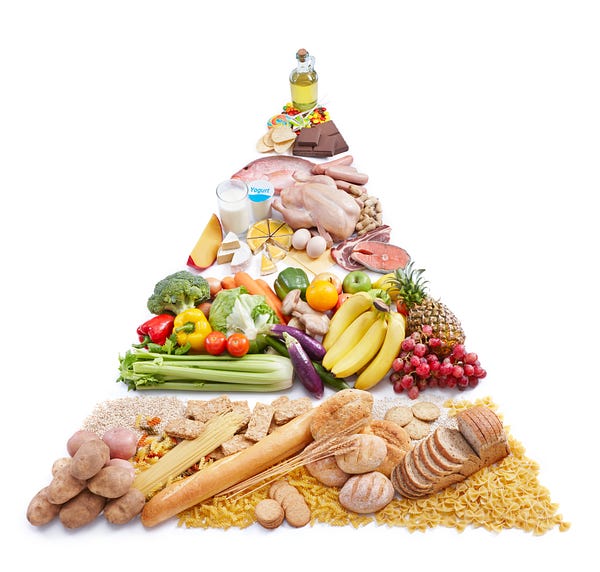

    Thus began the biggest public health experiment in history. Over the next few decades, the U.S. government spent many millions of dollars in a campaign to convince Americans to cut back on fat, culminating in the creation of the original Food Guide Pyramid. Published in 1992, the Pyramid advised us to eat all types of fat sparingly, and instead load up on grain products — up to eleven servings a day! The food industry joined this campaign with a vengeance, realizing that they could replace the fat in their standard products with cheaper refined carbohydrates, label them as health food, and sell them at a premium price. Since then, food aisles have overflowed with packaged products like fat-free cookies, low-fat salad dressings, reduced-fat peanut butter, and countless other variations. At the same time, high-fat natural foods like nuts, olive oil, avocado, and cheese were given a bad reputation. Today, a typical dairy section might have fifty kinds of low-fat and nonfat yogurt (almost all highly sweetened), but try finding the plain, whole-milk variety. Until recently, sugar was even promoted as a good way to displace fat from the diet, and sugary beverages were touted as fat-free.

    Unfortunately, this experiment didn’t turn out well. In the 1960s, Americans ate more than 40 percent of calories as fat. Today, fat intake approaches the government-recommended limit of 30 percent, but rates of obesity have skyrocketed. These opposite trends are probably not coincidental.

    With enthusiasm for the low-fat diet reaching a crescendo in the 1990s, the government launched the world’s largest clinical diet trial as part of the Women’s Health Initiative (WHI). At a total of cost of $700 million, the WHI randomly assigned about fifty thousand postmenopausal women throughout the United States to a low-fat diet or a control group for eight years. However, the study had a fundamental flaw, with a clear bias in favor of the low-fat diet built into the design. Women in that group received intensive nutritional and lifestyle support — not only to reduce dietary fat, but also to increase vegetables, fruit, grains, and fiber — including eighteen group counseling sessions and an individual session during the first year alone. Thereafter, they had quarterly maintenance sessions and optional monthly peer group meetings. In striking contrast, women in the control group received only written educational materials. Considering the dramatically different amounts of attention paid to the two groups, you’d expect the low-fat group to fare much better than the control group. And yet, the results show anything

    The main results of the WHI trial were released in 2006, generating a media firestorm. Women in the low-fat group lost a maximum of only 5 pounds compared to the control group, and this small difference decreased to 1 pound by the end of the study. Furthermore, there was no reduction in rates of cancer, diabetes, or heart disease. From any perspective, this was a resounding failure for the low-fat diet.

    Many smaller but better-designed studies, in which all participants received similar intensity of treatment, have since been conducted. This way, the effects of different diets can be compared directly, in a fair and meaningful way. Several systematic reviews of such studies (called meta-analysis) have been published, and the results are sobering. Low-fat diets produced less weight loss than higher-fat diets, including Mediterranean and low carbohydrate — raising the possibility that the most widely recommended method for four decades to reduce calorie intake has done more harm than good.


    Graham

    Why Dietitians, Doctors STILL dish up bad diet advice.

    Ever wondered why dietitians and doctors often dish up bad dietary advice? Check out South Africa’s official dietary guidelines. The guidelines closely follow the US dietary guidelines that are due to be updated in December 2015 – guidelines that have proved to be unscientific from the start. SA’s guidelines have featured prominently in the Health Professions Council of SA hearing against Cape Town University emeritus professor Tim Noakes that reconvenes in February 2016. One of the guidelines’ authors, retired Northwest University nutrition professor Este Vorster, gave expert testimony against Noakes and conceded under cross-examination that the guidelines are “vague sound bites”.

    Here is a shortened version of a blog by US physician Dr Michael Eades in which he dissects the process by which governments develop dietary guidelines and why they are so unscientific in nature (for a link to the full version, scroll below). Eades, a world authority in low-carb, high-fat (LCHF) eating, calls the guidelines ‘a stab at being scientific, but in the end, a sorry hash of special interest infighting’. That applies as much in SA as the US. – Marika Sboros

    More on this story here.

    Eddie

    On the reception and detection of pseudo-profound bullshit!

    Although bullshit is common in everyday life and has attracted attention from philosophers, its reception (critical or ingenuous) has not, to our knowledge, been subject to empirical investigation. Here we focus on pseudo-profound bullshit, which consists of seemingly impressive assertions that are presented as true and meaningful but are actually vacuous. We presented participants with bullshit statements consisting of buzzwords randomly organized into statements with syntactic structure but no discernible meaning (e.g., “Wholeness quiets infinite phenomena”). Across multiple studies, the propensity to judge bullshit statements as profound was associated with a variety of conceptually relevant variables (e.g., intuitive cognitive style, supernatural belief).

    Parallel associations were less evident among profundity judgments for more conventionally profound (e.g., “A wet person does not fear the rain”) or mundane (e.g., “Newborn babies require constant attention”) statements. These results support the idea that some people are more receptive to this type of bullshit and that detecting it is not merely a matter of indiscriminate skepticism but rather a discernment of deceptive vagueness in otherwise impressive sounding claims.

    Our results also suggest that a bias toward accepting statements as true may be an important component of pseudo-profound bullshit receptivity. Keywords: bullshit, bullshit detection, dual-process theories, analytic thinking, supernatural beliefs, religiosity, conspiratorial ideation, complementary and alternative medicine.


    Please note! this blog is a bullshit free zone

    More here.

    Eddie

    Cheesy Sausage and Basil Stuffed Chicken Breasts


    Chicken ... is a favourite in our house, and I suspect with many readers. No matter what day of the week, if chicken is on the menu, we enjoy it! This lovely low carb and gluten free recipe idea from Carolyn serves four, but obviously amend it to suit your requirements.
      
    Ingredients:
    4 chicken breasts
    2 tbsp (kosher) salt
    1 cup shredded mozzarella cheese
    1/2 cup cooked, crumbled sausage
    2 tbsp fresh basil, minced
    2 Tbsp. Double (heavy) cream
    1 Tbsp. fresh lemon juice
    2 garlic cloves, minced
    salt & pepper to taste
    3 tbsp mayonnaise
    1/4 cup sliced almonds
    1 tbsp olive oil
    1 cup tomatoes, coarsely chopped and seeded

    Method:
    1. To brine the chicken, fill a large bowl halfway with water and add the (kosher) salt. Stir until most of the salt has dissolved. Add chicken breasts and refrigerate for one hour (don’t let it sit too much longer, the chicken will get really salty).

    2. Preheat the oven to 425 degrees F. In a medium bowl, combine the shredded cheese, sausage, basil, cream, lemon juice, garlic, and salt and pepper to taste.

    3. Remove each breast from the brine and pat dry with paper towels. Cut a pocket in the thickest part of each breast. Stuff with cheese/sausage mixture and seal using a toothpick to help keep the slit closed (I found I had to use two toothpicks per breast). Transfer the stuffed breasts to a 9×13 inch baking dish.

    4. Spread mayonnaise evenly over the tops and sides of the prepared breasts, then sprinkle with sliced almonds, salt and pepper.

    5. Toss the tomatoes with the olive oil, 1/2 teaspoon of salt, and pepper to taste. Arrange the tomatoes in the baking dish in and around the chicken. Bake until sliced almonds are light golden brown and chicken is cooked through (165F in thickest part of breast).

    Serves 4. Each serving has 5 g of carbs (including the tomatoes).


    read more about basil here


    See original recipe idea here

    I hope you enjoy this recipe suggestion. We try and bring a wide variety, but not all recipes will suit all. Any food allergies, or underlying health issues must always be taken into account. If you are a diabetic and not sure how certain foods may affect your blood sugars, test is best, i.e. use your meter.

    All the best Jan