Eddie
Please check out our website www.lowcarbdiabetic.co.uk We created and maintain this site without any help from anyone else. In doing so, we do not receive direct or indirect funding from anyone. We do not accept money or favours to manipulate the evidence in any way. Please visit our Low Carb food and recipe blog www.lowcarbdietsandrecipes.blogspot.com
Total Pageviews
Thursday, 20 April 2017
For a delicious lower carb meal why not take ...
... some Roast Chicken
see information here
add some roasted buttered cauliflower
see recipe here
some punchy buttered spring greens
see recipe here
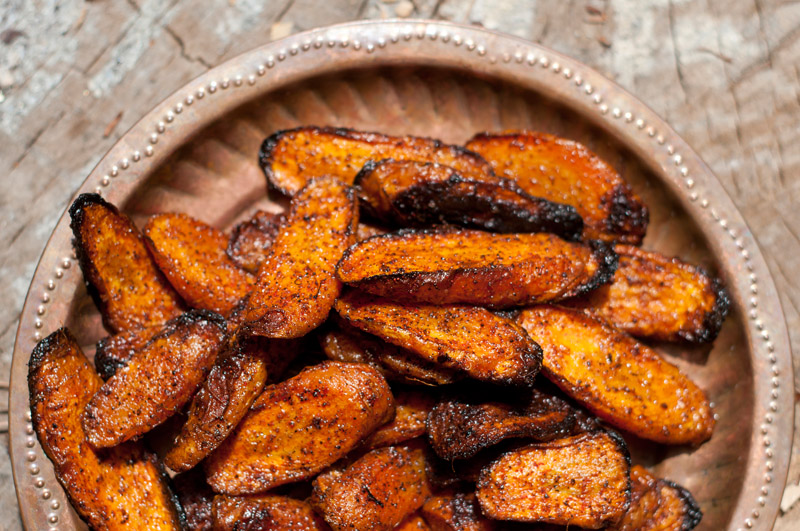
and perhaps some red roasted carrots
see more here
to follow, a slice of lemon yogurt cheesecake
see more about this low carb dessert here
wouldn't it then be nice to relax and let the butler do the washing up!
All the best Jan
Wednesday, 19 April 2017
Should you take statins? Two guidelines offer different answers
(CNN)When it comes to using statins to prevent a first heart attack or stroke, one leading US guideline recommends the drugs to 9 million more people than the other, according to a study published today in the Journal of the American Medical Association.
This leaves experts debating over who should get these cholesterol-lowering drugs when it comes to 40- to 75-year-olds with no history of cardiovascular problems.
"There's generally confusion on who should be getting statins," said Michael Pencina, one of the study's authors and a professor of biostatistics and bioinformatics at the Duke Clinical Research Institute. "I don't think we have the perfect guideline yet."
The first recommendation -- put out in 2013 by the American College of Cardiology and the American Heart Association -- covers 26.4 million Americans, the study estimated. This recommendation is based partly on a 10-year risk of stroke or heart disease, which can be plugged into a risk calculator. People over 40 with at least a 7.5% risk of these conditions are included in the guidelines.
The US Preventive Services Task Force (USPSTF), however, released its own recommendation last year. Those who stand to benefit most from preventive statins, they said, have at least one other risk factor -- such as hypertension, diabetes or smoking -- in addition to a 10% risk on the same calculator. These guidelines cover a more conservative 17.1 million Americans.
"That's a major change," said Pencina.
Over one in five Americans between the ages of 40 and 75 already take a statin to prevent an initial heart attack or stroke, the study estimated. Following either of the guidelines consistently would add millions to that list, and the ACC/AHA recommendation in particular would more than double it.
Pencina said that much of the difference -- 9.3 million people -- includes those under 60 and those with diabetes. Some of these people may have a low 10-year risk, he said, but a relatively high 30-year risk.
The guidelines "highlight many, many important similarities much more than it highlights some small differences," said Dr. Don Lloyd-Jones, a spokesperson for the AHA and a professor of preventive medicine at Northwestern University Feinberg School of Medicine.
"Both guidelines start with the same concepts," he said. "The difference is how they look at the evidence."
USPSTF chair Dr. Kirsten Bibbins-Domingo agrees.
"While there are some variations among the major guidelines on when to use statins, all of the guidelines recognize the important role that these medications can play in preventing heart attacks and strokes," she said.
Pencina's study was funded by the Duke Clinical Research Institute. However, several of the study's authors reported receiving separate grants and fees from the ACC, the AHA and various pharmaceutical companies. A number of these companies manufacture statins and other lipid-lowering drugs.
The study does not estimate what the effects of either recommendation would be -- such as how many heart attacks or strokes would be prevented, or what the harms and costs would be.
But some health experts have criticized both recommendations for inflating the benefits, which they say could push doctors to over-prescribe the drugs, leading to minimal rewards, a hefty price tag and potential side effects.
"People have a very exaggerated idea of the benefits," said Dr. Rita Redberg, a professor of medicine at University of California, San Francisco and the editor-in-chief of the journal JAMA Internal Medicine.
Numbers game
Critics of the guidelines say that most people who take statins for primary prevention -- meaning, to prevent a first stroke or heart attack -- don't actually benefit from it, but they could be exposed to side effects such as an increased risk of diabetes, muscle pain, cognitive problems and fatigue.
This is different from secondary prevention -- the use of statins to prevent heart attacks and strokes in people who have already had one. Redberg said the evidence for this is much stronger.
Out of 100 people taking primary preventive statins for five years, "the best estimates are that one or two people will avoid a heart attack, and none will live longer, by taking statins," Redberg said.
To prevent just one death from any cause, 250 people would need to take statins for one to six years, according to the USPSTF's analysis.
Some studies have found no overall mortality benefit for using statins preventatively in at-risk groups. Other research has taken aim at the risk calculator itself, saying that it overestimates the likelihood of heart disease in real life.
"We've seen a number of groups in which (the risk calculator) performs extremely well," said the Heart Association's Lloyd-Jones.
Lloyd-Jones said that the current risk estimator was "a huge step forward" in that it accounts for women and African Americans, who have often been overlooked in large-scale health surveys. The 7.5% threshold used by the AHA is based heavily on clinical trial data, he said.
"These risk scores were never intended to be perfect," Lloyd-Jones said. "They're there to start a conversation, not to write a prescription."
Company ties
Beyond the data, some health experts have questioned the industry forces behind these studies.
A number of experts who worked on the ACC/AHA guidelines had financial links to drug companies, which they disclosed publicly. No conflicts of interests were reported by the authors of the USPSTF guidelines, but nearly all of the trials they included in their analysis were sponsored by industry, according to Redberg, who stressed this point in a January editorial in the journal she oversees.
"The ACC did not follow its own conflict of interest guidelines," she said.
Studies funded by the pharmaceutical industry tend to find drugs to be more effective than independently funded studies, according to a Cochrane review published in February. Redberg also said that some raw data on statins have not been publicly released, and the data on side effects can be scattered and inconsistent.
"If you don't ask about muscle weakness in a study, you're not going to report it," she said.
Pencina said that if all experts with industry ties were ruled out, guideline committees might have a hard time finding the most qualified minds. He added that many studies would be difficult to fund without money from pharmaceutical companies.
"We have the scientific freedom to do whatever we think is necessary," he said. "I don't have reasons to doubt the quality of the data that these studies are providing."
But Redberg said that there are plenty of experts without conflicts of interest, which is important to keep in mind when considering top-selling drugs like statins.
"It's billions of dollars here," she said. "You can't ignore that."
The market for statins extends far beyond just the United States, experts say, and some countries have their own guidelines, as well.
For example, a leading UK organization, the National Institute for Health and Care Excellence, lowered its 10-year risk threshold from 20% to 10% in 2014, making statins more widely available in an effort to combat heart disease.
The AHA's Lloyd-Jones agreed that knowing where research and guidelines come from is important. He said that panels like ACC/AHA rigorously vet anyone who serves on the panel.
"The purpose of the ACC/AHA, the purpose of USPSTF is not to create a healthy pharmaceutical industry. It's to create better care for our patients," Lloyd-Jones said.
Lloyd-Jones said that for the upcoming 2018 ACC/AHA panel, there would be "no conflicts allowed, period."
He added, "Having been a member of the guidelines panel in 2013 ... the data are so overwhelming that it would've been hard for us to come to any other conclusion."
Starting a conversation
Because Redberg has been outspoken against the wide use of statins for primary prevention, she said she regularly receives emails from people who are "miserable" taking statins. She also recalled a fellow physician who forgot to take his pills on a business trip. The doctor realized he had been developing memory issues, she said, "and suddenly, everything was clear."
But Redberg, Lloyd-Jones and other health experts do agree on one thing: No pill should replace a healthy diet, exercise and avoiding smoking.
"The sooner you start to try to prevent (heart disease) ... the more effective you'll be at reducing that risk," Lloyd-Jones said, adding that for some people, safe and effective medications could be part of that plan.
Still, these guidelines are not sweeping rules that patients must follow, he said; they are a way for people to start a conversation with their doctors.
"Since heart attacks and strokes are by far our leading cause of death and disability, I'm not sure there are much more important things you'd want to talk to your primary care doctor about," Lloyd-Jones said.
Graham
Low Carb High Fat For Healthy Aging, by Birgitta Höglund ... featuring a Raspberry Mousse Recipe
No matter what the time of year the LCHF food template can fit your lifestyle so well. You may be younger, you may be older! Our grandchildren are 'low carbers', not to the extent of myself and Eddie, but sweets and treats are kept to a minimum and eating whole fresh food is the order of the day ... and they thrive on it!
There are so many lovely recipes to enjoy. For instance, this low carb recipe idea is from Swedish chef Birgitta Höglund, pictured here.
She has also featured on Diet Doctor site and has a popular low carb/Paleo recipe blog with more delicious recipes. Birgitta has also found time to publish some LCHF and Paleo recipe books, which can make ideal presents - or you could even treat yourself - especially as Amazon have a special offer on one at present ... more of that below!
Here is her LCHF Raspberry Mousse recipe
Makes 6–8 servings
2 sheets of gelatin (or about 1 1/2 teaspoons powdered gelatin)
1 1/4 cups (300 ml) raspberries
2 large eggs
sweetener equivalent to 1 tablespoon honey
3/4 cup + 2 tablespoons (200 ml) heavy (double) cream
1 teaspoon lemon juice
This recipe also features in Birgitta's book 'LCHF Cooking for Healthy Aging', which contains over 70 easy-to-prepare nutritious recipes to help make you feel as good as possible ...
This was "Birgitta's first cookbook, and was written along with Dr Annika Dahlqvist, the founder of the LCHF-movement in Sweden. She worked as a Geriatric and Diabetes Doctor and has helped many patients to a better health"
Please note Amazon currently has a good offer on Birgitta's cook book. The kindle edition is 90% off, now only 2.49USD. You can find more details here
Please note we have no commercial interest in promoting Birgitta or her book, we do so because we like her recipes, and find that they fit so well with our Low Carb Higher (Healthy) Fat Lifestyle.
All the best Jan
Tuesday, 18 April 2017
Pan-fried scallops with crisp pancetta, watercress & lemon crème fraîche
Have you an anniversary, special birthday ... or some other special occasion coming up soon? Then why not consider having this sumptuous dish as a most special starter course. It's pan-fried scallops with pancetta and watercress, I'm sure you will enjoy it ... and it only has 1.9g carb per serving.
Serves Two
1 tbsp extra virgin olive oil
½ tsp Dijon mustard
1 tsp white wine vinegar
25g crème fraîche
1 lemon, zested and juiced
25g fresh watercress, leaves picked and thick stalks discarded
40g diced pancetta
6 fresh scallops
Method:
1. In a large bowl, whisk together the olive oil, mustard and vinegar and season with black pepper.
2. In a separate bowl, mix the crème fraîche with a little lemon juice. Set aside. Divide the watercress between each plate and drizzle with the dressing.
3. Heat a dry frying pan until hot. Add the pancetta and fry for 2 minutes until it begins to release some fat, then add the scallops and fry for 30 seconds to 1 minute on each side, until opaque and just cooked through. Add a little lemon juice to the pan.
4. Place 3 scallops on each plate of watercress, spooning over the pancetta and pan juices. Serve with the lemon crème fraîche and garnish with the zest.
Each serving provides:
1.9g carbohydrate 0.5g fibre 15.2g protein 16.0g fat
See the original Sainsbury recipe here
Did you know, that watercress with its deep green leaves, and crisp, paler stems, is related to mustard and is one of the strongest-tasting salad leaves available. It has a pungent, slightly bitter, peppery flavour and is highly nutritious, containing significant amounts of iron, calcium, vitamins A, C and E.
Monday, 17 April 2017
Type 2 Diabetes: Changing the Paradigm From Management to Reversal
Results from the first 70 days of the Virta Clinic trial suggest the historic dietary approach to management of type 2 diabetes has been all wrong.
Type 2 diabetes (T2D) has long been viewed as a chronic condition that can be managed but is inevitably progressive.1 While clinicians may be increasingly more aware that T2D can be reversed, most think it is only possible through drastic means like bariatric surgery. With the recent findings from our ongoing clinical trial, which add to the existing literature, medicine may be on the cusp of a major paradigm shift for the treatment of T2D: from management to reversal without the use of surgery.
The published results highlight the first 70 days of an ongoing 2-year clinical trial collaboration between Virta Health and Indiana University Health, in which 262 patients with T2D were enrolled in the Virta Clinic.2 The clinic combines online education for behavior change, biometric feedback, peer support and an individualized nutritional approach that promotes nutritional ketosis. After 70 days and greater than 90% retention, mean weight loss was 7.2% and the mean glycated hemoglobin (A1C) reduction was 1%, with 56% of patients achieving an A1C below 6.5%.
It is extremely important to note that this reduction in A1C was achieved while medications were reduced. At baseline, 89% of the patients were taking one or more diabetes medications, and at 70 days 58% of patients had either reduced or completely eliminated their medications. This is unlike treatment strategies aimed to lower A1C in the past. For example, in the ACCORD trial,3, where A1C levels were lowered with aggressive medication use, the most aggressively treated patients had worse outcomes. Specifically, the intensive glycemic control group who were prescribed more medications, which often included insulin with multiple oral agents, had significantly more weight gain, more episodes of severe hypoglycemia, and greater mortality than the standard group.
Many were led to conclude from the ACCORD trial that strictly lowering glucose may actually be detrimental. However, it may be that how glucose is lowered is a critical consideration. In the Virta 70-day trial, there were no serious adverse events and no episodes of serious symptomatic hypoglycemic events requiring medical intervention.
The concept of reversing T2D by non-surgical means is relatively new, but is gaining attention in both the scientific literature and popular press.4,5 So, what does reversal of T2D actually mean? It means that patients who previously were on medications to control elevated blood glucose now maintain blood glucose below the diabetes threshold despite reducing or eliminating the need for hypoglycemic medications. This is exactly the opposite of what was thought to be the inescapable progression of a disease that puts patients at high risk for so many complications, including cardiovascular disease, blindness, renal failure, and amputations.
A major reason that the concept of management to slow progression of T2D has prevailed for so long is the standard nutritional recommendations, which focus dietary macronutrient intake on carbohydrate. Basic physiology dictates that carbohydrate ingestion causes blood glucose to rise, particularly in the face of the insulin resistance that underlies T2D. In fact, the most recent edition of the Nutrition Therapy Recommendations for the Management of Adults With Diabetes6 from the American Diabetes Association states that “total amount of carbohydrate eaten is the primary predictor of glycemic response.” This makes basic science sense, and the practical response would be to decrease dietary carbohydrates if the goal is to decrease blood glucose. This approach has been shown to be effective in improving glycemic control while reducing or eliminating medications in prior smaller studies.7-9
In addition to adjusting dietary carbohydrate to each patient’s level of insulin resistance, patients need individualized support and medical management.The Virta Clinic specializes in being able to provide the personalized treatment needed on a personalized schedule. While barriers exist to convenient and accessible care in a brick-and-mortar clinic, the Virta Clinic is able to overcome these by providing a full medical specialty clinic online. Each patient receives a health coach who guides patients through appropriate nutrition changes while considering lifestyle, cultural, and financial barriers. Specialty-trained physician supervision for each patient ensures that medications are decreased safely and efficiently
Ultimately, our current trial will add to the compelling evidence that:
1. Diabetes can be reversed while reducing medication and without risk, cost, or side effects of bariatric surgery and
2. Reversal can happen in a large percentage of patients, not only in outliers.
At the very least, our results beg the question: has the medical profession been approaching the dietary management in T2D all wrong? I firmly believe the dialogue has to change to let patients know that reversal is possible. By not doing so, we are complicit in the continued staggering rise of this disease.
With the increasing cost of health care, including $1 of every $3 in Medicare going to the treatment of T2D and its comorbidities, we have to look for solutions. In doing so, we must be willing to acknowledge that there have been past shortcomings in both dietary recommendations and treatment goals. Our patients deserve the opportunity to gain control of their health. They want more than just another prescription or procedure. To help them, we need to change the dialogue. We need to talk about reversal and provide the knowledge and support to achieve it.
http://www.ajmc.com/
Graham
Chicken, chorizo and sweet potato hash
This colourful and nutritious dish could be enjoyed for breakfast, lunch, or even supper ... in fact sometimes, especially weekends or holiday times, it is nice to enjoy it for 'brunch' ... as it's perfect for a more lazy or relaxed start to the day!
Ingredients:
Serves Four
½ of a 225g spicy chorizo ring, cut into thin circles
330g chicken breasts, sliced
½ tbsp vegetable oil
1 onion, finely diced
600g diced butternut squash and sweet potato
1 tsp smoked paprika
270g vittoria tomatoes
200g baby spinach
4 eggs, poached, to serve
14g parsley, leaves picked and roughly chopped
Method:
1. Preheat the oven to 200°C/fan 180°C/gas mark 6. Heat a wide, high-sided pan that can go in the oven and also has a lid. Cook the chorizo slices for 3-4 minutes, until golden and releasing oil, then transfer to a bowl with a slotted spoon. Add the chicken slices and cook for 4-5 minutes, until golden all over. Remove from the pan and set aside with the chorizo.
2. Heat the oil in the pan, then add the onion and cook for 3-4 minutes. Add the butternut squash and sweet potato and paprika and cook for 10-12 minutes, adding a splash of water if the pan starts to dry out. Cook with the lid on, stirring regularly, until softened and lightly golden. Add the chicken and chorizo pieces, then top with the tomatoes and cook in the oven for 12-15 minutes, until the tomatoes are beginning to soften.
3. Meanwhile, wilt the spinach in a large pan with a splash of water and drain over a sieve. Serve the hash with the poached eggs and spinach and garnish with the parsley.
Each serving provides:
18.3g carbohydrate 6.5g fibre 37.5g protein 20.5g fat
See original Sainsbury recipe idea here
3. Meanwhile, wilt the spinach in a large pan with a splash of water and drain over a sieve. Serve the hash with the poached eggs and spinach and garnish with the parsley.
Each serving provides:
18.3g carbohydrate 6.5g fibre 37.5g protein 20.5g fat
See original Sainsbury recipe idea here
Oh my, I could sit and eat this right now!
How about you?
How about you?
image from google
All the best Jan
Sunday, 16 April 2017
Saturday, 15 April 2017
LP - Muddy Waters [Live Session]
Another new to me band I only came across this week. Happy Easter folks enjoy your extended weekend. Graham
Martin Garrix & Dua Lipa - Scared To Be Lonely (Acoustic)
Don't the weeks fly by Saturday here again already, first up is a newly released song
Graham
Graham
B.B. King and Tracy Chapman -The Thrill Is Gone
Saturday night again and music night on this blog. One of my all-time favourite artists was the legendary B.B.King. Arguably his best known track is The Thrill Is Gone. He performed this song with many big name stars, this is a new version to me, and a stunner I reckon, enjoy. Eddie
Green Pepper Tortilla : Great For Lunch !
To some this is Tortilla to others it is Spanish omelette which is the English name for a traditional dish from Spanish cuisine called tortilla española or tortilla de patatas. (These dishes are unrelated to the maize or wheat tortilla of Mexico and neighbouring countries).
The Spanish tortilla (tortilla de patatas) is widely eaten in Spain and some Spanish-speaking countries, and there are numerous regional variations.
The tortilla may be eaten hot or cold; it is commonly served as a tapa or picnic dish throughout Spain. As a tapa, it may be cut into bite-size pieces and served on cocktail sticks; a large tortilla can be cut into triangular portions (pincho de tortilla).
The first reference to the tortilla in Spanish is found in a Navarrese document, in 1817.
According to legend, during the siege of Bilbao, General Tomás de Zumalacárregui created the "tortilla de patatas" as an easy, fast and nutritious dish to satisfy the scarcities of the Carlist army.
However there are many tales about this dish ... including a very large tortilla which was made by twelve chefs in Vitoria, Spain in 2014, claiming to be a record ... it was 5 m (16 ft) in diameter.
There are many additions you can add to the base ingredients including green peppers like this recipe suggestion below.
Ingredients:
Serves Four
6-8tbsp olive oil
1 onion, peeled and finely sliced
5 green peppers, seeded and finely chopped
2 garlic cloves, finely sliced
6 eggs
salt
pepper
Method:
1 onion, peeled and finely sliced
5 green peppers, seeded and finely chopped
2 garlic cloves, finely sliced
6 eggs
salt
pepper
Method:
Heat the olive oil in a pan and add the onion. Cook very slowly with a pinch of salt until deep gold – about 30 minutes – stirring every so often. Drain, reserving the oil, then pour the oil back into the pan and add the peppers and garlic. Fry for 5-10 minutes until completely tender.
Whisk together the eggs and a little seasoning in a large bowl, then add the onions, peppers and garlic, again reserving the oil.
Put a large frying pan on the heat and add the reserved oil. When nearly smoking, carefully pour in the tortilla mixture, shaking the pan slightly to ensure it is evenly spread. Reduce the heat and cook for about five minutes until the underside is golden-brown.
Place a similar-sized plate on top of the pan and carefully, using a cloth, invert the tortilla on to the plate.
Add a little extra oil into the pan then slide the tortilla back into the pan and cook for another 3-5 minutes, until the centre is set. Slide back on to the plate and leave to cool for a few minutes.
Each serving contains:
Carbohydrate 8.4g Protein 13g Fibre 4.4g Fat 29.4g
Friday, 14 April 2017
The effect of statins on average survival in randomised trials, an analysis of end point postponement
Abstract
Objective To estimate the average postponement of death in statin trials.
Setting A systematic literature review of all statin trials that presented all-cause survival curves for treated and untreated.
Intervention Statin treatment compared to placebo.
Primary outcome measures The average postponement of death as represented by the area between the survival curves.
Results 6 studies for primary prevention and 5 for secondary prevention with a follow-up between 2.0 and 6.1 years were identified. Death was postponed between −5 and 19 days in primary prevention trials and between −10 and 27 days in secondary prevention trials. The median postponement of death for primary and secondary prevention trials were 3.2 and 4.1 days, respectively.
Conclusions Statin treatment results in a surprisingly small average gain in overall survival within the trials’ running time. For patients whose life expectancy is limited or who have adverse effects of treatment, withholding statin therapy should be considered.
Full text here: http://bmjopen.bmj.com/
Graham
Ten Reasons You're Always Tired (and what you can do about it)
Franziska Spritzler RD CDE writes:
"Feeling tired on a regular basis is extremely common. In fact, about one-third of healthy teens, adults and older individuals report feeling sleepy or fatigued.
Fatigue is a common symptom of several conditions and serious diseases, but in most cases it is caused by simple lifestyle factors.
Fortunately, these are most often easy things to fix.
This article lists 10 potential reasons why you’re always tired and provides recommendations for ways to get your energy back.
1. Consuming Too Many Refined Carbs
Summary: Consuming refined carbs can lead to unstable blood sugar levels, which can make you feel tired. Instead, choose whole foods that minimally impact your blood sugar.
2. Living a Sedentary Lifestyle
Summary: Being sedentary can lead to fatigue in healthy people, as well as those with chronic fatigue syndrome or other health problems. Being more active can help boost energy levels.
3. Not Getting Enough High-Quality Sleep
Summary: Inadequate or poor-quality sleep is a common cause of fatigue. Getting several hours of uninterrupted sleep allows your body and brain to recharge, allowing you to feel energized during the day.
4. Food Sensitivities
Summary: Food intolerances can cause fatigue or low energy levels. Following a food elimination diet may help determine which foods you are sensitive to.
5. Not Eating Enough Calories
Summary: Your body requires a minimum number of calories in order to perform daily functions. Consuming too few calories can lead to fatigue and make it difficult to meet nutrient needs.
6. Sleeping at the Wrong Time
Summary: Sleeping during the day can upset your body’s natural rhythm and lead to fatigue. Try to sleep at night or retrain your body clock.
7. Not Getting Enough Protein
Summary: Consuming adequate protein is important for keeping your metabolism up and preventing fatigue. Include a good protein source at every meal.
8. Inadequate Hydration
Summary: Even mild dehydration may reduce energy levels and alertness. Make sure to drink enough to replace fluid lost during the day.
9. Relying on Energy Drinks
Summary: Energy drinks contain caffeine and other ingredients that can provide a temporary energy boost, but often lead to rebound fatigue.
10. High Stress Levels
Summary: Excessive stress can cause fatigue and reduce your quality of life. Practicing stress-reduction techniques may help improve your energy levels.
The Bottom Line
There are many possible causes for feeling chronically tired. It’s important to rule out medical conditions first, as fatigue often accompanies illness.
However, feeling overly tired may be related to what you eat and drink, how much activity you get or the way you manage stress.
The good news is that making a few lifestyle changes may very well improve your energy levels and overall quality of life."
The above is only a snippet of Franziska's article.
You can read it in full, with related links, here
All the best Jan
Thursday, 13 April 2017
Hap-pea Easter !
Yes for some peas can be too 'carby' approx. 10g carb per 1/2 cup serving, compared to a 1 cup serving of chopped Broccoli, which has approx. 6 g. However, I do think peas can make a welcome addition at the dining table, especially if you have a large family gathering ... and with Easter getting nearer I thought this fun recipe idea a good one to share, it certainly adds a twist to 'pigs in blankets' this Easter!
Ingredients:
Four servings
200g frozen peas
1 teaspoon vegetable oil
1 small onion, chopped
12 cherry tomatoes
a few leaves of fresh mint
150 g breadcrumbs (use a low carb bread)
12 rashers of streaky bacon
Preparation:
Preheat oven.
Sauté the onions in oil until soft.
Add the tomatoes and stir for 2 minutes, then repeat with the peas for a further 2 minutes.
Season to taste, take off the heat and mix in a blender.
Drop in the mint leaves and fold in the breadcrumbs.
Form the pea mixture into 12 sausage shapes and wrap each one in bacon.
Place in the oven and bake for 15 minutes.
Can be served with an Easter dinner or as a snack, side or with a mixed salad.
See original recipe idea here
Some readers may prefer a more traditional 'pigs in blanket' recipe (sausages wrapped in bacon) and it is much lower in carbs than the one above which uses peas and breadcrumbs.
Sausages wrapped in bacon ... is a great favourite of ours and so simple to prepare and cook that sausages cooked this way often appear in our house as a breakfast, lunch, or supper time snack. Perfect too for family gatherings and parties, the grandchildren love them.
The recipe below is what I call 'The Professional - sausages wrapped in bacon' and it comes courtesy of Nick Nairn at BBC food recipes. I think my way tastes as good and works perfectly for an extra quick prepare and bake … but whichever method you use (in fact you may already have your own) if you follow a LCHF lifestyle then make sure you start with a low carb sausage i.e. always check the carb content on the label, one that has about 97% meat content.
Serves 1 - 2
Ingredients
5 rashers of streaky bacon
5 chipolata sausages
1 tbsp oil
Preparation and method
1. Preheat the oven to 200C/400F/Gas 6.
2. Lay the bacon out on a chopping board. Place one sausage at the end of each rasher of bacon and roll the sausage up in the bacon.
3.Heat the oil in an ovenproof frying pan, add the bacon-wrapped sausages and fry for a few minutes until lightly browned all over.
4.Transfer to the oven for 8-10 minutes, or until golden-brown and completely cooked through. To serve, place the sausages into a serving bowl with cocktail stick.
Original idea is here
Jan’s Way is:
1. As Above
2. As above - but also once sausage is wrapped, cut each sausage in half or third in order to make bite sized.
3. Place on very lightly oiled/greased ovenproof plate/dish (important that it has upturned edge) and transfer to oven for 20 - 25 minutes turning half way through cooking. Make sure the sausage wraps are cooked through before allowing to cool slightly and serve ….. delicious.
A variety of recipe ideas are in this blog, and not all may be suitable for you, if you may have any food allergies, or underlying health issues please take these into account. If you are a diabetic and not sure how certain foods may affect your blood sugars, test is best, i.e. use your meter.
All the best Jan
Wednesday, 12 April 2017
How Many Pills Are Too Many?
The point of prescription drugs is to help us get or feel well. Yet so many Americans take multiple medications that doctors are being encouraged to pause before prescribing and think about “deprescribing” as well.
The idea of dropping unnecessary medications started cropping up in the medical literature a decade ago. In recent years, evidence has mounted about the dangers of taking multiple, perhaps unnecessary, medications.
Deprescribing will work only if patients also get involved in the process. Only they can report adverse effects that they sense but that are not apparent to clinicians. And they need to be comfortable weaning from or dropping drugs that they are accustomed to and believe to be helpful.
Yet an increasing number of Americans — typically older ones with multiple chronic conditions — are taking drugs and supplements they don’t need, or so many of them that those substances are interacting with one another in harmful ways. Studies show that some patients can improve their health with fewer drugs.
Though many prescription drugs are highly valuable, taking them can also be dangerous, particularly taking a lot of them at once. The vast majority of higher-quality studies summarized in a systematic review on polypharmacy — the taking of multiple medications — found an association with a bad health event, like a fall, hospitalization or death.
About one-third of adverse events in hospitalizations include a drug-related harm, leading to longer hospital stays and greater expense. The Institute of Medicine estimated that there are 400,000 preventable adverse drug events in hospitals each year, costing $3.5 billion. One-fifth of patients discharged from the hospital have a drug-related complication after returning home, many of which are preventable.
Not every adverse drug event means a patient has been prescribed an unnecessary and harmful drug. But older patients are at greater risk because they tend to have more chronic conditions and take a multiplicity of medications for them. Two-thirds of Medicare beneficiaries have two or more chronic conditions, and almost half take five or more medications. Over a year, almost 20 percent take 10 or more drugs or supplements.
Some are unnecessary. At least one in five older patients are on an inappropriate medication — one that they can do without or that can be switched to a different, safer drug. One study found that 44 percent of frail, older patients were prescribed at least one drug unnecessarily. A study of over 200,000 older veterans with diabetes found that over half were candidates for dropping a blood pressure or blood sugar control medication. Some studies cite even higher numbers — 60 percent of older Americans may be on a drug they don’t need.
Though studies have found a correlation between the number of drugs a patient takes and the risk of an adverse event, the problem may not be the number of drugs, but the wrong ones. Some medications have been identified as more likely to contribute to adverse events, particularly for older patients.
For example, if you’re taking psychotropic agents, such as benzodiazepines or sleep-aid drugs, you may be at increased risk of falling and cognitive impairment. Diuretics and antihypertensives have also been identified as potentially problematic. (The Agency for Healthcare Research and Quality has published a longer list of drugs that are potentially inappropriate for older patients. Note that, even if they are problematic for some patients, they are appropriate for many.)
Relative to the mountain of evidence on the effects of taking prescription drugs, there are very few clinical trials on the effects of not taking them.
Among them is one randomized trial that found that careful evaluation and weekly management of medications taken by older patients reduced unnecessary or inappropriate drug use. Adverse drug reactions fell by 35 percent. Medication use was reduced, along with the risk of falls among a group of older, community-dwelling patients through a program that included a review of medications.
Several other studies also found that withdrawal of psychotropic medications reduced falls. A comprehensive review of deprescribing studies found that some approaches to it can reduce the risk of death. Another recent randomized trial found that frail and older people could drop an average of two drugs from a 10-drug regimen with no adverse effects.
So why isn’t deprescribing more widely considered? According to a systematic review of research on the question, some physicians are not aware that they’re prescribing inappropriately. Other doctors may have difficulty identifying which drugs are inappropriate, in part because of lack of evidence. In other cases, doctors believe that adverse effects of drug interactions are outweighed by benefits.
Physicians also report that some patients resist changing medications, fearing that alternatives — including lifestyle changes — will not be as effective. Other studies found that many doctors are concerned about liability if something should go wrong or worry they’ll fail to meet performance benchmarks — like the proportion of diabetic patients with adequate blood sugar control.
To reduce the chances of problems with medications, experts advocate that physicians more routinely review the medication regimens of their patients, particularly those with many prescriptions. At hospital discharge — when patients leave the hospital, often on more medications than when they entered it — is a particularly important time for such a review. Including nurses and pharmacists in the process can reduce the burden on physicians and the risks to patients.
Patients can play an important role as well. Walid Gellad, a physician in the Veterans Health Administration and at the University of Pittsburgh School of Medicine, advises that at every visit with a doctor, “patients should ask, ‘Are there any medications that I am on that I don’t need anymore, or that I could try going without?’ ”
Patients, of course, should not try weaning themselves off medication without consulting their doctors — but deprescribing is an idea for all parties to keep in mind.
Graham
40% of American adults will develop type 2 diabetes in their lifetime.
In the US, 2 in every 5 adults are expected to develop type 2 diabetes throughout their lifetime. This is according to a new study published in The Lancet Diabetes & Endocrinology.
Diabetes prevalence has increased in recent years. In 2010, 25.8 million Americans had the condition, and this rose to 29.1 million by 2012.
However, the research team - led by Dr. Edward Gregg, chief of the Epidemiology and Statistics Branch, Division of Diabetes Translation at the Centers for Disease Control and Prevention (CDC) - notes that the mortality rate in US populations with and without diabetes has declined.
"The simultaneous changes in incidence and mortality warrant re-examination of lifetime risk of diabetes and life-years lost due to diabetes" say the researchers.
The team found that for an average 20-year-old American, the lifetime risk of developing type 2 diabetes increased from 20% in 1985-89 to 40% in 2000-11 for men, while lifetime risk for women increased from 27% to 39%.
Hispanic men and women, and non-Hispanic black women saw the highest increase; they now have a 50% chance of developing type 2 diabetes in their lifetime.
The researchers found that the years of life lost to diabetes reduced during the 26-year study period. The number of life-years lost for men diagnosed with diabetes at age 40 declined from 7.7 years in 1990-99 to 5.8 years in 2000-11, while the number of life-years lost for women reduced from 8.7 years to 6.8 years.
Diabetes prevalence has increased in recent years. In 2010, 25.8 million Americans had the condition, and this rose to 29.1 million by 2012.
However, the research team - led by Dr. Edward Gregg, chief of the Epidemiology and Statistics Branch, Division of Diabetes Translation at the Centers for Disease Control and Prevention (CDC) - notes that the mortality rate in US populations with and without diabetes has declined.
"The simultaneous changes in incidence and mortality warrant re-examination of lifetime risk of diabetes and life-years lost due to diabetes" say the researchers.
Hispanic men and women, and non-Hispanic black women saw the highest increase; they now have a 50% chance of developing type 2 diabetes in their lifetime.
The researchers found that the years of life lost to diabetes reduced during the 26-year study period. The number of life-years lost for men diagnosed with diabetes at age 40 declined from 7.7 years in 1990-99 to 5.8 years in 2000-11, while the number of life-years lost for women reduced from 8.7 years to 6.8 years.
More on this article here.
Eddie
Almond-rolled goats' cheese with watercress
This starter (or light lunch) recipe is from Simon Rimmer who became known for the innovative vegetarian food of his Manchester restaurant Greens, which opened in 1990. He says, with watercress coming into season in April, its peppery flavour will work in contrast to the rich goats’ cheese.
As with any recipe shown on this blog, please bear in mind, that not all may be suitable for you. If you may have any food allergies, or underlying health issues these must always be taken into account. If you are a diabetic and not sure how certain foods may affect your blood sugars, test is best, i.e. use your meter.
Ingredients:
Ingredients:
Serves Four
For the beetroot
250g/10½oz fresh beetroot
salt and freshly ground black pepper
75ml/3fl oz olive oil
1 tbsp. balsamic vinegar
For the goats' cheese
For the beetroot
250g/10½oz fresh beetroot
salt and freshly ground black pepper
75ml/3fl oz olive oil
1 tbsp. balsamic vinegar
For the goats' cheese
oil, for deep frying
200g/7oz soft goats cheese
75g/3oz plain flour
200g/7oz flaked almonds
For the dressing
200g/7oz fresh basil leaves
75g/3oz smoked almonds
1 garlic clove
100g/3½oz Parmesan cheese, or similar vegetarian hard cheese
100ml/3½fl oz olive oil
small handful watercress, to serve
Method:
200g/7oz soft goats cheese
75g/3oz plain flour
200g/7oz flaked almonds
For the dressing
200g/7oz fresh basil leaves
75g/3oz smoked almonds
1 garlic clove
100g/3½oz Parmesan cheese, or similar vegetarian hard cheese
100ml/3½fl oz olive oil
small handful watercress, to serve
Method:
1. Preheat the oven to 200C/400F/Gas 6.
2. For the beetroot, cut the beetroot into cubes and place into a bowl. Season well with salt and freshly ground black pepper and drizzle with the olive oil.
3. Place onto a baking tray and transfer to the oven to roast for 30-40 minutes, or until soft.
4. Remove from the oven and place into a bowl. Drizzle with the balsamic vinegar and stir to coat.
5. For the goats' cheese, half-fill a deep, heavy-bottomed pan with the oil and heat until a breadcrumb sizzles and turns brown when dropped into it. (CAUTION: hot oil can be dangerous. Do not leave unattended.)
6. Cut the goats' cheese into eight equal pieces and roll up into balls. Dredge the balls in the flour.
7. Spread the flaked almonds out on a plate and roll the cheese balls in the flaked almonds, pressing them into the cheese, to completely coat (don't worry if the almond flakes break up a bit).
8. Carefully add the cheese balls to the hot oil and deep-fry for about 30 seconds - one minute, or until golden-brown all over. Carefully remove with a slotted spoon and drain onto kitchen paper.
9.For the dressing, place the basil, smoked almonds, garlic, parmesan and olive oil into a food processor and blend until smooth.
10. To serve, place a small amount of watercress onto each plate and place a piece of deep fried goats' cheese on top. Place a few cubes of beetroot around the cheese and spoon over a little of the dressing.
Original recipe here
10. To serve, place a small amount of watercress onto each plate and place a piece of deep fried goats' cheese on top. Place a few cubes of beetroot around the cheese and spoon over a little of the dressing.
Original recipe here
All the best Jan
Tuesday, 11 April 2017
Posh Roasted Vegetables : The Mary Berry Way
Mary Berry is one of the best-known and respected cookery writers and broadcasters in the UK.
She describes her cooking style as 'family' - practical, healthy recipes that incorporate lots of fresh ingredients.
This vegetarian recipe suggestion from her is a different take on a classic ratatouille with the vegetables arranged prettily in a dish, and you serve it in slices.
For this recipe you will need a 25cm/10in shallow, round ovenproof dish (such as a ceramic quiche dish).
Ingredients:
Serves Four
2 medium aubergines (egg-plant), cut into 1cm/½in slices
2 red peppers, de-seeded and cut into 1cm/½in slices
500g/1lb 2oz courgettes (zucchini), cut into 1cm/½in slices
6 tbsp olive oil
2 red onions, finely chopped
2 garlic cloves, crushed
500g/1lb 2oz tomato passata
1 tsp caster sugar (or perhaps equivalent sweetener)
1 small bunch fresh basil, roughly chopped
50g/1¾oz gruyère cheese, grated
2–3 large tomatoes, each cut into 8 wedges
2 tsp chopped fresh thyme leaves
salt and freshly ground black pepper
Method:
1. Preheat the oven to 220C/200C fan/Gas 7 and line two large roasting tins with baking paper.
2. Put a mixture of the aubergines, red peppers and courgettes in each roasting tin in a single layer. Drizzle over 4 tablespoons of the oil and season well with salt and black pepper. Roast for about 25 minutes, or until lightly browned and just soft. Set aside to cool and reduce the oven temperature to 200C/180C Fan/Gas 6.
3. Meanwhile, heat the remaining oil in a large saucepan. Add the onions and fry over a medium-high heat for 2–3 minutes, or until soft. Add the garlic and fry for a further minute. Tip in the passata and season with the sugar and some salt and black pepper. Bring to the boil, then cover with a lid. Lower the heat and simmer for about 10 minutes, or until the onions are soft and the sauce has reduced and thickened. Add the basil.
4. Spoon half the sauce into the base of the ovenproof dish and arrange half the roasted vegetables in a spiral pattern on top, then season with salt and ground black pepper and sprinkle over the cheese. Spread the rest of the tomato sauce over the cheese, and then arrange the remaining vegetables and the tomato wedges in a spiral pattern on top.
5. Sprinkle with the thyme, cover with foil and bake in the oven for 25 minutes or until bubbling. Cut into slices to serve.
Recipe Tips:
If covered and chilled in the fridge, this dish can be made up to 8 hours ahead. Simply reheat in the oven at 160C/140C Fan/Gas 3 for 25 minutes.
Not all gruyère is vegetarian, so it's best to check the label if that is a priority for you.
Roasting the vegetables in advance drives off any excess liquid so the final dish isn’t soggy.
This dish works well on its own as a vegetarian main, or could be served with meat or fish as a side dish.
Original recipe is here
Wouldn't this look nice on your Easter Dining table!
Bon Appetit
All the best Jan
Monday, 10 April 2017
Some stroke survivors disregard doctors' advice on medications
Some stroke survivors say they are disregarding general practitioners' (GP) advice on secondary prevention medications, such as statins, with some patients stopping their medication completely, according to a study of an online stroke forum led by Queen Mary University of London (QMUL).
The researchers say that GPs should make patients aware of multiple treatment options and the potential need for several changes in medication, and actively follow-up with their patients when providing advice or changing treatment due to side effects, such as aches and tiredness.
Three in 10 stroke survivors will go on to have a further stroke, which causes greater disability or even death. Secondary prevention medications, including antihypertensives, blood thinning and lipid lowering agents, such as statins, can reduce risk of stroke recurrence by up to 75 per cent. However, patients' persistence with these medications decreases over time because a minority of people experience side effects, which are mild in most cases.
The analysis, involving University of Cambridge and published in the journal Family Practice, was performed on the archives from TalkStroke, a UK online forum hosted by the Stroke Association. The forum is used by patients with stroke and their carers, and generated 21,596 posts during 2004-2011. 50 participants were found to discuss GP advice on prevention medications in 43 discussion threads.
The side effects of secondary prevention medications, and statins in particular, were found to cause anxiety and resentment in some patients, and their concerns were not always addressed by GPs. While most advice was followed, GP advice was sometimes disregarded when related to dealing with statin side effects. Some patients even stopped the medication after just one or two attempts by the GP to adjust statin treatment.
Lead Researcher and NIHR Academic Clinical Lecturer Dr Anna De Simoni from QMUL said: "I am a GP and these findings have changed my own practice when I start patients on statins and when they consult about side effects.
"Given the variety of cholesterol lowering treatments and possible approaches to manage statin intolerant patients, I was surprised to see that patients seemingly lost hope after only one or two contacts with their GPs, unaware that a better regimen may have been available or that their GP would have been able to carry out another change in medication.
"In my practice I am now advising patients that multiple treatment options are available, and several attempts may be required before a suitable treatment is found. It is also important to pro-actively invite them to seek help if side effects are experienced and don't improve."
The researchers say that advising patients to persist with statins side effects to prevent further strokes could result in the patient stopping the medication. Following up patients (even by telephone) after any change in treatment or advice could ensure issues are resolved.
The study found that forum participants did not make incorrect or misleading statements, but instead provided appropriate peer support, underlined the central role of GPs in managing medications, and their shared-decision making with clinicians was improved by online peer-to-peer discussions. The forum's 'super-users', who had a high number of connections with other participants, played an important role in this.
Considering the ease, low-cost and advantages of obtaining patient information from online fora, the researchers say that more attention could be paid into studying health issues using data from online communities. This could allow collection of data from participants who might not take part in traditional research studies and from a wider geographical location.
The study is limited in that the data are old (2004-2011), the identity of users could not be verified, the forum was moderated, and older patients might be under-represented.
Full text of study here: https://academic.oup.com/
Graham
Subscribe to:
Posts (Atom)