Total Pageviews

Monday, 15 December 2014

The Sugar Lobby Threatens Organizations, Buries Science on Health Effects !

We know that consuming too much sugar can lead to heart disease, obesity, diabetes and a raft of other maladies. Yet sugar is the most popular food additive in the United States, added with abandon to nearly every processed food we eat. So why don’t American food policies governing added sugar reflect that?

Enter Big Sugar. According to a new report from the Center for Science and Democracy at the Union of Concerned Scientists, industry groups representing companies that sell sweeteners, like the Sugar Association and the Corn Refiners Association (for makers of high fructose corn syrup) have poured millions of dollars into countering science that indicates negative health consequences of eating their products.

For example, when a University of Southern California study from 2013 found that the actual high fructose corn syrup content in sodas “varied significantly” from the sugar content disclosed on soda labels, the Corn Refiners Association considered paying for its own counter research. A consultant suggested that the counter research should only be published if the results aligned with their goal of disputing the USC study:

In the U.K., a draft report released Friday by the Scientific Advisory Committee on Nutrition urged people to cut their sugar intake by half the recommended limit, from 10 percent to 5 percent, to avoid obesity and type 2 diabetes.

Added sugar was responsible for roughly 13 percent of the average American's diet between 2005 and 2010, according to the Centers for Disease Control and Prevention.

Perhaps in a few decades Americans will look back on the nation’s casual overconsumption of sugar much the same way we look back on the glory days of the cigarette, when everyone smoked without a care in the world, and Big Tobacco worked in the background.

Full article here.


Eddie

Sunday, 14 December 2014

Carbsane says Insulin Doesn't Regulate Fat Mass !

From her latest post titled "Insulin Doesn't Regulate Fat Mass"


"A little over three years ago, I wrote: What Does Insulin Regulate Anyway? Yesterday a blast from that past showed up in comments on the "new" Gary Taubes YouTube video, and I'm not talking about the racist and misogynistic troll Razwell either (who is now sullying the internet using the name of a Strongman competitor). I use the quotation marks around new, because Taubes has been delivering some version of this talk for seven years now, and the most significant changes have been to delete (and delete and delete some more) the most blatantly erroneous parts (some of which yours truly has had a hand in exposing). It's amazing, really, that he still manages to fill an hour with the pared down version. It's even more amazing that there's anyone left buying his schtick, but ... well ... I'll just leave it at that."

Is she right? who knows, her rants against low carbers sends me to sleep before I get half way through reading her long winded sermons, but let's look at a few facts.

1. She has stated publicly on more than one occasion she is morbidly obese and has been most of her adult life.

2. She stated on the infamous Jimmy Moore podcast  she lost a huge amount of weight when she went on a low carb diet.

3. Diabetes forums are full of stories re. type two diabetics who go onto injected insulin and big weight gain is a common complaint.

4. Type one diabetics very often report before diagnosis (i.e low natural insulin available) a huge weight loss is a very common factor, without any change in diet.

Now, I haven't got the time to rewrite the Gettysburg address three times a week, but I do know this. What we eat has a huge impact on plasma insulin levels. For most, the more carbs equals more insulin, the more insulin the greater the chance of gaining excess weight. The greater the chance of becoming insulin resistant. 

Carbsane done very well on a low carb diet, but as stated on the JM podcast the "cheats" by way of chocolates came back into her diet. So, she could not maintain a low carb lifestyle, that's cool with me, I can understand that. What I will never understand, is why she has dedicated her life to rubbishing a lifestyle, that has been the salvation of millions of diabetics and over weight people around the world.

Am I missing something here, can anyone put me straight?

Eddie

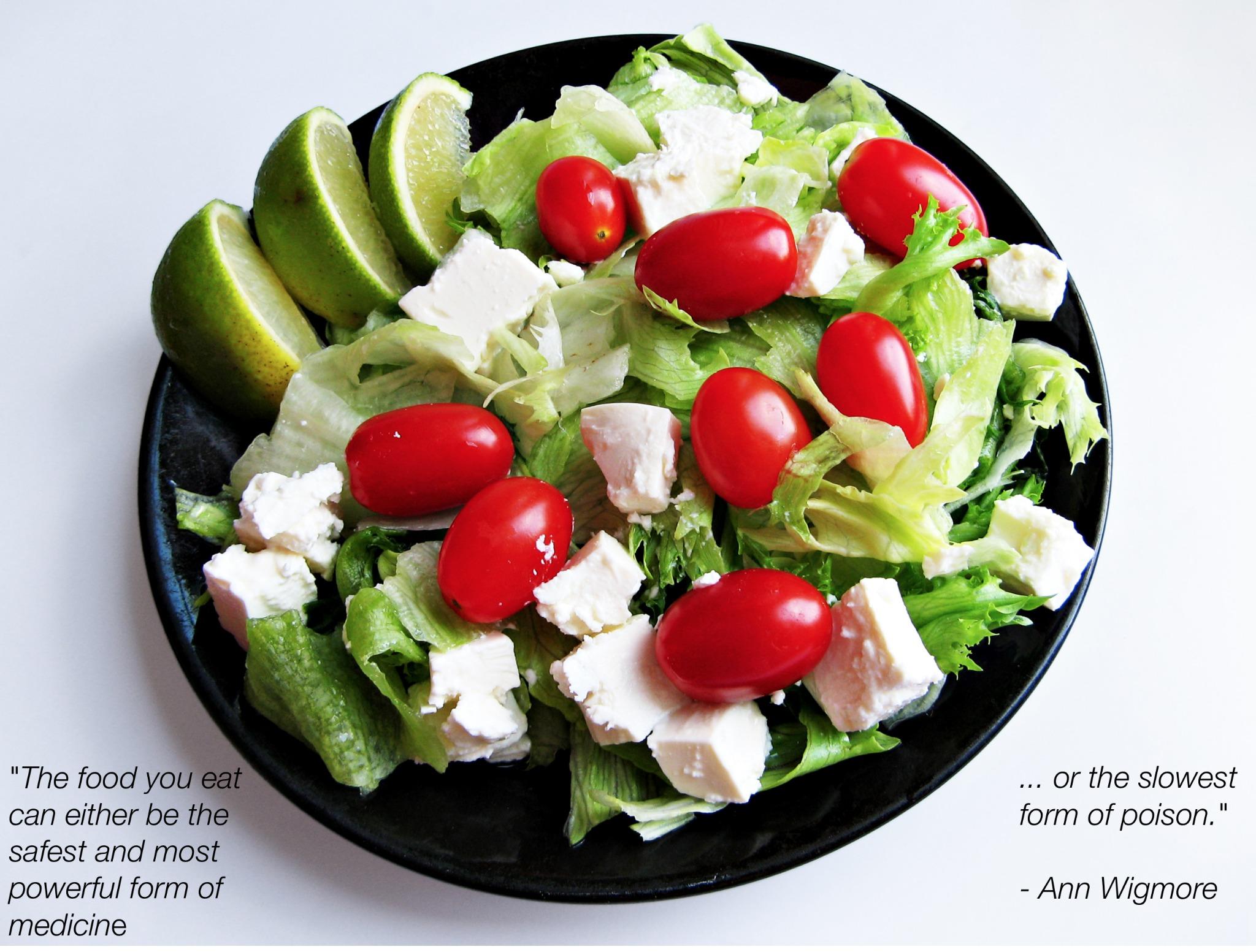
Foods you eat can either be safest most powerful form of medicine, or slowest form of poison.

   Embedded image permalink

Low carb antis have been around longer than you think !

Embedded image permalink

Mackerel and Greek style salad.


Food does not get any-more healthier than this. We are often told a Mediterranean diet is good for us. We are told oily fish is heart protective. We know low carb and staying away from highly processed carbohydrate foods is the way to control type two diabetes and lose weight. Anyone want to give me an argument? And to think some say low carb is not sustainable long term, and many dietitians say this is bad. 

Smoked lemon and parsley mackerel, feta cheese, red peppers, green peppers, cucumber, tomato, black olives, red onion, and asparagus tips drizzled with extra virgin olive oil.

The right food, the less meds. You know it makes sense, why fight it !

Eddie

Massive Attack - Live With Me

Graham

Saturday, 13 December 2014

Sarah McLachlan - World On Fire


Graham

Loreena McKennitt Never-ending Road

The never ending road also known as the low carb promoters lament. OK I jest, but some will know what I mean. Believe it or not when driving around in the morning I often listen to Woman's Hour BBC radio 4 10 am week days, this is where I first heard of Loreena McKennitt. This was a long time ago before she was famous. In those days she could not get a record deal and was doing pretty much the whole deal herself. Times have changed and she has made many great recordings, I have all of them I think. Check out this track and the fantastic photographs, many taken in the UK. Eddie

Vivaldi concerto with Itzhak Perlman and Isaac Stern

Saturday night is music night on this blog. So much complete and utter junk is called art these days, the Turner Prize is a prime example, this is art. Enjoy. Eddie

www.ditchthecarbs.com a fantastic resource for low carbers !


Low Carb Chocolate Mint Truffles

There are many myths surrounding a low carb lifestyle. The food is boring, restrictive, not satisfying and difficult to keep to. Nothing could be further from the truth. It is true if you live on take-a-ways and processed foods out of a box, you are going to have to change your ways. That being said, the 'ditch the carbs' site proves beyond all doubt, a huge range of low carb food and recipes are available to the low carber who wants to make some effort to turn their health around, especially people who are over weight or diabetics.

I urge you to check out Libby's site here for the recipe and full instructions for the above low carb masterpiece. As you will see great meals and treats can be made with minimal cooking skills and no need for expensive tools and equipment, as Libby has said regarding the above recipe "Get your children to make them" What are you waiting for? Get over to Libby's site today.

A very special thank you to Libby for allowing us to use her work on our sites. We are totally non-commercial and never copy others work without a link to the source of information. Our aim is to help others to control their weight and diabetes with a whole food nil/minimal medication regime. Chasing ever increasing blood glucose numbers with ever more medication does not work, this has been proved.

Eddie

Ex-Vegan Bob Harper Talks Paleo-Style Low-Carb Weight Loss Diet And Animal Protein Power

Famed as The Biggest Loser trainer with longevity, Bob Harper is candid about what it takes for weight loss success. But just what does the king of fitness eat each day away from the cameras? Harper visited the Rachael Ray show on Dec. 9 to reveal the skinny.
Bob emphasizes the importance of eating enough protein and fat to curb cravings. By automating your meals, you can avoid temptations such as the aroma of fresh-fried doughnuts wafting from that bakery, says Bob.
“I am a creature of habit; I eat the same thing over and over again,” he says of following his own advice.
For a Paleo-style breakfast, Harper recommends protein, non-starchy carbohydrates in the form of vegetables and fat. His version of that meal consists of scrambled eggs with zucchini and salsa.
“I like to roast my vegetables a lot, that’s what I did with my zucchini. I hit protein, fat and carbs every single time I eat,” says Bob.
More on this story here.

Killing Your Sex Drive One Bite at a Time: 5 Surprising Ways Sugar Lowers Libido

By 

Our hormones don’t operate in a vacuum. They are interconnected, performing like a big musical symphony. When one becomes out of balance, others are sure to follow.

Sex hormones, healthy blood sugar, and insulin balance are more intimately linked than you might think. Spikes in insulin, and the insulin resistance that results from eating too much sugar and flour, can lead to acne and irregular menstrual cycles and can make women lose hair where they want it and grow hair where they don’t. Men with blood sugar imbalances have trouble getting or maintaining erections and often get “man boobs.”

We’ve somehow thought these and other symptoms become normal as we age. They don’t. Libido-crashing mood disorders in women and men reaching for a “little blue pill” do not need to be a part of the aging process.

Bad habits such as drinking and smoking, exposure to environmental toxins, and being chronically stressed all diminish sex hormone balance.

Yet, the biggest culprit that continually knocks sex hormones out of balance is sugar in all its many forms (including all flour products), which raises insulin and creates a hormonal domino effect. Once you understand how insulin can impact other hormones, you begin to connect the dots about how excessive sugar can wreck your sex life.


Link to full article here.

Eddie

Friday, 12 December 2014

The British Dietetic Association a complete unprofessional shambles?

A blast from the past, but nothing has changed. The BDA dietary information for type two diabetics has been "Under review" for a long time as can be seen here. When they finally make up their minds what constitutes sound information, will they be recommending a low carb high good quality fats diet to diabetics? I reckon there is more chance of Father Christmas turning up at my house.

From the British Dietetic Association website re a recent meeting of members.

"Carbohydrate Advice in Type 2 Diabetes – The ‘Hot Potato’ of ! ! Dietetics?"

"The latest UK nutrition guidelines for diabetes suggest an individualised approach to carbohydrate in Type 2 diabetes, and focus on calorie reduction and weight management in those who need to lose weight. But where does that leave more detailed or specific advice about carbohydrate for individual patients? What should Dietitians be advising their patients? Preliminary research into the current practice of UK Dietitians in this topical field will be reported, together with the current evidence-base. Participants in this session will have the opportunity to review their own practice in this area and contribute to the ongoing debate."

As you may have noticed dietitians have featured heavily in my posts so far this year. Diabetes care in the UK is abysmal for the majority of diabetics. The NHS audited annual statistics are grim, and they are grim year after year, no progress is being made, in fact the situation is getting worse. One of the keystones of good diabetes control is diet. And the experts on diet in the UK are the dietitians who are members of the British Dietetic Association. Recently they held a meeting and produced a survey conducted on some of their members opinions, some of the results you see below. As you can see their methods seem to be very unsound, in fact I don't see any method at all. Clearly UK dietitians have no general guidelines or policy agreement to work to whatsoever. To the question How frequently do you advise carbohydrate restriction with type two diabetes on oral medication, sometimes was the answer for the most. The question what would be a realistic carbohydrate restriction in type two diabetes 30 to 50% of energy was the overwhelming reply.

The $64000 question is, how could any successful organisation operate with absolutely no overall common policy ? no corporate structure or method of operation whatsoever. Remember we are not talking about flogging nuts and bolts here, we are talking about the health of millions of people. Is it any wonder the UK diabetes statistics are so grim, when the very organisation that should be leading the way to better health for so many, could not run a whelk stall. Until the BDA at the very least, issue some basic guidelines to their members and have some sort of common policy, regarding carbohydrate control or restriction, the carnage will go on. It is my opinion, the BDA is at the very least partly responsible for the early death of countless diabetics. Will it be ever thus ?


Click on graphs to enlarge


Source of information was here I am not surprised the BDA took the information down.

Eddie

Thought for the day. Youngest ever Nobel prize winner (17) and much deserved.

Embedded image permalink

Please check out our other sites.

The new low carb diabetic forum is here
the only dedicated to low carb control of diabetes and weight forum in the UK


The low carb diabetic website
Primarily for type two diabetics newly diagnosed or long term non insulin users looking to gain better control of blood glucose numbers.


A less controversial blog for all aspects of diabetes and the low carb lifestyle.
The low carb diabetic recipe blog


A very basic guide to get you started on a low carb lifestyle. All recipes easy to make with no specialist skills or equipment needed.


Follow the low carb diabetic on twitter here

Low carb and gluten free spring rolls


I made these while we were away, so I unfortunately couldn’t add a lot of exotic flavours or fresh herbs as very little was available where we were, but I cannot tell you how much my children loved these. So crunchy, tasty, healthy and full of vegetables. You could change the chicken to be shrimp or beef. Why not add lettuce, broccoli, sliced peppers, asparagus, coriander, mint, ginger, chilli, peanut sauce, cashews.

They are great as a dinner, snack, appetiser, school lunch boxes. Fill them with your favourite vegetables. You can also steam them or use salad ingredients inside and not even cook the rice papers, but personally, I like the crunchy texture of baked ones.

Serve with a salad, steamed vegetables, bok choy, dipping sauces, sprinkle with sesame seeds when the spring rolls come out of the oven. If you have time, make a double batch and that is school lunch sorted for tomorrow (and maybe the next day).

Wheat free, gluten free, low carb spring rolls.

Above photograph and text from the fantastic low carb food site 'Ditch the carbs' which can be found here. Who says great low carb food is not highly nutritious or boring? not me!

Why not hop over and take a look well worth your time.

All the best Jan

British Dietetic Association taking the piss again literally, no change there then !

From the BDA diets they do not recommend in their Christmas message.

Top of the list drinking your own urine. 

"What's it all about? Urine Therapy, or urotherapy, includes the drinking of one's own urine for cosmetic or medical/wellbeing purposes. Some claim that the urea component of urine can have an anti-cancer effect.

BDA Verdict: Literally, don't take the proverbial! Emergencies, only as Urine Therapy has no scientific evidence that it adds anything beneficial to the body and its safety has not been established. As for any anti-cancer claims made in favour of Urine Therapy, this is simply not backed up by scientific studies."


A close runner up to don't drink your own waste was the paleo diet.

"What's it all about? The Paleo diet (also known as the Paleolithic Diet, the Caveman diet and the Stone Age Diet) is a diet where only foods presumed to be available to Neanderthals in the prehistoric era are consumed and all other foods, such as dairy products, grains, sugar, legumes, 'processed' oils, salt, and others like alcohol or coffee are excluded.

BDA Verdict: Jurassic fad! A diet with fewer processed foods, less sugar and salt is actually a good idea, but unless for medical reason, there is absolutely no need to cut any food group out of your diet. In fact, by cutting out dairy completely from the diet, without very careful substitution, you could be in danger of compromising your bone health because of a lack of calcium. An unbalanced, time consuming, socially isolating diet, which this could easily be, is a sure-fire way to develop nutrient deficiencies, which can compromise health and your relationship with food."


Check out more complete dross from BDA spokesperson and consultant dietitian, Sian Porter here.

Promoting a low carb lifestyle can be a tough job, but the hardest gig of all, is keeping a straight face, when a dietitian that makes the late Pavarotti look anorexic, tells me a low carb diet will be bad for my health. Sian Porter is wheeled out on a regular basis in the UK. If this bloated blowhard is following the dietary information spouted by the BDA, could there be a better example of why the obesity and often linked type two diabetes epidemics are bankrupting healthcare systems across the world. 

Check out the first link below Sian is also on the payroll of a few black ops outfits. Check out the link to the NHS where Sian is pushing carbs big time.

Dietitian Sian Porter says: "Carbohydrates are such a broad category and people need to know that not all carbs are the same and it is the type and quantity of carbohydrate in our diet that is important. While we should reduce the amount of sugar in our diet, we should base our meals on starchy carbs. There is strong evidence that fibre, found in wholegrain versions of starchy carbs for example, is good for our health.”

It’s as if these people do not know starchy carbs turn to sugar, clearly Sian consumes lots of sugar.

Eddie


Hat tip to Spittin'chips blog that can be found here.

http://thelowcarbdiabetic.blogspot.co.uk/2013/12/sian-porter-bda-spokesperson-rd-is-fat.html

http://www.nhs.uk/Livewell/loseweight/Pages/the-truth-about-carbs.aspx

Thursday, 11 December 2014

Sugar is worse than salt for pushing up blood pressure, new research has found

Medical experts have hit back at new claims that sugar is worse for you than salt
Sugar is worse than salt for pushing up blood pressure, research has suggested.
Added sugars are more likely to have a greater role than salt in causing high blood pressure and heart disease, according to the study published on Thursday in the online journal Open Heart.
However, academics have claimed the research has been “over exaggerated” and is not based on any new evidence.
The authors of the study say the benefits of cutting salt intake to lower high blood pressure “are debatable” and claim dietary guidelines should be focused more on reducing sugar and less on salt.
They claim people who have a daily intake of more than 74 grams of high fructose corn syrup, a sweetener used in processed foods such as fruit-flavoured and fizzy drinks, have a 30 per cent higher risk of high blood pressure.
Of particular concern, they say, is that UK and US teens may be consuming added sugars up to 16 times the recommended limit.
Cardiovascular research scientist Dr James DiNicolantonio, at the Saint Luke’s Mid America Heart Institute, has published the paper, with Dr Sean C Lucan, of the Albert Einstein College of Medicine in New York.
In their paper, entitled The wrong white crystals: not salt but sugar as aetiological in hypertension and cardiometabolic disease, they say: "Sugar may be much more meaningfully related to blood pressure than sodium, as suggested by a greater magnitude of effect with dietary manipulation.
“Compelling evidence from basic science, population studies, and clinical trials implicates sugars, and particularly the monosaccharide fructose, as playing a major role in the development of hypertension [high blood pressure].
“Moreover, evidence suggests that sugars in general, and fructose in particular, may contribute to overall cardiovascular risk through a variety of mechanisms."
They claim that worldwide sugar-sweetened drinks consumption has been implicated in 180,000 deaths a year.
“Just as most dietary sodium does not come from the salt shaker, most dietary sugar does not come from the sugar bowl; reducing consumption of added sugars by limiting processed foods containing it, made by corporations, would be a good place to start," they add.
“The evidence is clear that even moderate doses of added sugar for short durations may cause substantial harm.”
However, Professor of Emeritus of Nutrition and Dietetics at King's College London, Tom Sanders said there is "no evidence" to support their findings.
“In my opinion the effects of added sugars are exaggerated in this article," he said.*
"Cutting salt intake and losing weight will lower blood pressure, but the evidence for a direct effect of added sugar is tenuous.
“Most of the salt in the diet comes from bread, processed meat, pickled foods and salt added during food preparation and at table. Salt intake has fallen in the UK as manufacturers have reduced the amount of salt added to food. This has also been accompanied by a fall in blood pressure.
“Added sugar intake is derived mainly from sugar-sweetened beverages, confectionery, cereal products, such as cakes and biscuits. The easiest way to reduce added sugar intake is to limit sugar-sweetened beverage and confectionery consumption. However, as far as I am aware there is no evidence to show that blood pressure is lowered when sugar-sweetened beverages are replaced by artificial sweeteners."
The article suggests limiting salt intake to between 3 to 6 grams a day but Gaynor Bussell, Dietitian and Public Health Nutritionist, said in the UK the recommended amount is double that.
She said: “The authors appear to have built an argument to support a particular view: that fructose is bad and salt may be ok. It is not based on original work, nor has the evidence presented been balanced to include all evidence on the causes of hypertension. Their stance does not have the backing of a broader evidence base.
“It needs to be stated that it is the whole diet that's important when addressing implications to health; it's not just sugar or salt that need addressing but also issues such as total calorie intake, fibre, fats and vitamin and mineral intake also. Excessive intake of any macro or even micronutrients are not conducive to health, which is why in the UK, for example, we advocate a limit of 6g salt a day certainly not 3g claimed to be advocated in this study and currently about 90g of total sugars a day."
Prof Francesco Cappuccio, Professor of Cardiovascular Medicine and Epidemiology at the University of Warwick, said he agreed that high-sugar diets may "substantially" contribute to heart disease but both salt and sugar intakes needed to be targeted.
"The emphasis on reducing sugar, and not salt, is disingenuous," he said.
"Both should be targeted at population level for an effective approach to cardiovascular prevention.
“The authors claim that ‘lowering sodium levels in processed foods could lead to an increase consumption of starches and sugars’. But there is absolutely no evidence to support this statement from a physiological or nutritional viewpoint. This shift in attention from salt to sugar is scientifically unnecessary and unsupported,
“We must stop this false argument about reducing either salt or sugar. Both must be reduced if we are to meet the UN targets of a reduction of cardiovascular disease of 25 per cent by 2025.”
In the report, the authors claim people whose dietary intake of added sugars accounts for up to a quarter of their total daily calories have almost triple the risk of heart disease than those who consume less than 10 per cent.However, Professor Susan Fairweather-Tait, of Mineral Metabolism at the University of East Anglia (UEA), said in 2010 research by the European Food Safety Authority (EFSA) concluded there was no evidence for an association between intake of sugars and blood pressure.
*"Professor Tom Sanders, has been given £4.5 million towards his research by sugar giant Tate & Lyle."
Graham

News Review From Harvard Medical School -- At Best, Type 1 Diabetes Doubles Death Risk

No matter how well they control their blood sugar, people with type 1 diabetes have at least twice the normal risk of early death, a new study finds. The study included 34,000 people with type 1 diabetes. They were compared with nearly 170,000 non-diabetics. Their average age was 36 when the study began. Researchers kept track of them for an average of 8 years. During the study, 8% of those with diabetes and 2.9% of non-diabetics died. About 2.7% of diabetics and 0.9% of the other group died of heart disease or stroke. Risk of death was even higher for diabetics with poor control of their blood sugar. Those with the highest average blood sugar were 8.5 times as likely to die as those without diabetes. Their heart-related death rates were 10.5 times as high. Diabetics with the lowest average blood sugar were 2.4 times as likely to die during the study as those without diabetes. They were 2.9 times as likely to die of heart disease or stroke. People with slightly higher average blood sugar were no more likely to die than those with the lowest levels. The New England Journal of Medicine published the study. HealthDay News wrote about it November 19. 

By Robert H. Shmerling, M.D. Harvard Medical School link here.

 
"No matter how well they control their blood sugar, people with type 1 diabetes have at least twice the normal risk of early death"

Like so many things in life, it's not what you do, it's how you do it. Ramming BG numbers down with medication to cover high carb meals is never going to work, and that is a proven fact.


Eddie

DCUK say "We're transparent and ethical. There are no surpises sic "

From the main site of diabetes.co.uk here.

If you believe that statement I recommend you seek psychiatric counselling. 

Eddie

DCUK Apply first Admin Disclaimer ever to sound information !

"Admin Disclaimer

For the most part, this post comprises anecdotal information. Many diabetics, not only on this forum, but all over the world, have found low carb to be the best way to control diabetes.

Before making any major changes to your diet, please consult your GP and/or dietician – there may be medical reasons as to why you are unable to follow a low carb diet.

Please also keep in mind that this diet isn’t suitable for everyone, and the guidelines in this thread are simply here to help you make more informed decisions regarding your food intake and the way you manage your blood glucose.

If you have Type 1 Diabetes: whilst there is not necessarily a medical reason that you cannot follow a low carb diet, please only do so after consulting with your GP and/or dietician. This is due to the fact that you may need to make changes to your insulin usage whilst low carbing."


Despite thousands upon thousands of highly misleading posts placed on the forum, many recommending dubious advice at best, and highly dangerous at worst, the admin issues it's first Admin disclaimer. The disclaimer was applied to the "Introduction to low carb for beginners" as posted on this blog yesterday.

The disclaimer stated " For the most part, this post comprises anecdotal information" that is not true the post contained lots of established medical fact. It also says " only do so after consulting with your GP and/or dietician" when they should know the majority of UK Doctors and dietitians do not recommend a low carb diet, countless forum members have stated this in the past. 

Within the last few weeks DCUK emailed all members a 30 day low carb meal plan, I posted a link to the PDF on various sites, stating it contained some great food ideas. Did DCUK issue a Admin disclaimer? with that message to all members including insulin users, of course not. 

It is my opinion the disclaimer is intended to dissuade people from low carbing it has a distinct 'many diabetics use low carb but don't try this at home folks' quality about it. It is also my opinion Rods post was one of the best posts ever placed on the DCUK forum. This post was at first locked and a negative comment added by Anna a forum mod and then the disclaimer applied. 

So, if the Admin is playing with a straight bat the disclaimer should be removed, if not then surely every post placed on the forum re. diet must also carry an Admin disclaimer.

Eddie


Wednesday, 10 December 2014

Insulin dosage for type 2 diabetes linked with increased death risk

In a report published today in the journal of Diabetes, Obesity and Metabolism, researchers from Cardiff University were also able to show a correlation between patients treated with a higher dosage of insulin and a raised risk of cancer development, heart attacks and stroke.
Researchers identified these trends by scrutinizing the  of 6,484 with type 2 diabetes extracted from the UK Clinical Practice Research Datalink (CPRD). Patients were on average aged 64 at the beginning of the study in 2000, and were followed for an average of 3 years from their first exposure to .
Given that the study was retrospective,  were unable to know the exact insulin dosage that each patient had received during their treatment. Researchers used a method of calculating insulin dose per day based on the quantity of insulin prescribed and patients' bodyweight.
According to the researchers, one way of reporting the study results is to divide the cohort in to four , defined by the dose of insulin received, ranging from below 0.5 units per kilogram of bodyweight per day, up to doses exceeding 1.5 units.
"When compared to patients who received doses of less than 0.5 units, our findings indicate that patients receiving doses of between 1 to 1.5 units and more than 1.5 units were associated with a much greater death rate over time," says Principal Investigator, Professor Craig Currie, from Cardiff University School of Medicine.
"An estimated 15% of patients taking a dose of between 1 and 1.5 units had a 40% increased risk of death compared with the under-0.5 unit group, and the 5% of patients receiving more than 1.5 units had a 75% increased risk of death when compared with the same group."
Professor Currie says that the reasons behind the findings are not entirely clear. In the paper, he does however cite a number of possible reasons as to why a link exists between the insulin dosage of people with type 2 diabetes and an increased risk of death and cancer.
The paper highlights previous studies which suggest that insulin has growth-promoting effects that could be to blame for an increased rate of tumour development and detection, while other investigations have linked higher insulin doses with harmful side-effects such as thickening of the arteries and severely irregular heart rhythms.
Keen that the significance of the findings should not be overstated, Professor Currie cautions:
"It's plausible that patients on higher doses of insulin had pre-existing illnesses before they started on insulin, which could account for the spike in instances of death and cancer.
"Retrospective observational studies can only convey possible associations with adverse events such as these. It is also important to note that these findings do not relate to type 1 diabetes. These patients are typically much younger and absolutely require insulin.
"What this study does show is a need for prospective randomized controlled trials to investigate the cause behind these patterns to provide conclusive evidence as to the real effect insulin is having on the thousands of patients who rely on glucose controlling medication."
Of the 6484 patients whose records were analysed, 1110 patient deaths were recorded, as were 352 first major cardiovascular events and 382 cases of newly diagnosed cancer.
Insulin is an injectable medication used to lower blood glucose levels in type 1 and type 2 diabetes, taken in tandem with other medications or as a single therapy. This study looked at patients with  who administered insulin as their only treatment for the condition.
But not to worry folks Giverny at DCUK reckons these warnings about high dosage insulin use in Type2 diabetics  is just scaremongering and dishing out potentially dangerous information.
Graham

Introduction to low-carb for beginners.

Learning that you have diabetes usually comes as a bit of a shock followed by confusion from often conflicting advice.  But don’t panic, it can be managed.  It does require a bit of a lifestyle change in terms of diet and discipline, but we can and will help you with that. We were all in the same boat once!

Introduction, and Why Low-Carb?

This page has been provided for those who are new to the forum or to the concept of low-carbing as a primary tool for managing diabetes.  Although it is aimed principally at Type 2 diabetics, Type 1s and others can also benefit significantly.  'Managing diabetes' means different things to different people, but ultimately the aim for T2s should be to get your blood sugar numbers into the same area as non-diabetics.  This means an HbA1c level of less than 42 mmol/mol (6.0% in the old measurement system).  (48 mmol/mol or 6.5% and above is regarded as diabetic, 42-47 mmol/mol as prediabetic).  For T1s the aim should be the lowest practicable levels concomitant with good control and avoidance of hypos in accordance with their consultant's guidance and personal life choices.

So the main priority is to get blood sugars under control.  This is essential to minimise the risk of developing unpleasant complications (including amputations, kidney failure and blindness) if the condition is left unattended and sustained high blood sugar levels are allowed to prevail.  

The chief symptom of diabetes is an elevated blood glucose level. Whilst some medications can help Type 2 diabetics to reduce blood glucose, far more significant a factor is a reduction of those foods in the diet which raise the levels in the first place. This is not just obvious sugars in sweets, chocolate, cakes, biscuits, breakfast cereals and so on but most carbohydrates as well. 

Carbohydrates metabolise quickly to sugar in the system (some take a little longer than others) and so for diabetics they act basically as if they were sugar.  So you need to cut out starchy carbs as much as possible, including bread, potatoes, pasta and rice - 'wholemeal' or so-called 'healthy' carbs included.  This may be contrary to medical profession guidance you have received to eat carbs with every meal – unfortunately this is fundamentally flawed advice rejected by most well-controlled T2s on here.

Low-carbing can therefore result in medications (including the amount of insulin required for T1s) being reduced.  Always consult with healthcare professionals on this.  In some cases (Type 2 diabetics only) medications can be avoided or eliminated altogether.  (It is a mistake to imagine that drugs alone will enable you to manage your diabetes successfully, so don't become complacent if you are on medication – it is assumed that for most people minimisation or elimination of medication is in itself a major objective). 

What does Low-Carb mean?

A low carb diet is not necessarily low in all carbohydrate foods, simply those which disrupt blood glucose and insulin levels. Generally, the diet includes the healthy natural and unprocessed foods similar to those eaten in populations where diabetes and heart disease are rarely found. 

So you can eat/drink:

Meat, fish, eggs, butter, cheese, plain Greek yoghurt and cream
Vegetarian protein such as tofu and TVP
Above-ground green vegetables, tomatoes, avocados, nuts as a good snack
Berry fruits in moderation (blueberries, raspberries, blackberries, strawberries)
Occasional small amounts of dark chocolate (85% cocoa or more)
Tea, coffee (try with cream instead of milk)
Plenty of water
Red wine, dry white wine, champagne, spirits in sensible amounts

And you should avoid:

Sugar - soft drinks, sweets, juice, sports drinks, chocolate, cakes, buns, pastries, ice cream, breakfast cereals. Preferably avoid sweeteners as well.
Starch - bread, pasta, rice, potatoes, chips, crisps, porridge, muesli, foods containing processed flour and so on. 'Wholegrain products' are just less bad. Moderate amounts of root vegetables (carrots, parsnips) may be OK (unless you’re eating extremely low carb).
Margarine - industrially imitated butter with unnaturally high content of Omega-6 fat. Has no health benefits, tastes bad. Statistically linked to asthma, allergies and other inflammatory diseases.
Fruit, especially tropical fruits which contain lots of sugar. Eat once in a while at most. Treat tropical fruit as a natural form of sweets.  The impact of apples and pears varies from person to person.
Beer - liquid bread.  Full of rapidly absorbed carbs.
Sweet white wine, cocktails with sugary mixers.

In broad terms, carbohydrates have a large impact on blood glucose levels, protein much less, and fats have little if any effect.

An effective low carb diet (or perhaps we should refer to it as a 'lifestyle') is one which allows a person to maintain, most of the time, a healthy blood glucose level. The amount of carbs it contains will vary between individuals, depending mainly on personal choice, pancreatic function and insulin resistance.  A possible range might be: 

Low carb (ketogenic) 0-50g carbohydrate per day 
Typical low carb 50-90g
Liberal low carb 90-130g
Moderate carb 130-170g
High carb 170g and more

For low carb foods aim for those that have less than 10g total carbohydrate (excluding fibre) per 100g, less than 5g if you can. Ignore the ‘of which sugar’ bit, that’s irrelevant to us. You will become an avid reader of food labels!  (And the MyFitnessPal app can scan them).  Also avoid low fat versions of food items – these often contain added sugar.

Some prefer to keep eating some carbs, because they want to and/or they can tolerate more; and some are less able to eat higher levels of fat. 

What about LCHF?

LCHF (Low carb high fat) is a variant of low-carbing which many diabetics successfully adopt.  When you reduce carbohydrates, you also reduce the calories that come with them.  To make up these calories you can replace them with a higher proportion of fats, such as those found in fatty meat, butter, cheese and cream.  LCHF is advocated by a Swedish dietican, Dr Andreas Eenfeldt, see www.dietdoctor.com/lchf

Testing

In order to learn what foods you can and cannot tolerate it is strongly recommended that you have a test meter (not usually prescribed for T2s).  With this you can measure your blood glucose levels before and after meals and see what ‘spikes’ you.  Again this may be contrary to professional advice you might receive which often regards testing as pointless.  But how else are you supposed to learn?  Many on here use the SD Codefree system (from Amazon etc or direct from the supplier Home Health UK) because the strips are the most cost-effective.

What might happen when you start to Low-carb?

The following does not happen to all who start a low carb eating regime, but some may experience one or more of these stages.

Days 1 to 3 - carb withdrawal and hunger. Eat lots of fibre and lots of fat.  Fat and fibre together produce a high degree of satiety.  Add flax seeds, as they are high in both fibre and healthy omega-3 fatty acids.  Salads with protein (tuna, chicken, etc.) and lots of olive oil dressing is another good bet.

Don’t go hungry! This isn’t like other diets where you can expect to go for long periods being hungry.  Eat every 3 hours if you want to, snack on low carb foods (such as cheese or nuts) as you want until the hunger goes.

Days 3 to 5 - the wall.  People often lose a lot of salt with the fluid in the first few days, and you have cut out the supply from junk food, so add some salt and/or a cup of hot water with a stock cube several times per day.  

Days 5 -14 - reward time. By the end of the first week you should start to reap the rewards of low-carb eating. This is the stage where many people begin to experience increased energy, better mental concentration, better sleep patterns, less compulsive eating, and few or no carb cravings. Some experience it as a “fog lifting” that they didn’t even know was there. 

Why doesn’t the NHS recommend Low-carb diets?

The NHS are obliged to advise on the basis of NICE guidelines.  These guidelines in turn are still based on the increasingly discredited view that dietary fat causes heart disease and dietary protein causes kidney damage, so without carbs there’d be nothing left to eat. Subsequent research has revealed that neither of these hypotheses is correct and that the finger of suspicion ought to be pointed at glucose, but changes to established mindsets are very slow to happen.  Nevertheless, there has been much recent positive publicity regarding low-carbing and the negative aspects of low fat regimes and the role of sugar.

Many diabetics have discovered for themselves the benefits of low-carbing, by the simple empirical process of testing their own blood sugars to determine what foods they can tolerate and what they can't (or for T1s which foods require the minimum of insulin dosage).

The figures below show the impacts of the NICE guidance on HbA1c levels of registered diabetics.

Results for England. The National Diabetes Audit 2010-2011

Percentage of registered Type 1 patients in England

HbA1c >= 6.5% (48 mmol/mol) = 92.6%
HbA1c > 7.5% (58 mmol/mol) = 71.3%
HbA1c > 10.0% (86 mmol/mol) = 18.1%

(so only 7.4% of Type 1s achieve non-diabetic or prediabetic levels, however for T1s it is better to aim for good control in association with their consultant's advice rather than go for the same blood glucose targets as T2s with the associated risk of hypos).

Percentage of registered Type 2 patients in England

HbA1c >= 6.5% (48 mmol/mol = 72.5%
HbA1c > 7.5% (58 mmol/mol) = 32.6%
HbA1c >10.0% (86 mmol/mol) = 6.8%

(so only 27.5% of Type 2s achieve non-diabetic or prediabetic levels – we don't know how many of these depend on significant and increasing medication rather than diet however).

These results are very similar to those obtained in previous NHS audits over the past 5 - 6 years. 

Other FAQs

What about cholesterol?

Diabetics are right to be fearful of the risks of heart disease, since rates are many times higher than those of non-diabetics, especially if your Body Mass Index (BMI) is elevated.  GPs frequently use this to prescribe statins which, although they do reduce total cholesterol, come with their own baggage of controversy.  

Actually only around 80% of the cholesterol in the body is manufactured by the liver and the cells, and relatively little comes directly from the diet.  Furthermore, total cholesterol is now widely recognised as being a very poor indicator of heart disease risk.

Far more meaningful are the individual components (the lipid profile) of total cholesterol, especially the high density lipoprotein (HDL) and triglyceride levels.  The triglyceride/HDL ratio is perhaps the single most significant measure of heart disease risk.  The lower the triglycerides and the higher the HDL, the better.  A triglyceride/HDL ratio of 2 or less is a good target, 1.3 even better.

Insulin and glucose combine to raise triglycerides and lower HDL, which is why a low fat, high carbohydrate diet may actually increase heart disease risk.  It is commonly reported that those on low carb diets have better lipid profiles and certainly much improved triglyceride/HDL ratios, even though high carb diets can produce lower total cholesterol.

What about weight loss?

Reducing carbs (and the calories that go with them) is, together with exercise, also a good way to lose weight. Offset the carb calories with protein and fat calories in order to get the right balance for your personal situation.

Insulin is often referred to by biochemists as the fat building hormone.  In fact, the body cannot make body fat without insulin.  It is very unusual to find an overweight individual who doesn’t also have elevated insulin levels.  Type 2 diabetics, at diagnosis, will often be overproducing insulin.
Insulin also inhibits the body’s use of stored fat as a source of fuel.  Lowering insulin levels is extremely important, perhaps essential, for weight loss to succeed.  This is one reason why low carb diets are particularly successful in weight loss since the fewer the carbs, the less insulin is required.  Some may also find that they consume fewer calories without feeling hungry because their fat metabolism begins to work properly once more, allowing the body access to energy reserves in fat stores which were previously inaccessible.

What is ketosis? 

Ketosis is a perfectly natural and healthy state during which the body uses stored or dietary fat for fuel.  In order to enter this state, carbohydrate intake needs to fall below a certain level, typically around 50g/day.  Ideally, a healthy metabolism should regularly use ketosis, while fasting overnight for example, to fuel the body's processes and utilise stored fat reserves. 

(Ketoacidosis is quite different and is typically the result of a chronic lack of insulin, not a lack of carbohydrate). 

What about physical energy?

Strictly speaking, we burn neither glucose nor fat for physical energy.  Energy within our cells actually comes from a molecule called adenosine triphosphate, or ATP.  A glucose molecule will generate 36 ATP molecules.  A 6-carbon fatty acid molecule will generate 48 ATP molecules.  Therefore, when insulin levels are low and the body can access fatty acids as a fuel source, physical energy levels can actually increase on a low carb diet.

Anecdotally, many on low carb diets often report feeling considerably more energetic, without the peaks and troughs of energy which appear to come with a diet high in carbohydrates.

Is it suitable for Type 1 diabetics?

The benefits of reduced insulin levels also apply to Type 1s.  Insulin has a measureable impact on blood vessels by narrowing them, with increased cardiovascular risks.  Smaller doses can also make blood glucose fluctuations far more predictable, resulting in fewer highs and lows. It is not true to say that Type 1s need carbohydrates to feed their insulin, they may simply need less insulin.

Isn’t low carb just another diet fad?

Since the emergence of the human species in the Rift Valley around 3-4 million years ago, we have been meat eaters. Fruit and vegetables were a rare treat during their short growing seasons. We only began cultivating crops during the agricultural revolution 10,000 years ago. Refined sugars and starches became staples only around 200 years ago.

In the context of our evolutionary history, perhaps it’s the so-called ‘healthy balanced diet’ (aka  the 'Eatwell Plate') which is the real diet fad? 

Selected additional information and management sources

Book “Carbs & Cals” - contains photographs of foods and meals with carb, calorie, protein and fat values.

“My Fitness Pal” app – allows for logging meals and accounting for carbs and calories etc.

“Dietdoctor” website – www.dietdoctor.com/lchf

Jenny Ruhl - “Blood Sugar 101” http://www.phlaunt.com/diabetes/index.php

Dr Bernstein's Low-Carb diet solution.


This post and list of resources written and compiled by Rod aka Sanguine using additional original material written by Fergus Craig long term low carbing type one diabetic.