Shepherd’s Pie is understood to originate from Ireland (although clearly now enjoyed across all of Britain). Cottage Pie on the other hand is said to be from England. Research tells us that Cottage Pie dates back to 1791, whereas Shepherd’s Pie became a thing almost a century later, in 1870.
There is a third traditional British pie which is very similar to Shepherd’s Pie and Cottage Pie, and it is called Cumberland Pie. It is essentially an extended variation of Cottage Pie and Shepherd’s Pie, except it has the addition of grated cheese and breadcrumbs.
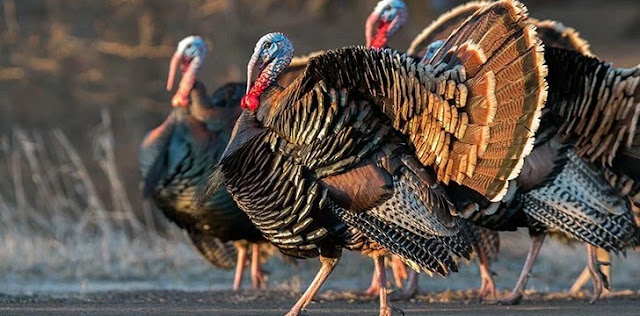
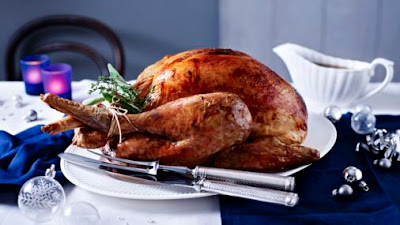
I'm not sure what you would call this pie if you chose to use minced turkey, or minced pork, if anyone knows do please share in the comments. Then of course you could make a fish pie the variations seem endless 😀
Vegetarians and vegans have been known to call a meat-free Shepherd’s Pie a ‘Shepherdless Pie.’ While the name ‘Cottageless Pie’ would just make no sense, you can enjoy a meat-free version of either dish by using a minced meat substitute, lentils, mushrooms, or a selection of other vegetables for example.
I'm now going to confuse things even more by sharing this lower carb alternative to this popular dish, where cauliflower replaces the traditional mashed potato topping.
This is a convenient and comforting all-in-one dinner, which can be enjoyed by all the family … or just the two of you! It's perfect for cooking in advance and freezes well, so you could make individual pies if you'd prefer!

Ingredients
Serves Four
450 g cauliflower
3 (325 g) yellow onion (sometimes called brown onion)
3 (180 g) carrots
3 garlic cloves
650 g ground beef or ground lamb or turkey
60 ml olive oil
salt and ground black pepper to taste
260 g cherry tomatoes
450 g cauliflower
3 (325 g) yellow onion (sometimes called brown onion)
3 (180 g) carrots
3 garlic cloves
650 g ground beef or ground lamb or turkey
60 ml olive oil
salt and ground black pepper to taste
260 g cherry tomatoes
Recipe instructions
are here

The humble onion is found in every kitchen, but its curative powers make it an important medicinal plant too. Like garlic, it is a member of the lily family. There can be no doubting the power of the juices contained in onions; anyone who has ever sliced one and shed a tear is only too aware that they hold something special. Quite apart from its medicinal properties the onion is simply delicious. It forms the basis of so many dishes - whether raw, sautéed, baked, steamed or boiled, that it would be difficult to imagine the cuisine of any country without it.
All the best Jan