Total Pageviews

Tuesday, 14 January 2020

Roasting Red Peppers : Why do we, How do we ... and more !

Roasting peppers is one of the best ways to enjoy them – the skin blisters and the flesh becomes soft and sweet. Try these simple methods for roasting at home, then perhaps try them in the recipes below. Discover the most efficient way to prepare and cook peppers and avoid reaching for that jar in the supermarket.


Why do you roast peppers? 
Roasting, charring or blackening peppers brings out layers of flavours that will take your dishes to the next level. The flesh of the veg becomes super-soft and sweet, making it perfect for blitzing into sauces, soups and dips. 

How do I prepare peppers? 
When roasting peppers, you can either choose to halve them or keep them whole. Halving them is the preferred method, as it's best to get the fiddly prep done before cooking. Cut each pepper in half through the stalk, then remove the white membrane with a small serrated knife. Scoop the seeds out with a dessert spoon and discard. 

Different ways to roast peppers 
There are several different cooking methods to choose from. The key things to remember when roasting are:-
1. Use baking parchment instead of foil (as this can transfer a metallic flavour to the peppers).
2. Blackening and blistering the peppers is a good thing. The more blackened the skin becomes, the easier it will be to peel. This also gives a tasty, lightly charred flavour to the flesh of the peppers.
3. Stick with red peppers. These have the sweetest flavour and work best for roasting. Most varieties of red pepper work well, including Romano.

Basic roasted pepper cooking methods 

How to roast peppers in the oven
1. Heat oven to 220C/200C fan/gas 7.
2. Line a large, flat baking sheet with baking parchment.
3. Halve the peppers and arrange on the baking sheet cut-side down.
4. Roast for 30-35 mins until the skin is shrivelled and lightly blistered.
5. Set aside to cool completely before peeling.

How to grill peppers
This is a speedier method for roasting peppers.
1. Heat a grill to high.
2. Halve the peppers and arrange on a non-stick, unlined baking sheet cut-side down (do not use baking parchment, as this can easily catch under the grill).
3. Grill for 15-20 mins until blistered and softened. 

How to roast peppers on the hob
Traditionally, roasted peppers are cooked directly on a gas hob. This method is particularly useful if you're looking to achieve a smokier, charred flavour.
Put whole peppers directly on the flame of a gas hob and cook for 10-15 mins, turning often, until completely charred. You'll know they're done when they reach a deep, blackened colour.

How to peel roasted peppers 
Once your peppers are roasted, pile them (still hot) into large food bags and seal. Set aside to cool in the bags, then peel off the skins and scrape away any lingering seeds. Alternatively, leave your peppers to cool at room temperature before peeling. The skin should slip right off if the peppers have been roasted well, so if you’re having trouble removing the skins, it may be worth cooking your peppers for slightly longer.

How do I store roasted peppers? 
Once peeled and cooled, you can store your peppers in an airtight container in the fridge for five days. Alternatively, slice the peppers and put them in a jar with good-quality olive oil and crushed garlic cloves, then store in the fridge for up to one week. Do not freeze the peppers.

Roasted pepper recipe ideas 
Roasted peppers work beautifully in so many dishes. They can be blitzed into a homemade hummus, tossed through a salad or eaten as part of an antipasto platter. Make a large batch of roasted peppers to use in different dishes. Homemade roasted peppers are more budget-friendly and tastier than their shop-bought counterparts.

Roasted Red Pepper and Tomato Soup with Ricotta
recipe details here


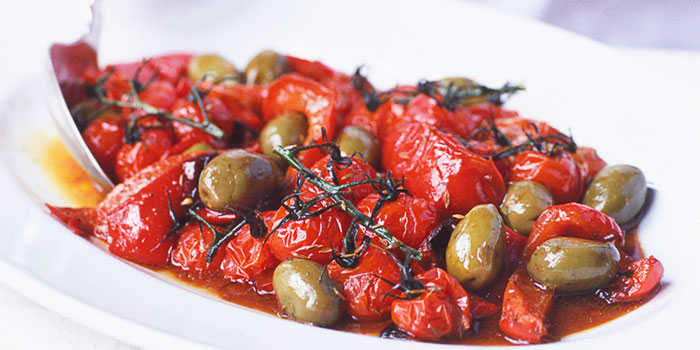
Roast Peppers with Cumin and Tomatoes
recipe details here


More from original article here

Eddie and I love red peppers, see here

A variety of recipe ideas and articles are found within this blog, and not all may be suitable for you. If you may have any food allergies, or underlying health issues these must always be taken into account. If you are a diabetic and not sure how certain foods may affect your blood sugars, test is best, i.e. use your meter.

All the best Jan

Ya Gotta Larf


Eddie

Monday, 13 January 2020

Tres Leches Cake : A Slice of Low Carb / Keto Cake from Latin America


Tres Leches cake is thought to have originated in Latin America, where it remains popular today. Since many European cakes are soaked in liqueur, it's possible that the true origins lay in those earlier European cakes. There are several varieties of this cake depending on where in the world you are located. 

This low carb / keto version of the classic sponge cake, soaked in a delicious cream-based sauce, and topped with whipped cream is even quicker and easier to make than the original! Perfect for special occasions.

Ingredients 
Serves 8
2g carbs per serving
Cake
3 eggs
3½ oz. (100g) almond flour
1 tbsp. (8g) coconut flour
2 tbsp. heavy (double) whipping cream
1 tsp (5g) baking powder
½ tsp cream of tartar
3½ oz. (100g/125ml) erythritol
unsalted butter to grease the baking dish
Sauce
½ cup (125ml) heavy (double) whipping cream
½ cup (125ml) unsweetened almond milk
2½ tbsp. powdered erythritol
1 tbsp. vanilla extract
1 pinch salt
¼ tsp xanthan gum
Cream
½ cup (125ml) heavy (double) whipping cream
1 tsp cream cheese at room temperature
2 tsp powdered erythritol
To serve

1 tsp ground cinnamon
Tips 
If you don't have any cream of tartar (a white powder used in baking), you can use lemon juice. Use half the amount of lemon juice than you would have cream of tartar. 
Why use the tiny amount of cream cheese in the whipped cream? It's because if you are not going to serve the dish straight away, the cream cheese helps to keep the whipped cream smooth and fluffy for longer.
Need Help With Weight/Measurement conversion
this may help, see here
Instructions
Can be seen here


The above recipe uses 'low carb flour' and if you are just starting a low carb diet/lifestyle you may feel confused with which low carb flours to use. You may never have used any of them before and how to use them properly can be daunting. Low carb flours do not behave like wheat flour, and how to use them in your old regular high carb recipes is a common question. Of course you may also be interested, or want to know more about them. If that is the case then Libby at 'Ditch The Carbs' site has a very good guide, and you can read it here

If you may be looking for more low carb cake recipe ideas, why not consider one or all of these here


Dear reader, you will find a variety of articles and recipe ideas within this blog, and not all may be suitable for you. If you may have any food allergies, or underlying health issues these must always be taken into account. If you are a diabetic and not sure how certain foods may affect your blood sugars, test is best, i.e. use your meter.

All the best Jan

Sunday, 12 January 2020

Super Salads - Some Tips for Building A Better Salad

Salads make a nutritious and satisfying meal, whether it’s for lunch or dinner. The best part is that no two salads are exactly the same. There are limitless ways to make salad unique and flavourful. Get some tips for what to add to your next salad below!

Choose Your Base


Choose your favourite green as your base. There are a variety of greens to choose from, including romaine, spring mix, spinach, kale, rocket (arugula), cabbage, and iceberg lettuce.

Layer on the Vegetables


Chop up your favourite veggies, you can choose from tomatoes, onions, mushrooms, beets, carrots, peppers and radishes to get a great crunch and bite. Go the extra mile with additions like avocado, cucumbers, and broccoli. Who says salads are boring? Mix it up and you will never have a dull moment with your salads!

Make it Sweet


You can make your salad sweet or savoury, depending on the ingredients and dressings. To make a sweet salad, which is fun at any time of year, add sliced pears, green apples, strawberries, or dried cranberries.

Make it Savoury


You can make your salad savoury by adding a variety of nuts: Try slivered almonds, chopped walnuts, and whole pecans to give your salad a great crunch.

Choose Your Dressing Wisely


Everyone now knows it’s important how you dress your salad. Try making your own homemade dressing with the recipe below!
  • Use a 3 to 1 ratio of oil versus vinegar. As a substitute for vinegar, you can use balsamic, red wine, apple cider, or sherry vinegar, or lemon juice. 
  • Add in chopped herbs, minced garlic, a dash Himalayan or Pink sea salt. 
  • Store your creation in a glass jar with a tight lid in the refrigerator.

Some salad recipes to try:
Spinach Strawberry Salad, a refreshing spinach salad topped with sweet strawberries, green onions, and toasted sesame seeds - more details here 

South-western Chicken Salad, made with chicken, black bean, corn, green and red bell peppers - more details here 

Arugula/Rocket Salad, made with cherry tomatoes and shaved Parmesan cheese tossed with arugula (rocket) in a lemony dressing - more details here 

Courgette / Zucchini Walnut Salad, this is a very green low-carb salad that goes great as a side dish to meat or fish. Alternatively serve by itself together with cold cuts, boiled eggs, smoked salmon, canned tuna fish or mackerel - more details here 

Avocado, Bacon and Blueberry Salad, a tasty salad that's super quick to make. Packed with creamy avocado, peppery rocket (arugula) and smokey bacon topped with a delicious fruity dressing - more details here 

Triple Berry Salad is so colourful and absolutely delicious - more details here

If you need help with weight/measurement conversion this may help here
From an idea and original article here


A variety of articles and recipe ideas are within this blog. Please note, not all may be suitable for you. If you may have any food allergies, or underlying health issues these must always be taken into account. If you are a diabetic and not sure how certain foods may affect your blood sugars, test is best, i.e. use your meter.

All the best Jan

Saturday, 11 January 2020

Melanie - Ruby Tuesday

Saturday night and music night again. If I had to pick my top hundred all time great singles, this would have to be included. A great song and accompanied with some stunning photographs. I hope you enjoy.

Peace and good health to all.

Eddie

Ya Gotta Larf


Eddie

Friday, 10 January 2020

Can you eat Yoghurt on a low carb / keto diet?


I recently came across this very informative article on Karen's KETohh blog, and thought it one to share … Yoghurt on a Low Carb Diet

"Can you eat Yoghurt on a low carb diet? 
Is Yoghurt suitable for a low carb lifestyle, particularly one where you are seriously reducing your carbs? It can be very confusing, given that you should be avoiding milk and yoghurt is made from milk so surely that means it is off limits as well. Well there is good news for you, and it simply comes down to making wise choices. You certainly shouldn’t be eating the low fat, sugar and fruit laden overly processed yoghurts that dominate the market but you can add the crĆØme de la crĆØme of yoghurt into your diet- plain Greek style full fat yoghurt. So yes, you can eat yoghurt on a low carb diet.

Being able to eat Greek Yoghurt doesn’t mean that you can eat as much as you want to, especially if you are sticking to a keto or very low carb eating plan. You may have to watch your serving size and limit it so it fits in with your macros. It is possible to do though. Some people also find that eating dairy can cause weight gain or stalling so if this impacts on you, you may also have to watch your intake. 

For anyone who cannot eat dairy, there are some yoghurt variations available such as coconut yoghurt. If you are watching your carbs then please make sure you read the label of these products as they are often thickened with products such as tapioca flour etc, which can push up the amount of carbs per serve. They often have sugar added as well so just make sure you know what you are buying.

Plain, Full Fat, Low Fat and Greek Yoghurt 
The differences between the various yoghurts is quite distinct. You can generally decrease the amount of lactose in yoghurt if it has been fermented for longer- this is one of the benefits of making your own yoghurt as you can ferment it for as long as you want to. Plain Greek yoghurt is the best low carb yoghurt option as it is higher in protein but lower in carbs. This is followed closely behind by plain, natural full-fat yoghurt (although it only has about half the amount of protein in comparison to Greek style,) so my first choice would still be eating the Greek style option. A lot of the carbohydrates are poured off with the whey in Greek yoghurt which is why the carbs are lower and there is also an increases in the amount of protein. In a 180 gm serve of Greek yoghurt there is an average of approximately 6 g. carbs. The same serve of plain full fat yoghurt has approximately 8 g. of carbs; low-fat plain yoghurt has approximately 12 g. of carbs and non-fat yoghurt has approximately 13 g. The low-fat and non-fat versions often try to make up for a more watery flavour by adding sugar, fruit, thickeners etc to improve the taste which is why they are to be avoided.

Tips for Buying Yoghurt
When buying yoghurt make sure you read the labels and look for the lowest carb option available with the least amount of preservatives. Choose a plain flavour and add your own toppings to it, that way you can control exactly what you will be eating. Adding low carb fruits such as berries is delicious and I love creating a bit of crunch by adding muesli (KETohh of course) or nuts and seeds. Yoghurt is also a great base for smoothies, dips and marinades. It is something I always have in the fridge and has many a time been a great fulfilling snack if there isn’t anything else in my cupboard to munch on.

I eat about half a cup of yoghurt nearly every day and I make my own yoghurt when I have time. It is so simple and easy to make and trust me when I say it will be one of the best yoghurts you have ever eaten. I’m quite certain it isn’t going to be hard to convince some of you to jump on this band wagon. Have a read of this yoghurt recipe to find out how easy it is to make your own. On the other hand, there are some great commercially produced yoghurts out there to choose from so don’t ever feel guilty about buying it.

For some other recipes where yoghurt is used or that go well with yoghurt, have a look at the following recipes:-
Raspberry Protein Smoothie - find it here
Moroccan Chicken Salad - find it here

It’s time for breakfast! Greek Yoghurt with fresh raspberries and some low carb muesli of course.

Enjoy"
Karen's original article is here


Dear reader, you will find a variety of recipe ideas and articles within this blog, but please note, not all may be suitable for you. If you may have any food allergies, or underlying health issues these must always be taken into account. If you are a diabetic and not sure how certain foods may affect your blood sugars, test is best, i.e. use your meter.

All the best Jan

Thursday, 9 January 2020

Chicken Casserole ... a little like mother used to make !


We never tire of chicken, it has so many plus points. Its versatility, and ease with which it can be cooked, make it one of the most popular meats around. It's certainly popular in our house! Plus of course it has a high level of good quality protein, as well as B vitamins, iron, copper and selenium... and it's usually reasonably priced too, which is a great help in todays ever increasing price of bills etc.

My dear Mum had many good recipes for chicken, and this one below is a little like she used to make! It's a BBC good food recipe suggestion, and really is quite like mother used to make … I can almost smell it cooking now!

Ingredients
Serves Four
8 bone-in, skin-on chicken thighs* (around 850g/1lb 14oz)
1 tbsp. olive oil
1 onion, thinly sliced
4 rashers smoked back bacon, cut into roughly 2cm/¾in slices
150g/5½oz small mushrooms, halved or quartered if larger
3 medium carrots, peeled and cut into roughly 1.5cm/⅝in slices
20g/¾oz plain flour (around 2 tbsp.)
1 tsp dried thyme or 1 tbsp. fresh thyme leaves
500ml/18fl oz. hot chicken stock (made with 1 stock cube)
1 medium leek, trimmed and cut into roughly 1cm/½in slices

salt and freshly ground black pepper

Method
1. Preheat the oven 190C/375F/Gas 5. Season the chicken thighs all over with a little salt and lots of black pepper.
2. Heat the oil in a large non-stick frying pan (skillet) over a medium heat and fry the chicken for 7–8 minutes, skin-side down, or until the skin is nicely browned. Turn and cook on the other side for 3 minutes more. Transfer to a plate.
3. Return the pan to the heat and add the onion, bacon and mushrooms. Fry over a medium-high heat for 4–5 minutes, or until lightly browned, stirring regularly. Tip into a medium, lidded oven-safe pan or casserole. Add the carrots and flour and toss together well.
4. Sprinkle with the thyme, then pour in the stock, a little at a time, stirring well between each addition. Add the chicken pieces back to the pan and bring to a gentle simmer. Cover the pan with a lid.

5. Place in the oven and cook for 45 minutes. Take out of the oven and stir in the leeks. Return to the oven for a further 15 minutes, or until the chicken and leeks are tender and the sauce has thickened.
6. Serve with mashed swede.

*You can use boneless, skinless chicken thigh fillets for this recipe if you like. Fry for 3 minutes on each side before transferring to a plate. Follow the recipe as above but cook for 35 minutes rather than 45 minutes before adding the leek.

From an original idea here
For readers who may prefer a vegetarian casserole option, have a look here 

Dear reader, a variety of recipe ideas, are within this blog, not all may be suitable for you. If you may have any food allergies, or underlying health issues these must always be taken into account. If you are a diabetic and not sure how certain foods may affect your blood sugars, test is best, i.e. use your meter.

All the best Jan

Wednesday, 8 January 2020

January, the coldest month of the year in the northern hemisphere !

The breathtakingly beautiful area of Langdale, in the UK's Lake District.
It runs west of Ambleside up to the Langdale Pikes. Pike is a local term for peak.
It splits into two valleys, Great Langdale and Little Langdale (image from google)

"January, the coldest month of the year in the northern hemisphere, is a time when many people usually stay indoors as much as they can and try to stay warm. It might seem that a very cold month like this would not have anything interesting about it, but this impression would be wrong. Even the most frigid month has some strange facts and fascinating things to learn about it. 

The name of January itself has an interesting origin - it comes from Janus, the name of a Roman god from antiquity. Janus, the god of doorways and boundaries, had two faces, one on the front of his head and one on the back, because a door also faces in both directions at the same time. His name was thought appropriate for the first month of the year, both because it is the "doorway" into the new year and because it is a time when people look back over the year they just went through, and forward towards the new year that's just beginning. 

Other people had different names for January than the Romans had. The most unusual of these was the Saxon name - Wulfmonath - or "Wolf Month." They called the month this because by this time in the winter, the wolves in the forests were having a lot of trouble finding food. Driven by cold and hunger, they would enter human villages to try to steal chickens, pigs, geese, and other farm animals. Since wolves are dangerous animals when they are hungry, the Saxons noticed their presence close to people's homes as one of the major yearly events of January. 

January also witnesses some strange temperature events. For one thing, even though it is bitterly cold and snowy in the northern hemisphere, with icicles hanging from the eaves like sparkling teeth and roads often slippery and hazardous, this month is the height of summer in the southern hemisphere (the half of the Earth south of the equator). While people in the north are shivering in coats and mittens, Australians and South Africans are putting on their swimming trunks and heading to the beach"... although sadly as I post this Australia is experiencing devastating bush fires. 

"Another strange detail about the temperatures in January comes with the "January thaw." This is a warmer period that comes towards the end of the month, and may see temperatures 10 degrees Fahrenheit higher than the temperatures before or after it. This is a welcome break from the point of view of most people, but in scientific terms, it comes at the wrong time. By scientific measurements of the Earth's climate, the January thaw should come at the start of the month, but instead, it comes at the end - nobody knows why. 

You might think that the warmer months would be the best time for birds to lay their eggs and hatch their babies, and in most cases, you would be right. But the Great Horned Owl - once of the fiercest owls in America - start laying their eggs in late January, when the trees are still bare except for snow and the owls need to sit on the eggs constantly so they will not freeze. Scientists think this is so that the babies hatch out in time plenty of food with the return of life in Spring, when there are many rabbits, rodents, and not too many hawks around to compete for them. However, other owls do just fine nesting later, so the Great Horned Owl is still a very strange bird. 


As you can see, although January is one of the coldest months in the north, and a time when some people may avoid going outside as much as they can, there are still plenty of fascinating things to learn about it and plenty of events going on in the natural world." I wonder what country you live in and what sort of weather are you experiencing? 

If you may have been out and about and experiencing cooler/cold temperatures, this soup may be just what you need.

Tuscan-style winter vegetable soup
more details here


However, for those living in warmer countries, this may suit you better...

Watermelon Pizza
more details here


Dear reader, this blog is presented in a magazine style - we hope something for everyone. You will find a variety of articles, studies, thoughts, photographs, music and recipes! However, not all the recipes ideas featured in this blog may be suitable for you. If you may have any food allergies, or underlying health issues these must always be taken into account. If you are a diabetic and not sure how certain foods may affect your blood sugars, test is best, i.e. use your meter.

All the best Jan

Tuesday, 7 January 2020

Just A Handful Of Nuts May Help Keep Us From Packing On The Pounds As We Age


"Eating a handful of almonds, walnuts, peanuts or any type of nut on a regular basis may help prevent excessive weight gain and even lower the risk of obesity, new research suggests. 

It may be that substituting healthy nuts for unhealthy snacks is a simple strategy to ward off the gradual weight gain that often accompanies aging, according to the researchers. Nuts also help us feel full longer, which might offset cravings for junk food. 

Researchers looked at the diet and weight of more than 280,000 adults taking part in three long-term research studies. Over more than 20 years of monitoring, participants were asked every four years about their weight and, among other things, how often, over the preceding year, they had eaten a serving (about one ounce) of nuts. 

On average, U.S. adults put on one pound of weight every year, according to researcher and epidemiologist Deirdre Tobias, a co-author of the new study, which appears in the online journal BMJ Nutrition, Prevention & Health. "We wanted to know whether nuts were associated with long-term weight gain," says Tobias, who's with Brigham and Women's Hospital in Boston. Tobias and her colleagues hypothesized that nuts might be beneficial, given the association of nuts with a lower risk of heart disease and Type 2 diabetes. 

The researchers found that making nuts a regular part of one's diet was associated with less long-term weight gain and a lower risk of obesity. The people who most consistently ate nuts gained, on average, about half a pound a year, while those who ate nuts only now and then gained, on average, about one pound each year. That may not sound like a big difference, but Tobias says, "Those half-pounds add up over time." 

It's important to note that we're not talking about piles of nuts — just a small handful a day, which Tobias says is about a dozen almonds or maybe 10 walnuts. 

In analysing data about participants' diets, researchers were able to see that as nuts became a more regular part of people's diets, their unhealthy food consumption decreased, including foods such as processed meats, refined grains and desserts like chocolates, pastries, pies and doughnuts. 

"When you increase nuts at the expense of these other snack foods, there's an even greater benefit," says Tobias. A consistent nut intake of at least a half-ounce a day was associated with a 23% lower risk of putting on 10 or more pounds or of becoming obese over a four-year period. 

But nuts' role in weight maintenance goes beyond merely acting as a substitute for pastries. "Nuts have protein in them, which helps us feel full longer, and fibre, which helps fill us up," says Libby Mills, spokesperson for the Academy of Nutrition and Dietetics. And because nuts are high in healthy fat, Mills says, they take much longer to digest than carbs and protein, and that can also "make us feel full longer." 

As a registered dietitian, Mills says most of her clients are seeking to lose weight. They "love nuts," she says, so for them, the findings are welcome news. "They find them an easy, convenient snack to keep at their desk, perhaps individually packaged, tucked into a purse or gym bag, so they're always super-handy and perfect for people on the go." 

So next time you find yourself craving something between meals, the take-home message here is clear: Go for the nuts — not the cookies. 

And here's an added benefit: A nut habit is good for the planet, say the researchers. "In addition to the impact on human health, using environmentally friendly plant-based protein, such as nuts and seeds, to replace animal sources of protein may contribute to the promotion of a global sustainable food system," they write." 

Words, picture above from article here
h/t to Dr Steve Parker at Diabetic Mediterranean Diet Blog here 

Related Post
Health Benefits of Nuts - find it here


We bring a variety of articles, studies etc. plus recent news/views and recipe ideas to this blog, we hope something for everyone to read and enjoy. Please note, not all may be suitable for you.

If you may have any food allergies, or underlying health issues these must always be taken into account. If you are a diabetic and not sure how certain foods may affect your blood sugars, test is best, i.e. use your meter.

All the best Jan

Monday, 6 January 2020

Chaffles : JalapeƱo Popper : Keto : Low Carb


Chaffles you may be asking ...
I've not heard of them!
I've not tried one!

Should I try them?
Well, they certainly fit with my LCHF menu plans, and let me share some more information about them.

If you haven’t heard of the term “chaffle” yet It's the latest craze that has taken the diabetes community by storm!

What is a chaffle you ask?
A chaffle is basically a cheese and egg alternative to bread, cooked in a mini (or regular, just adjust recipes accordingly) waffle maker that can be used for anything from breakfast foods straight through to your after-dinner treat. It basically acts as a base to any creative concoction you can conjure up.

Why are people with diabetes so excited about chaffles? 
Well for one, those of us who love to experiment with new low-carb options now have this new blank canvas to create from. But more importantly, this latest cooking invention can also help keep your blood sugars in check straight from morning till night! That's good news! 

But you don't have to be diabetic to enjoy them, why not give them a try! 

Naomi Sherman says, "Is there anything chaffles can't do? With only 4 g of carbs, chaffles are the go-to keto (low carb) craze that can rock any flavour, sweet or savoury. Here they get a spicy sass and layers of complex flavours with cream cheese, bacon, and jalapeƱo poppers. You'll never miss waffles again.

Ingredients
Serves Four
Chaffles
4 eggs
2 cups (225g) cheddar cheese, shredded/grated
2 tbsp. fresh chives, chopped (save some for garnish)
Topping
½ cup (125ml) cream cheese, softened
½ tsp garlic cloves, minced
1 scallion (green/spring onion), chopped finely
½ cup bacon (125ml), chopped and cooked
2 fresh jalapeƱos, seeded and sliced

½ scallion, chopped for garnish
Tips
A large waffle maker takes 6 minutes and a mini waffle maker about 3 minutes per waffle. 
These chaffles are best eaten straight away but can be frozen and reheated. Instead of fresh jalapeƱos, you can use pickled jalapeƱos for equal deliciousness." 
Instructions
can be found here 

Related Posts
Chaffles : Low Carb : Keto : Good for Diabetics, read it here
Chaffle … have you tried one yet, they are keto / low carb, read it here 


Dear reader, you will find a variety of recipe ideas, and articles, within this blog. Please note, not all may be suitable for you. If you may have any food allergies, or underlying health issues these must always be taken into account. If you are a diabetic and not sure how certain foods may affect your blood sugars, test is best, i.e. use your meter.

All the best Jan

Sunday, 5 January 2020

The Health Benefits of Grapefruit


"What is grapefruit? 
Grapefruit is part of the citrus family and grows in clusters on the tree, like grapes – this is said to be where the name originates. Grapefruits come in a variety of colours including yellow, pink and red, and they have a variety of tastes from sweet to sour.

Nutritional benefits of grapefruit 
While low in calories, grapefruit contains a whole host of nutrients. In particular, they're a good source of vitamin A, which is important for supporting the immune system and keeping the eyes and skin healthy, folate, which is key for a baby's development during pregnancy, and vitamin C, helping to maintain healthy skin. Grapefruit also contains some magnesium, potassium and calcium.

How much grapefruit counts towards my five-a-day? 
Half a fresh grapefruit, or 80g of tinned grapefruit, counts as one five-a-day portion and 150ml of unsweetened grapefruit juice also counts, but only once each day due to the high sugar content. If you're looking to reduce your sugar intake, avoid adding sugar to fresh grapefruit and check the label on tinned varieties to find an unsweetened option. 

Can grapefruit help with weight loss and insulin resistance? 
Eating grapefruits can’t deliver the dramatic weight loss touted in some fad diets, however, there is some evidence that shows consuming grapefruit may help with weight loss. A 12-week Japanese study looked at the effects of grapefruit versus a placebo, and there was a significant reduction in weight as well as blood glucose levels, in participants who consumed half a grapefruit before meals. Further research has also looked at the beneficial role grapefruit juice may play in reducing blood glucose levels and improving insulin resistance, although this was conducted in animal studies.

Can grapefruit reduce the risk of a stroke? 
In 2012, the American Heart Association published a report that suggested that a diet high in certain flavonoids, compounds found in citrus fruits including grapefruit, may lower a woman’s risk of stroke. However, more research is necessary to understand exactly why this association occurs.

Can grapefruit promote better brain function? 
There is some promising research into the role of flavonoids in the diet and improvements in memory and cognition as well as the prevention of neurodegenerative conditions, although it is too early to say whether grapefruit in particular has a significant impact on brain health.

Can grapefruit support healthy cholesterol levels? 
There have been some positive human studies into the beneficial role grapefruit, and specifically red grapefruit, can play in helping to improve cholesterol blood levels, particularly in those suffering with atherosclerosis – a build-up of fatty material inside the arteries.

Can grapefruit affect prescription medications? 
The NHS advises that fresh grapefruit or grapefruit juice should not be consumed with certain medications as it has been shown to reduce their breakdown and elimination, which can result in increased blood levels of the drug. These include, but are not limited to, statins, calcium channel blockers, immunosuppressants, certain cancer medications and Entocort, which is used to treat Crohn’s disease. Always check with your GP first if you're taking a prescription medication before consuming grapefruit or grapefruit juice. 
Read more from the NHS about how grapefruit can affect medicine. 

Some grapefruit recipes


Prawn, Pomegranate and Grapefruit Salad
10g carbs per serving
details here


Turkey steaks with citrus and ginger sauce
25g carbs per serving
details here


Lettuce rolls
13g carbs per serving
details here

The above is provided for general information only, and should not be treated as a substitute for the medical advice of your own doctor or any other healthcare professional. If you have any concerns about your general health, you should contact your local healthcare provider." 
Words and pictures above taken from a BBC Good Food article, which may be seen in full and with all relevant information/research links here

Dear reader, a variety of articles, and recipe ideas, are within this blog, not all may be suitable for you. If you may have any food allergies, or underlying health issues these must always be taken into account. If you are a diabetic and not sure how certain foods may affect your blood sugars, test is best, i.e. use your meter.

All the best Jan

Friday, 3 January 2020

Some Foods in Season During January


What's in season in January
Start the year right with plenty of seasonal fruit and vegetable available through January, making those healthy eating resolutions a little bit easier. Choose between savoury low carb toast/bread in the morning with creamy avocados, or sweet with tangy homemade marmalade using sharp Seville oranges. Earthy Savoy cabbage and purple sprouting broccoli bulk out winter dinners, while lemons and limes brighten up the grey days. 

Pink grapefruit
Super-sweet and juicy with a fragrant, tangy flavour, pink grapefruits* from Florida are at their best in January – perfect for brightening up dark winter nights. Named because it grows on trees in grape-like clusters, grapefruit is thought to be a hybrid of the orange and the Asian pomelo fruit.
Some recipes you may like to try:
Pink grapefruit, honey and mint salad, see details here
Prawn, pomegranate and grapefruit salad, see details here
Turkey steaks with citrus/grapefruit and ginger sauce, see details here 

Avocado 
Why not stock up on avocados to help your healthy eating goals in January. Contrary to popular belief, the skin colour is not a true indication of ripeness and differs between varieties. Hass avocados are dark purple and rough-skinned, in contrast to smooth, green-skinned Fuerte. Choose avocados that are firm but give a little when gently squeezed. To prepare, cut into the avocado and slice around the stone, creating 2 halves, then twist to separate. 
Some recipes you may like to try:
Avocado and Cucumber Soup, see details here
Sail Away on a delicious Avocado Boat, it's Keto, LCHF, Paleo, see details here
Avocado Breakfast Burger, it's LCHF, see details here 
Chicken, Avocado, Bacon and Tarragon Salad, see details here 
Smashed avocado on toast with poached eggs and tomatoes, see details here

Lemons 
Bright citrus fruits bring a touch of sunshine to your kitchen in the depths of winter. Look for taut, glossy skinned lemons and fruits that feel heavy for their size, as these contain the most juice.
Some recipes you may like to try:
Roast chicken with basil and lemon salsa, see details here
Red Lentil Soup with Lemon Yogurt, it's a vegetarian dish, see details here
Lemon Poppy-Seed SoufflƩs, see details here
Italian Lemon Cake, it's low carb, see details here

Limes 
Limes are the same shape, but smaller than lemons, with a bright green, fairly smooth skin, limes are a highly aromatic fruit. Limes are an important ingredient in Mexican, Indian, Latin American and South-East Asian cookery. To get maximum juice, roll limes under the palm of your hand on a worktop for a few seconds before slicing and squeezing.
Some recipes you may like to try:
Ginger Lime Chicken, an Asian inspired low carb dish, see details here
Pork chops with apple, lime and mint butter, it's LCHF, see details here
Coconut and Lime Low Carb Cake, see details here

Kiwis (Kiwi Fruit)
Fuzzy brown kiwi fruit have juicy, sweet emerald flesh. Named for its association with New Zealand, where it was first grown on a large scale, the kiwi actually originates from China and is grown as far afield as South America and Greece. The fruit should be firm but yielding when gently squeezed. Remove the inedible skin with a vegetable peeler, or cut in half and scoop out the flesh with a teaspoon. 
Some recipes you may like to try:
Low Carb Kiwi Fruit and Blackberry Cake, see details here
Blackberries, blueberries, kiwi fruit and double (heavy) cream, see more here
Kiwi and coconut parfait, see details here

Purple sprouting broccoli
Leafier and more colourful than the standard variety, these long stems of broccoli are at their best right now. Purple sprouting broccoli is prepared just like traditional broccoli – trim any woody stems and remove tough leaves.
Some recipes you may like to try:
Purple sprouting broccoli with cheesy sauce, see details here
Normandy Pork Casserole, served with purple sprouting broccoli, see details here
Spiced squash, butter bean and purple sprouting broccoli stew, see details here 

Savoy cabbage
This dark green, crinkly cabbage has a sweet, earthy flavour and is great eaten cooked or raw. Savoy has slightly looser leaves than other cabbage varieties, but its head should still be compact and weighty, with crisp leaves. This dark green brassica has a distinctive, sweet and slightly earthy taste that stands up well against rich, bold or meaty flavours.
Some recipes you may like to try:
Hungarian Style Savoury Minced Beef, with savoy cabbage and carrots, see details here
Braised Savoy cabbage with bacon, see details here
Roasted Savoy cabbage wedges with blue cheese dressing and walnuts, see details here
Savoy, chorizo and Borlotti bean broth, see details here

Seville oranges
These rough-skinned fruits are famous for their sour taste that adds tartness to recipes. They make great marmalade; the bitter taste combines with sugar to create a deliciously intense flavour. They only have a short season, but you can freeze Seville oranges for use throughout the year – simply pop them in the freezer whole!
Some recipes you may like to try:
Seville orange marmalade, see details here
Seville orange meringue pie, see details here
Wild duck with orange juice and savoy cabbage with smoked bacon, see details here
Orange, Mozzarella and Rocket (Arugula) Salad, see details here

I wonder have you three favourites from the above? 
Mine would be an avocado boat, the Normandy Pork Casserole, served with purple sprouting broccoli and a nice slice of the Coconut and Lime Low Carb Cake … mind you the Ginger Lime Chicken is nice too! 


Dear reader, you will find a variety of articles, studies etc. plus recent news/views and recipe ideas within this blog, we hope something for everyone to read and enjoy ... but please note, not all foods mentioned may be suitable for all. 

It is important to bear in mind any food allergies, underlying health issues/conditions etc. For instance with grapefruit*, care should be taken if on certain drugs, if in any doubt check with your Doctor or Pharmacist. 

Not all of the suggested recipes above are low carb. If you are a diabetic and not sure how certain foods may affect your blood sugars, test is best, i.e. use your meter.

All the best Jan