Total Pageviews

Sunday, 18 September 2022

Autumn - some interesting facts


The time of year that Keats called the 'Season of mists and mellow fruitfulness', autumn is a season famous for its harvest times, turning leaves, cooling temperatures and darkening nights.

1. Autumn begins
There are two different dates when autumn could be said to begin. Autumn, as defined by the Earth's orbit around the Sun, begins on the equinox which falls on 22 or 23 September.

However, to record climate data, it is important to have set dates that can be compared, so meteorological autumn always begins on 1 September.

2. Trees prepare for winter
One of the most stunning signs of autumn is the turning of the leaves. The shorter days are a sign to trees to begin to prepare for winter.

During winter there is not enough light for photosynthesis to occur, so as the days shorten throughout autumn, the trees begin to close down their food production systems and reduce the amount of chlorophyll in their leaves.

3. The chemistry of colour
Chlorophyll is the chemical which makes tree leaves green and as it declines other chemicals become more prominent in the leaves.

These are responsible for the vibrant ambers, reds and yellows of autumn. The chemicals responsible are types of flavonoids, carotenoids and anthocyanins.

Did you know some of these chemicals are the same ones that give carrots (beta-carotenes) and egg yolks (luteins) their colours?

4. People born in Autumn live longer
A study in the Journal of Aging Research found that babies born during the autumn months are more likely to live to 100 than those born during the rest of the year.

Their study found that 30 % of US centenarians born during 1880-1895 were born in the autumn months.

5. The days get shorter
The word equinox comes from the Latin equi (meaning equal) and nox (meaning night) accounting for the equinox marking the time when day and night are of equal length.

We often notice the nights begin to draw in from this point as after the autumn equinox, the nights are longer than the days, until this is reversed at the spring equinox.

6. A date for your diary - 24 September 2303
Generally speaking, the autumn equinox always falls on either 22 or 23 September, but not quite always.

Because the Gregorian calendar is not quite in perfect symmetry with the Earth's orbit, the autumn equinox will very occasionally fall on September 24. This last happened in 1931 and will next happen in 2303.

7. Persephone's return
In Greek mythology, autumn began when Persephone was abducted by Hades to be the Queen of the Underworld. In distress Persephone's mother, Demeter (the goddess of the harvest), caused all the crops on Earth to die until her daughter was allowed to return, marking spring.

8. Autumn and Fall
We typically think of 'fall' as the North American version of the word 'autumn', but it was in fact in widespread usage in England until relatively recently.

Originally a shortening of the phrase fall of the leaf, the phrase was common in England in the 17th century.

The word autumn entered English from the French automne and didn't become common usage until the 18th century.
These eight facts taken from here

To readers who live in the northern hemisphere I wish you a happy Autumn. However, for those readers who reside in the southern hemisphere ... happy Spring 😊


All the best Jan

Saturday, 17 September 2022

Creamy mushrooms, braised leeks and crispy chicken : So tasty


"Are you happy to have chicken tonight?", I asked Eddie. "Yes, please that sounds good", was his reply

Ingredients
Serves Four
(Adjust ingredients etc.to suit)
2 tbsp. olive oil
2 onions, thinly sliced
250g closed cup mushrooms, thinly sliced
8 skin-on, bone-in chicken thighs
400ml chicken stock, made using ½ a stock cube
100ml half-fat crème fraîche
2 heaped tsp Dijon mustard
1½ tsp cornflour
1 tbsp. roughly chopped parsley, to serve
For the braised leeks
2 leeks, rinsed, outer layer discarded, quartered lengthways with root left intact

Method
1. Preheat the oven to gas 6, 200°C, fan 180°C. Heat 1 tbsp. oil in a large frying pan over a medium heat and add the onions. Cook for 15-20 mins until softened and lightly golden. Transfer to a roasting tin and set aside.
2. Add the mushrooms to the pan and turn the heat up to high. Cook for 8-10 mins until soft, then add to the roasting tin.
3. Season the chicken thighs, add to the pan and reduce the heat to medium-high. Cook skin side down for 10 mins or until the skin is golden and crisp. Turn and cook for a further 5 mins. Transfer to the roasting tin and wipe the pan clean with kitchen paper.
4. Pour the chicken stock into the roasting tin and roast for 25 mins or until the chicken is cooked through.
5. Meanwhile, heat the remaining oil in the frying pan over a medium-high heat. Add the leeks, cut side down, and cook for 4 mins or until lightly golden. Using tongs, turn the leeks so the cut sides face up, then pour in 150ml hot water. Cover and simmer for 15-20 mins until tender.
6. Transfer the chicken to a plate and cover with foil to keep warm. Put the mushrooms, onions and cooking juices in a saucepan, then stir in the crème fraîche, mustard and cornflour. Season to taste. Simmer for 2-3 mins until thickened.
7. Divide the chicken and sauce between plates and serve the leeks alongside. Garnish with the parsley and a twist of black pepper.
8. Sit down and enjoy a tasty dish 😋

Each Serving
Carbohydrate 11.9g Protein 33.2g Fibre 2.2g Fat 40g
From an original idea here

You may also like to try Tuscan-style winter vegetable soup, it contains a wonderful selection of vegetables including leeks, more details here

sharing an autumn mantel
(image from google)

A variety of recipe ideas/articles are found within this blog, and not all may be suitable for you. If you may have any food allergies, or underlying health issues these must always be taken into account. If you are a diabetic and not sure how certain foods may affect your blood sugars, test is best, i.e. use your meter. If you have any concerns about your health, it is always advisable to consult your doctor or health care team.

All the best Jan

Friday, 16 September 2022

Diabetes in the News : Are you sleepwalking into a diabetes diagnosis ?

"Most 30-somethings are sleepwalking into a diabetes diagnosis because they are eating 3 TIMES more potatoes and bread than needed, an expert says
  • Professor Joan Taylor, of De Montfort University, blamed current NHS guidance
  • It states that carbohydrates should make up just over a third of what we eat
  • Speaking at the British Science Festival, she called for it to be cut to just 10%
Most people in their 30s could unknowingly be on the way to developing diabetes because of society's carb-heavy diets, a top expert warned today.

Professor Joan Taylor, a diabetes expert at Leicester's De Montfort University, blamed current NHS nutrition guidance.

It states that carbohydrates — such as potatoes, bread and rice — should make up just over a third of what we eat.

But speaking at the British Science Festival, Professor Taylor called for this to be cut to just 10 per cent.

Eating less starchy foods could result in people losing weight – drastically slashing the risk of getting type 2 diabetes.

It will also help blood sugar levels come 'down to normal'.

Starchy carbs tend to be calorie-dense, which is why they have been vilified over the past few decades.

Professor Taylor said: 'If you can cut it down to 10 per cent, bearing in mind that the NHS recommendation is about 35 per cent, then not only will you lose weight, which is a good thing for metabolic syndrome and type 2, but your blood glucose comes down to normal.'

Type 2 diabetes occurs when the body does not make enough insulin, or if the insulin it makes doesn't work properly — leading to high blood sugar levels.

Uncontrolled diabetes can lead to blindness and leave patients needing their limbs amputated or in a coma.

The condition affects roughly 4.5million Britons and more than 30m Americans.

But hundreds of thousands are feared to be unknowingly walking around with the condition.

Unlike type 1 diabetes, which is genetic, type 2 diabetes is mainly (but not always) driven by obesity. 

Professor Taylor said: 'If you talk to diabetologists, they will tell you that most people from their 30s onwards... are beginning to put on the kind of weight these days that means then moving into the metabolic syndrome, that then is a route to diabetes."
Words above and more to read at article here

Related Post
Introduction to low-carb for beginners is here

~ Do please share your thoughts about this article in the comments section ~

Please note that articles within this blog are provided for general information only and should not be treated as a substitute for the medical advice of your own doctor or any other health care professional. If you have any concerns about your general health, you should contact your local health care provider.


All the best Jan

Thursday, 15 September 2022

Sausage and Egg Casserole Bake : Low in Carbs

Did you know that among many of eggs benefits they are:-

1. Full of Vitamins and Minerals - Including vitamins B, C, D, E, K, and more.

2. They can help to lower high blood pressure, peptides present in eggs have been shown to help reduce high blood pressure.

3. Eggs are a great source of protein, one egg contains 6 grams of protein.

4. Eggs contain a high level of essential omega-3 fatty acids, an essential nutrient and good for your heart.

5. They have nine essential amino acids ... yes, eggs are known as the perfect food as they contain all 9 of the essential amino acids.

Read more about eggs on this post here


So with eggs in mind I am sharing this tasty egg casserole bake recipe you may wish to try 😋

INGREDIENTS
Serves Six
10 eggs
½ cup coconut milk, milk or cashew milk
2 Tbsp Avocado Oil (divided)
1 pound ground chicken sausage (or your favourite sausage)
2 cups arugula
1.5 cups cauliflower rice
8 oz. shredded cheddar cheese (e.g. goat cheddar)
Salt and pepper
Fresh parsley or green onion, to garnish
INSTRUCTIONS
1. In a bowl, whisk together the eggs, milk, 1 tablespoon of avocado oil and a good pinch of salt and pepper.
2. In a skillet, heat a tablespoon of avocado oil over medium heat. Once hot, add your sausage and brown the meat, stirring occasionally. Once fully cooked through, add the cauliflower rice and cook until tender, then mix in the arugula. Remove the skillet from the heat and allow the heat from the skillet and meat to wilt the arugula. Allow the mixture to cool for a few minutes.
3. Once the sausage mixture has cooled slightly, whisk it into the egg mixture a little at a time to prevent the eggs from scrambling. Sprinkle on about ? of the cheese mixture.
4. Use avocado oil spray or butter to grease a baking dish. Pour the egg mixture in and top with the remaining cheese.
5. Bake for 40-45 minutes, or until the top and edges of the bake are browned and the casserole feels firm to the touch. Allow the bake to cool, then cut into 6 or 8 pieces and top with chopped parsley or green onion.
RECIPE TIPS
You can use your favourite cheese and green in this recipe. If you don’t like arugula, baby kale, or spinach would work well
See more at original recipe here
Need help with weight, measurement conversion see here

Have you tried this vegetarian low carb / keto recipe for a Breakfast Casserole - see here


Dear reader, a variety of articles and recipe ideas are found within this blog, and not all may be suitable for you. If you may have any food allergies, or underlying health issues these must always be taken into account. If you are a diabetic and not sure how certain foods may affect your blood sugars, test is best, i.e., use your meter. If you have any concerns about your health, it is always advisable to consult your doctor or health care team.

... and just a reminder to keep checking your spam folder. Although blogger does seem to have sorted most of its commenting problems, some bloggers are still finding comments are going incorrectly into spam even after moderation - read more here

All the best Jan

Wednesday, 14 September 2022

A is for Apple, Avocado, Aubergine (Eggplant)

Would any of these be your choices? Do you have another dish that would fit 'A is for' ? 
Please share your thoughts in the comments below.

A is for Apple, and when I think of apple I think of
Apple Crumble
 and this low carb recipe, see more details here


A is also for Avocado, have you tried
Avocado Stuffed with Crab and Paprika Mayonnaise
makes a great lunch, see more details here


A is for Aubergine
although some readers know it as eggplant!
Aubergine / Eggplant and Mozzarella Bake
a tasty vegetarian dish, see more details here


You will find a variety of recipe ideas within this blog, and it is important to note, not all may be suitable for you. If you may have any food allergies, or underlying health issues these must always be taken into account. If you are a diabetic and not sure how certain foods may affect your blood sugars, test is best, i.e. use a reliable meter. If you have any concerns about your health it is always advisable to consult your Doctor or health care team.

All the best Jan

Tuesday, 13 September 2022

Did you know these five random facts ?

Did you know?

The Moon Has Earthquakes or Moonquakes.
Moonquakes (“earthquakes” on the moon) do occur, but they happen less frequently and have smaller magnitudes than earthquakes on the Earth. It appears they are related to the tidal stresses associated with the varying distance between the Earth and Moon. They also occur at great depth, about halfway between the surface and the centre of the moon.

Pineapple works as a natural meat tenderizer.
The fruit is packed with the enzyme bromelain, which breaks down protein chains, making it an ideal marinade for meats when you don't have a lot of time. But for the same reason, pineapple does not work for jams or jellies, since the enzyme breaks down gelatine as well. The bromelain is so strong that pineapple processors have to wear protective gloves, otherwise over time the enzyme eats away at the skin on their face and hands, leaving dry skin and small sores.

You lose up to 30 percent of your taste buds during flight.
This might explain why airplane food gets such a bad reputation. The elevation in an airplane can have a detrimental effect on our ability to taste things. According to a 2010 study conducted by Germany's Fraunhofer Institute for Building Physics, the dryness experienced at a high elevation as well as low pressure reduces the sensitivity of a person's taste buds to sweet and salty foods by about 30 percent. Add that dry cabin air affects our ability to smell, and our ability to taste is reduced further.

Your nostrils work one at a time
When we breathe in and out of our nose during the day, one nostril does most of the work at a time, with the duties switching every several hours. This "nasal cycle" is dictated by the same autonomic nervous system that regulates heart rate, digestion, and other unconscious bodily functions and is the reason why—when our nose gets stuffed up—it does so one nostril at a time.

The dot over the lower case "i" or "j" is known as a "tittle."
That tiny dot above lower case "I" and "j" letters has an actual name: tittle. It is thought that the phrase "to a T" is actually derived from the phrase "to a tittle"—a phrase that was used in the same sense dating back to the early 17th century. (The first recording of the phrase is in the 1607 play Woman Hater by Francis Beaumont and John Fletcher, in which the line reads, "I'll quote him to a tittle.")

~ time for a recipe suggestion ~
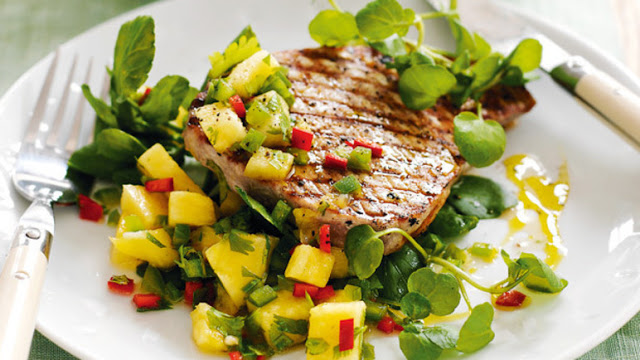
Tuna Steaks Seared : Served with a Pineapple Salsa
well pineapple was mentioned above 😊
This sweet and spicy salsa goes brilliantly with tuna,
but is also great with pork chops, too!
see recipe details here


This blog is presented in a magazine style - we hope something for everyone. You will find a variety of recipe ideas, food suggestions and articles within the blog. Not all may be suitable for you. If you may have any food allergies, or underlying health issues these must always be taken into account. If you are a diabetic and not sure how certain foods may affect your blood sugars, test is best, i.e. use your meter. If you have any concerns about your health it is always advisable to consult your doctor or health care team.

... and just a reminder to keep checking your spam folder as some bloggers are still finding comments are going incorrectly into spam

All the best Jan

Monday, 12 September 2022

Kohlrabi, a lower carb vegetable


Kohlrabi is a wonderful low-carb vegetable chock-full of vitamins and may be used instead of potatoes, but also raw in salads. Looking something like a Sputnik in vegetable form, with a squat bulb and antennae-like shoots, kohlrabi is part of the cabbage family. The name translates as 'turnip cabbage' and the mild, sweet flavour is somewhere between a turnip and a water-chestnut, with a crisp, crunchy texture. It can be found in two colours, pale green and the less common purple.

Availability
All year round, but best from mid-July to mid-November.
Choose the best
Larger bulbs can be tough, so select a medium-sized one that feels heavy for its dimensions. The leaves should be crisp-looking and intensely green. Avoid any bulbs that have soft spots or yellowing leaves.
Prepare it
Snip off the leaf stems, trim off the base and top, then use a potato peeler or sharp knife to peel it as if it's an apple. Then thinly slice, chunk or cut into wedges. If you're using slices in a salad, blanch them first.
Store it
Trim off the stems and keep in a perforated bag in the fridge - it will last up to two weeks.
Cook it
To roast, steam the bulb for 5 minutes, then roast for 45 minutes. Steam (up to 12 minutes). Stir fry (up to 6 minutes). The leaves can be cooked like cabbage.
Alternatives
Try turnip.
Details and more about Kohlrabi from here

Töltött Karalábé: Hungarian Stuffed Kohlrabi


If you like stuffed cabbage rolls, try Hungarian stuffed kohlrabi instead. Hollowed out and filled with pork, beef, veal, lamb, or a mixture as well as garlic and onion, they make a hearty meal. For a vegetarian version, replace the meat with mushrooms and barley, millet, or another sturdy grain.
You can see the recipe and more details here

My thanks to fellow blogger Iris who gave me the idea for this blog post after I read her post here

Dear reader, you will find a variety of articles and recipe suggestions within this blog, and not all may be suitable for you. If you may have any food allergies, or underlying health issues these must always be taken into account. If you are a diabetic and not sure how certain foods may affect your blood sugars, test is best, i.e. use your meter. If you have any concerns about your health it is always advisable to consult your Doctor or health care team.

All the best Jan

Sunday, 11 September 2022

Murals, have you seen any recently?

Do you like murals? Sami at Colourful World blog loves murals and street art (so do many other bloggers). Every Monday she has a meme called The Monday Mural where she and others can feature any mural(s) they may have seen. I always enjoy seeing the many and varied ones there are around the world, if you'd like to see some do go over to her blog and take a look.


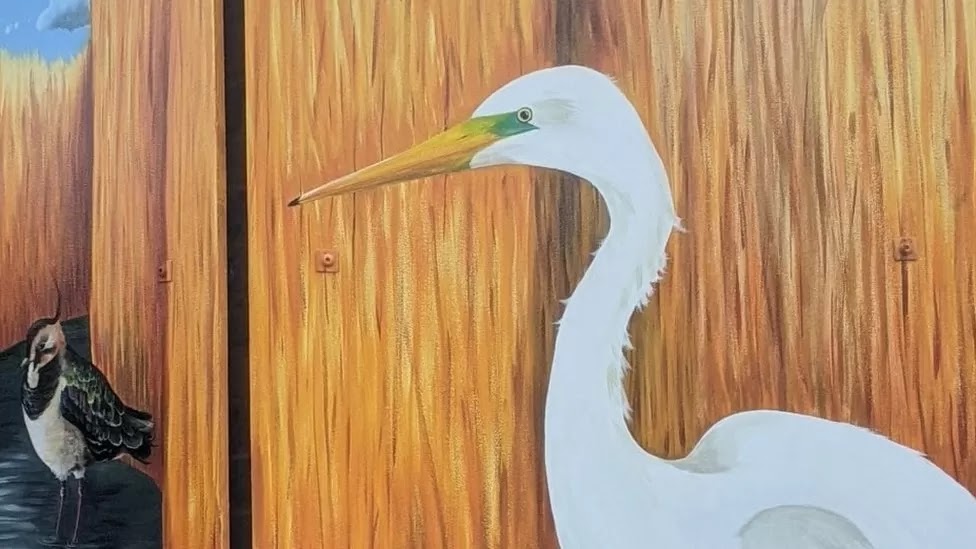
Georgia Green painted the Life Beneath the Waves mural at Weymouth Stone Pier

Nearer to home, well in the UK 😊, a mural trail featuring work by ten different artists has been launched in a seaside town.

More than a dozen artworks, including by several Dorset artists, have been commissioned for walls and buildings in Weymouth.


Birds in the Reeds at Lodmoor by Delphine Jones can be found at Overcombe Corner

They can currently be found at nine sites, including Overcombe, Lodmoor, Nothe Gardens, South Harbourside and the town centre, a tenth is being added soon.

I have shared two of the Weymouth murals here, but you can see more at this article here and there is more to read on the Weymouth Mural Trail website here

~ xx oo xx ~

This blog is presented in a magazine style - we hope something for everyone. You will find a variety of articles, studies, thoughts, photographs, music and recipes! However, not all the recipe ideas featured in this blog may be suitable for you. If you may have any food allergies, or underlying health issues these must always be taken into account. If you are a diabetic and not sure how certain foods may affect your blood sugars, test is best, i.e., use your meter. If you have any concerns about your health, it is always advisable to consult your doctor or health care team.

All the best Jan

Saturday, 10 September 2022

Root vegetable toad-in-the-hole : A vegetarian choice

Toad-in-the-hole is a British family favourite, this version makes the most of seasonal root vegetables like red onion and carrots plus autumnal squash and Tenderstem broccoli. Make it in one big tin and let the whole family take a piece and tuck in, delicious 😋


Ingredients
Serves Six
3 tbsp vegetable oil
3 long, thin carrots, scrubbed and halved lengthways
1 red onion, cut into thin wedges
200g butternut squash, peeled and sliced into 1cm-thick half-moons
3 garlic cloves, bashed
100g plain flour
4 large eggs
125ml milk
2 rosemary sprigs, finely chopped
100g Tenderstem broccoli
1 tsp balsamic vinegar
optional - mashed or roast potatoes
For the gravy
1 tbsp vegetable oil
2 red onions, finely sliced
2 garlic cloves, crushed
2 tbsp plain flour
1 vegetable stock cube, made up to 650ml
1 tbsp balsamic vinegar

Method
1. For the gravy, heat the oil in a saucepan over a low-medium heat and fry the onions, uncovered, with a pinch of salt for 20 mins, stirring regularly, until caramelised.
2. Meanwhile, preheat the oven to gas 7, 220°C, fan 200°C. Put the oil in a large ovenproof frying pan, shallow casserole dish or baking tray. Add the carrot, onion, squash, and garlic. Season; toss well. Roast for 15 mins.
3. Whisk the four and eggs in a bowl with a pinch of salt until a smooth, thick paste forms. Gradually add the milk, whisking to make a thin batter with a similar consistency to single cream. Stir in the rosemary.
4. For the gravy, add the garlic to the onions and cook for 1 min, then sprinkle over the four and mix well. Stir in the stock, season and add the vinegar. Simmer, uncovered, over a low heat for about 20 mins.
5. Remove the pan from the oven, add the broccoli and pour the batter around the veg. Roast for 25 mins until golden, well risen and puffed. Brush any exposed veg with the vinegar. Serve with the gravy and some potatoes, if you like.

Each serving contains
Fat 15g Protein 9.2g Carbs 28g Fibre 4.3g

Cook's tips
i) Use any firm veg you’ve got in the fridge. Parsnips, leeks and fennel all work well.
ii) If you don't have red onions, you could use white, brown or spring onions (scallions).
From original recipe here

You may also like to see this alternative lower carb recipe for toad in the hole here

sharing an autumn mantle
(image from google)

You will find a variety of recipe ideas within this blog, and not all may be suitable for you. If you may have any food allergies, or underlying health issues these must always be taken into account. If you are a diabetic and not sure how certain foods may affect your blood sugars, test is best, i.e., use your meter. If you have any concerns about your health, it is always advisable to consult your doctor or health care team.

All the best Jan

Thursday, 8 September 2022

Queen Elizabeth II has died

It was very sad hearing the announcement today that Queen Elizabeth II,
the UK's longest-serving monarch, died at Balmoral aged 96.


Her reign spanned 15 prime ministers starting with Winston Churchill, born in 1874,
and including Liz Truss, born 101 years later in 1975.

She held weekly audiences with her prime minister throughout her reign.

At Buckingham Palace in London, crowds awaiting updates on the Queen's condition began crying as they heard of her death.

The union flag on top of the palace was lowered to half-mast at 18:30 BST and an official notice announcing the death was posted outside.


A state funeral for the Queen is expected in the next two weeks.

A very special lady, she will be missed.

~ Jan ~

Wednesday, 7 September 2022

Pork Chops with broccoli mash ... low carb

Broccoli mash is the answer for mashed potato lovers looking for a low carb alternative. It makes a tasty green side dish, and it's packed with vitamins and nutrients too! Served with succulent pork chops cooked in a skillet, I hope you may give this recipe a try.


Ingredients
Serves Two
Pork chops
2 pork chops, approx. 9 oz (260 g) each
1 tbsp butter or olive oil
2 tsp dried thyme (or barbecue seasoning or Italian seasoning) - optional
salt and ground black pepper
Broccoli mash
1 lb (5 cups) broccoli
2 tbsp butter or olive oil
salt and ground black pepper to taste
1 garlic clove, minced (optional)

Tips
i) You can use fresh or frozen broccoli for this recipe. If using fresh broccoli, save the stalk, peel, and slice it. Chop the rest of the broccoli into smaller florets, roughly equal in size.

ii) If using frozen broccoli, place frozen florets in boiling water for 2-4 minutes until fork tender. Drain well before proceeding.

iii) Feel free to substitute olive oil for some of the butter in any proportion you choose.

Recipe Instructions
can be seen here

Alternative recipe you may like to try
Cauliflower Broccoli 'Macaroni' and Cheese - Low Carb - see it here

Broccoli ... is brimming with good nutrients
read more here

"What Is The Definition of a Skillet?
At its simplest, a skillet is a pan with a flat bottom and angled sides that can either be used with or without a lid. Often skillets are used for braising, searing or grilling meat as well as frying, the latter of which often leads to confusion between a frying pan and a skillet.

Frying Pans VS Skillets
Whilst both can be used for frying, the way they are used often differs. For example, a frying pan will often be used for shallow frying food that only needs to be flipped occasionally. As such the sides of a frying pan are typically not very tall.

Skillets on the other hand have a taller and slanted side which allows for the ingredients in the pan to be shaken or stirred without spilling. Additionally, the slanted sides make it easier to add and remove ingredients from a more complex dish. Both features are incredibly useful whilst braising and stir-frying.

This distinction is even more noticeable with a French skillet as they will likely be more spacious and have much higher sides than your average frying pan. Additionally, the majority of skillets you’ll encounter will be cast iron skillets, whilst most frying pans are made of aluminium or stainless steel. Despite this though, it is possible to get a cast-iron frying pan, they are just less commonly seen."
Words above and more about Skillets can be seen here

For those readers in the Northern Hemisphere 
Autumn/Fall is getting nearer
~ wishing all readers an enjoyable day ~

You will find a variety of articles and recipe ideas within this blog, and not all may be suitable for you. If you may have any food allergies, or underlying health issues these must always be taken into account. If you are a diabetic and not sure how certain foods may affect your blood sugars, test is best, i.e. use your meter. If you have any concerns about your health it is always advisable to consult your Doctor or health care team.

All the best Jan

Tuesday, 6 September 2022

'What We Can Learn From Kids'


I'm sharing an interesting article by Mark Sissons - Daily Apple Site

It is quite a long read but has some interesting points (well I think so).
Sit down with a cuppa or beverage of your choice, have a read and see what you think ... and do please share your thoughts in the comments.

"It’s one thing to look at studies. What if we look at “finished products”? What if we look at whole organisms that appear to be doing things right and try to learn from them? People are always looking at the “Blue Zones” or this guru or that celebrity and trying to glean insights about healthy diet, lifestyle, and behaviour. I say expand that outlook to encompass other populations you might not have considered. Like kids.

Kids are kids. We tell them what to do, they learn from us, and they are put on this earth to watch us and do what we do. What if we flipped that? What can we learn from watching kids? How do children approach life, health, and movement—and what can we take from that approach and apply to our own lives?

Here’s what we can learn from kids.

Keep asking why.
Kids never stop asking why. They don’t just accept answers from authorities because they want to understand why the answer is what it is. They want to know your reasoning. They take nothing for granted, even or especially such “mundane” facts like the sky being blue, rain falling from the sky, and dogs having fur.

Never stop asking why. The eternal student doesn’t just learn more. The eternal student is never bored.

Never stop moving.
If you watch your kids, they don’t stop moving. They fidget. They dance. They stand up then sit down then stand up again. They twitch and pace the room and climb over furniture. Even if they’re sitting in a chair, they’ll rock, lean back, sit on their knees, and never stop moving. Kids are constantly adjusting their position throughout space and time. And while you can’t say their constant movement is a cause of children’s well-avowed high metabolic rate and energy expenditure—it’s most likely both cause and effect, a virtuous cycle—we can still emulate their.

Now, don’t fidget in the board room. Don’t climb on the desk during a job interview. But constant movement is one path to better health, and it will keep you limber, supple, mobile, and energetic. Try moving throughout the day for a solid week and see how you feel. See if you’re less stiff. See if you have more energy. I bet you will.

Sprint more.
Kids sprint everywhere. Watch kids at play together and they don’t just walk slowly and orderly in single file lines. They dash off to go play, run up and down hills, sprint up the stairs. If they want to go somewhere, they go and they go quickly. But, and this is crucial, they aren’t sprinting non-stop. Unless they’re playing freeze tag or some other playground game, they sprint and then rest. They sprint as a mode of transportation, not training. Kids aren’t concerned with “working out” or “running intervals.” They go hard, as hard as they can, and then stop when tired and do something more quiet and sedentary until it’s time to sprint again.

They are the perfect example of moving frequently at a slow pace walking/fidgeting/playing on the floor doing relatively sedentary low level movement interspersed with bouts of all out high intensity sprinting.

Eat whole foods that taste good.
Kids at least from the start of their lives absent processed food have pure appetites. Before their taste buds and reward systems are corrupted by industrial foods expressly designed to corrupt by food engineers, they make excellent food choices. In one old study, researchers took a group of breastfed infants and. placed a broad selection of whole foods in front of them. Without any adult input, the kids chose what to eat from the following foods:
  • Bone marrow, bone jelly
  • Beef, lamb, and chicken muscle meat
  • Liver, kidney, brain, sweetbreads
  • Haddock
  • Cod liver oil
  • Whole wheat cereal, whole barley cereal, oats, corn, rye
  • Eggs
  • Raw milk
  • Oranges, apples, tomatoes, peaches, pineapples, bananas
  • Cabbage, carrots, turnips, potatoes, peas, beets, spinach, cauliflower
Each kid took a different route. They all chose different foods. Some ate a fruit and meat-heavy diet. Others ate more grains. Some kids ate a ton of fish and organs. But whatever they ate, they managed to satisfy their nutrient requirements. One child even cured his rickets by eating a ton of cod liver oil. He didn’t know he was low in vitamin D. He didn’t know what vitamin D even was. They just knew what they needed. They ate what was most appealing in the moment and managed to provide what their bodies required. Amazing, right? Or is it just normal?

Embrace awe.
Children are in constant awe of the world around them. Of course if they have their nose in a tablet all day that sense of awe quickly gets subsumed and extinguished. But if you take a four-year-old kid out for a hike through the redwoods or along the water or anywhere natural they are in awe of everything around them. The bird overhead, the squirrel scampering up the tree, the sand crabs bubbling under the sand, the waves crashing, the seagulls swooping overhead. In the past I have written about the importance of cultivating a sense of awe, and I stand by it. You can get that back, even as an adult who’s “seen it all.”

“Awe researchers” induce awe in regular adults by showing them nature scenes on television screens or having them stand in eucalyptus groves on college campuses and looking up. Awe isn’t hard to find. It’s all around us.

Play more.
Get five kids in an empty room and within ten minutes they’ll have figured out a game to play.

Get five adults in an empty room and within ten minutes they’ll be crawling up the walls trying to deal with the awkwardness and boredom.

Don’t be like the adults. Be like the kids.

This appears to be the secret to life. Kids turn everything into a game. And the adults who live the best, longest, happiest lives do the same. They laugh about life, they joke around. And of course, play for adults looks different than kids at play. I wouldn’t necessarily recommend you go play cops and robbers or play with Barbies. The point is to find something that you enjoy doing, particularly with other people (but not necessarily). Something where the reward is the activity itself, not some goal or prize glittering at the end of the game. Bonus points if it’s physical play.

I’ve long made this a cornerstone of my life: the insistence on play. For too long, I trained to endure. I trained to win races. I trained so I could deal with more and more pain and suffering. And it ended up being a self-fulfilling prophecy, as I grew unhealthier and unhealthier and accrued more and more damage. But when I made the switch to training so I could play—Ultimate Frisbee, stand-up paddling, snowboarding, and anything else I truly enjoyed doing—everything opened up.

Trust your intuition.
Kids come into this world with nothing but their intuition. They don’t have “empirical evidence.” They don’t have “research.” They don’t even have language—they can’t get advice from people. All they have is instinct, urges, and intuition to guide them. Oh, and the benevolent helping hand of their parents and other caregivers. But mostly it’s just the feeling that something is right or wrong, good or bad, healthy or unhealthy.

You still have intuition, and it’s still worth heeding, it’s just drowned out by the stories and narratives other people, society, and even your own brain tell you. The little voice inside you that instantly reacts to a situation, a person, or a choice is your intuition. You can still say no to that initial reaction, that gut feeling, but you should at least consider and vet it.

Embrace magic.
It doesn’t matter if magic is “real” or not. For one, we can’t really even define magic, can we? What we can know is that children readily ascribe huge amounts of meaning to seemingly inconsequential natural phenomena. And perhaps they’re right to do it.

Dragonflies actually look an awful lot like dragons if you look closely. They shimmer. They hover. They dart to and fro. They’re brightly coloured, almost scaly.

Making a wish before blowing a dandelion—what if it does work? What if by envisioning what you want to occur and then consecrating it with the forced dispersal of dandelion seeds into the spring wind you trigger something in your subconscious that drives you to accomplish the goal and never give up? Isn’t that a kind of magic?

Be present more.
Kids are often extremely present. They focus on the moment, the situation at hand. They squat down to look at the ant trail. They spot the turtle in the pond before anyone else. They can play, and dance, and read and really be there for the moment. They aren’t thinking about the bills, or the fact that they have to go into work tomorrow, and yes, that’s a bit of a luxury because they by and large don’t have as much to worry about. But we can learn from that. We can inject some of that presence into our own lives.

I won’t say “be present at all times.” Sometimes it’s good to be distant from the situation at hand and sometimes we need to worry about the future, but adults are way too good at doing that. We’ve got “lack of presence” in the bag. Most of us need more presence.

Lose yourself in your pursuits.
I can remember playing in the woods from morning 'til dusk, not eating, not drinking, ignoring the skinned knees because the immediacy of the moment and our pursuit demanded our full attention. That was true living. That was an archaic form of flow that every biohacker and meditator and nootropic-taking coder would pay thousands to tap into.

If you can capture that, if only for an hour or two a day, you will become unstoppable.

Stop eating when you’re not hungry.
Kids are finely tuned metabolic machines. This is why you get so many struggles at the dinner table—a kid won’t be hungry but his parents will force him to keep eating. Or a kid won’t eat anything all day and then wake up and eat six eggs, two potatoes, one banana and two glasses of milk. It’s hard to understand as a parent, and even I had issues dealing with our kids not eating their meals, but eventually I learned to trust them.

What it comes down to is that kids stop eating when they aren’t hungry, as long as they’re eating whole foods and not processed industrial junk. If you did the same, you’d have a lot less issues with your weight. Now, this is easier said than done. We aren’t kids with pristine metabolisms. We’ve had decades to cultivate dysfunctional appetites and satiety mechanisms. But if you look deep within, you’ll see glimmers of the old signals telling you when you’ve had enough food. Listen to them."
Words above are by Mark Sissons, see original article 
here

ooh look, a tiny bug!

Please note that articles within this blog are provided for general information only, and should not be treated as a substitute for the medical advice of your own doctor or any other health care professional. If you have any concerns about your general health, you should contact your local health care provider.

All the best Jan

Sunday, 4 September 2022

Cauliflower : Three Lower Carb Recipe Choices

The cauliflower is one of the most versatile foods in the low carbers recipe book. From cauliflower cheese to finely grated as a rice substitute or mash with butter and use as a topping for shepherds and fish pies etc. With minimal carb content and over three times the vitamin C as potatoes, a truly great food. There are many different recipes where cauliflower can be used, below you will find three recipe suggestions, if you should try them I hope you enjoy them.

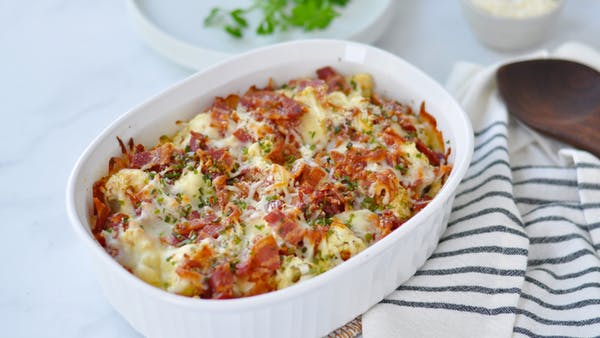
Garlic and herb cauliflower mac and cheese with bacon
Mac and cheese is the ultimate in comfort food.
This low carb version with garlic and herbs may become the whole family's new favourite.
more details/recipe here


Roasted Spicy Cauliflower
Low-Carb Roasted Spicy Cauliflower is a recipe where cauliflower is tossed with olive oil, spicy red pepper flakes, salt, and pepper and roasted until it’s tender and lightly browned … it’s delicious.
This Spicy Cauliflower is a treat that’s vegan, dairy-free, low-carb, Keto, and gluten-free.
If you like spicy food and are a cauliflower fan, this could become one of your favourite ways to cook it!
more details/recipe here


Garlic and chilli prawns with cauliflower rice
A tasty meal with a healthy twist.
Swap out basmati rice for a light alternative made by blitzing cauliflower florets.
Combine with king prawns cooked in garlic, chilli and ginger,
spring onions, pepper, courgette and peas for a vegetable packed main meal.
more details/recipe here


You will find a variety of recipe ideas within this blog, and not all may be suitable for you. If you may have any food allergies, or underlying health issues these must always be taken into account. If you are a diabetic and not sure how certain foods may affect your blood sugars, test is best, i.e., use your meter. If you have any concerns about your health, it is always advisable to consult your doctor or health care team.

All the best Jan

Saturday, 3 September 2022

Do you know anyone who likes chocolate cupcakes?


Our youngest granddaughter, who is such a sweetheart, has always enjoyed chocolate cupcakes. This photograph of her was taken a few years ago, and it always makes me smile 😊 How she got so messy eating a delicious chocolate cake we didn't like to ask - but I remember it was a hot day - so I think the chocolate was quite soft! LOL! "Grandma have you got some wet-wipes please" 

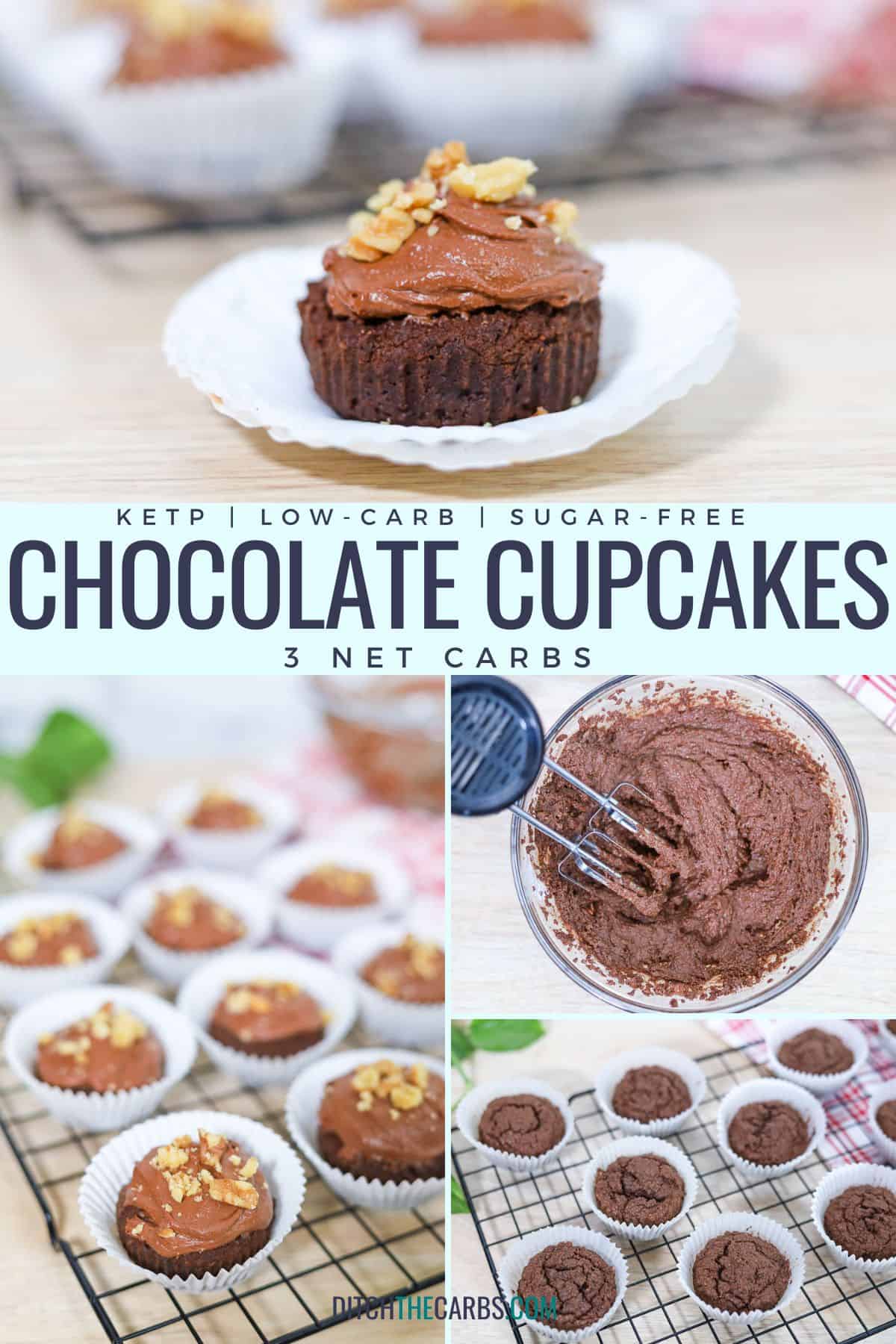
But talking of chocolate cupcakes reminded me of Libby at Ditch the Carbs site keto/low carb recipe for them. She uses almond flour, they are naturally gluten-free, sugar-free, and with only 3g net carbs are perfect if you are diabetic, but can also be enjoyed by non-diabetics 😋  
 

Keto chocolate cupcakes
110 g (1 stick) butter melted
6 tablespoons granulated sweetener of choice, or more, to your taste
2 teaspoons vanilla extract
3 eggs - medium
50 g (½ cup) cocoa powder unsweetened
200 g (2 cups) almond meal/flour
1 teaspoon baking powder
2 tablespoons heavy (double) cream if necessary

Keto chocolate frosting
1 keto buttercream optional

Instructions
and lots more to read
can be seen here

You will find a variety of recipe ideas within this blog, and not all may be suitable for you. If you may have any food allergies, or underlying health issues these must always be taken into account. If you are a diabetic and not sure how certain foods may affect your blood sugars, test is best, i.e. use your meter. If you have any concerns about your health it is always advisable to consult your Doctor or health care team.

All the best Jan

Friday, 2 September 2022

Answers to September Quiz Plus ... a recipe for Peanut Butter Fat Bombs

Hello there, I hope you enjoyed yesterday's quiz. Many thanks to all those who read the post and special thanks to those who took time to comment.


Did you know the answers? Well, as promised here are the answers to the seven questions. For ease I have repeated the questions ...

1. What is the birthstone for September?

Sapphire  

2. What is the birth flower for anyone born in September?

Aster is the main birth flower, although morning glory is also recognised by some  

3. What is the star sign for the first few weeks of September?

Virgo.
The Zodiac signs for September are Virgo (August 23 – September 23) and Libra (September 24 – October 23).

4. Which goddess did the Ancient Greeks honour in September?

Demeter
(The goddess of the harvest)

5. Google was founded by two students in September 1998. What are their names?

Larry Page and Sergey Brin

6. The Great Fire of London ended in September 1666, but how many people died?

Six  
It is not known for sure how many people died in the Great Fire, but the commonly quoted figure is just six.

7. What popular food is celebrated on the 13th September?

Peanuts
If you are allergic to peanuts, then the 13th September may not be your favourite day, but for those of you who aren’t, you may want to get ready to celebrate with endless peanut filled recipes, although Peanut butter could be the most favourite

How did you do? Before I researched the answers I knew five 😊


... and now on to a tasty recipe suggestion, which you may wish to try.

Peanut Butter Fat Bombs : Keto : Low Carb
These keto/low carb peanut butter fat bombs use five simple ingredients and couldn’t be easier to make. Topped with a delicious chocolate ganache, they are the perfect decadent keto/low carb snack.
more details/recipe can be seen here


~ wishing you a happy month of September ~

A variety of articles and recipe ideas are within this blog, and not all may be suitable for you. If you may have any food allergies, or underlying health issues please take these into account. If you are a diabetic and not sure how certain foods may affect your blood sugars, test is best, i.e. use your meter.

All the best Jan

Thursday, 1 September 2022

September - Time for the first of the month quiz - plus - recipe for Omelette Muffins

As we welcome September, the ninth month of the year, it's time for the first of the month quiz. I'm only asking seven questions, I hope you may have a go at answering them.


1. What is the birthstone for September?

Sapphire  Topaz  Diamond  Emerald

2. What is the birth flower for anyone born in September?

Aster  Marigold  Cosmos  Poppy

3. What is the star sign for the first few weeks of September?

Scorpio  Virgo  Libra  Sagittarius

4. Which goddess did the Ancient Greeks honour in September?

Artimus  Aphrodite  Demeter  Hera

5. Google was founded by two students in September 1998. What are their names?

Jerry Yang and David Filo
Larry Page and Sergey Brin
Sergey Brin and Mitchell Baker
Mark Zuckerberg and Larry Page

6. The Great Fire of London ended in September 1666, but how many people died?

Six    Sixty    Six Hundred    Six Thousand

7. What popular food is celebrated on the 13th September?

French Fries  Hamburgers  Strawberries  Peanuts

How did you do? Do write down your answers at home and come back tomorrow when the answers will be revealed. 😊

~ and now for a delicious recipe suggestion ~

Omelette Muffins
Low Carb : Keto : Delicious
The beauty of these omelette muffins is what you mix in for added flavour. It's up to you! 
Anything you love can be added to an omelette … diced vegetables, meat, perhaps some cheese … 
you can add and amend this recipe to create your own personal omelette muffin.  
More details can be seen here


This blog is presented in a magazine style - we hope something for everyone. You will find a variety of articles, studies, thoughts, photographs, music and recipes! However, not all the recipes ideas featured in this blog may be suitable for you. If you may have any food allergies, or underlying health issues these must always be taken into account. If you are a diabetic and not sure how certain foods may affect your blood sugars, test is best, i.e. use your meter. If you have any concerns about your health it is always advisable to consult your Doctor or health care team.

All the best Jan