Total Pageviews

Sunday, 13 January 2019

Orange, Mozzarella and Rocket (Arugula) Salad ...easy and refreshing


No matter the season I do think a salad can be enjoyed at any time. As a side dish, light lunch or even main meal … and of course there are so many varieties and combinations of salad ingredients you can choose from.

This recipe suggestion uses oranges and cheese, and of course a little greenery. 

Oranges are bursting with vitamins and minerals. The taste can vary from juicy and sweet to bitter, depending on the variety – more common varieties include Valencia, Seville and Hamlin. Oranges are available all year round, except for some varieties such as blood oranges, which have a shorter season. Oranges are well known for their vitamin C content but they are also a good source of fibre, B vitamins, vitamin A, calcium and potassium.

The cheese used is mozzarella or burrata - if you can find it - and with the mix of other ingredients you have a fresh and citrussy salad with a mustard dressing.

Ingredients:
Serves Four 
3 normal or blood oranges
2 x 125g balls mozzarella, the best you can afford (or burrata, if you can get it), torn
2 big handfuls rocket (arugula)
½ red onion, thinly sliced
low carb bread, to serve (optional)
For the dressing
3 tbsp. olive oil
3 tbsp. red wine vinegar
2 tsp caster sugar
2 tsp wholegrain mustard
1 tsp mustard seed (black or brown)

1 tsp poppy seed

Method:
1. Finely zest 1 of the oranges and mix with the dressing ingredients and some seasoning.
2. Cut the peel from the top and bottom of each orange, then sit each flat on a board. Using a small knife, cut away the peel and pith from each orange, working in downward strokes all the way around. Thinly slice the oranges and scatter over a platter with the mozzarella, rocket (arugula) and onion.

3. Drizzle the dressing over the salad and eat with some low carb seedy bread, if you like.

Nutrition: per serving

fat 22g carbs 10g fibre 2g protein 14g

Original recipe idea here


We bring a variety of recipe ideas and articles to this blog, and not all may be suitable for you. If you may have any food allergies, or underlying health issues these must always be taken into account. If you are a diabetic and not sure how certain foods may affect your blood sugars, test is best, i.e. use your meter.

All the best Jan

Saturday, 12 January 2019

Simply Red - Holding Back The Years (Symphonica In Rosso)

Yes, it's Saturday Night, so it's Music Night on this blog! Last year 'Simply Red' played 'Symphonica In Rosso' which is the annual Dutch event which sees artists perform on three nights with a full orchestra, simply amazing. Of this video, one commenter said, "You know when you see a video of a singer doing a song they first recorded 35 years ago and they struggle to hit the high notes because their voice is worn with age? THIS AIN'T ONE OF THOSE! 33 years on and Mick hasn't lost even the slightest bit of vocal range. His voice is still as pure and unique as ever. Truly one of the greatest voices of our time," and someone else said, "no pre programmed drum beats, no flashy pyrotechnics … just a microphone & soul." I enjoyed this, I hope you do to. All the best Jan

Make Some Courgette / Zucchini Fritters ... and why this vegetable is on my shopping list


Fritters make a great meal any time of day! Make a big batch, freeze them, and reheat when needed for a quick and easy meal solution!

Why it’s so good for you! 
Courgettes/Zucchini and carrot both have a high water content. When paired with protein and fat from the eggs, these fritters make a filling, nourishing meal without that unwanted heavy feeling. 

What You Need: 
(use organic ingredients where possible)
2 cups grated vegetables (courgette/zucchini, carrot or sweet potato)
2 free range eggs
1/2 cup onion, finely chopped/ grated
Butter or coconut oil for frying
Sea salt and pepper to taste 

Utensils: 
Grater
Knife
Fry-pan
Spatula 

What To Do:
1. Grate the courgettes/zucchinis with the skin on and add some salt. Let the mixture stand for a while you chop the onion.
2. Squeeze the veg in order to get rid of excess water, and then mix with the onion, the salt and pepper and the eggs until you have a thick pancake like batter.
3. In a fry-pan heat the oil or butter and fry the batter in batches of 4 small pancake size fritters for about 2 minutes each side on medium heat, or until slightly brown.
4. Serve with a tossed green salad dressed with lemon and olive oil.

Courgettes / Zucchini ... they are on my shopping list! 
Courgettes / Zucchini are becoming ever more popular and with good reason, they have a deliciously sweet, nutty taste. They’re often used to bulk out sauces and dishes like a bolognaise or lasagne, but why not also enjoy courgettes in their own right.

Many of us enjoy growing our own Courgettes, but if left too long in the soil, they will grow huge and bloated with water. While these green monsters might look magnificent, the best tasting courgettes are the shorter, slim ones.

If you’re already living the LCHF lifestyle, you will know that courgettes are low in carbs, just 2g. carb per 100g, and they are probably high up on your must buy shopping (or growing) list. They may not pack the nutritional punch of other green vegetables (broccoli, kale etc.) but they do contain significant levels of potassium to control blood pressure and vitamin C to boost your immune system.

The courgette’s thin dark skin is high in soluble fibre, which slows digestion and stabilises blood sugar levels – potentially getting rid of those pesky mid-afternoon sweet cravings. Soluble fibre can also prevent constipation and help with those horrible IBS symptoms so many of us endure.

You can buy courgettes from most big supermarkets as well as small farmers markets (when in season). Many prefer to buy locally sourced courgettes as supermarkets can of course ship vegetables thousands of miles despite them being in season a few minutes down the road, but how and where you buy is always a personal choice.

Now – how to prepare courgettes? Try not to cook courgettes with too much water as they can go quite soggy. The best way to cook them is to get a good crunch. Slice them in thin chip shapes, place them on foil and drizzle with extra virgin olive oil and a sprinkling of salt, spices and herbs, then place under the grill until golden. You can eat these as a snack, or with a salad. Alternatively, you can roast courgettes up with a selection of other vegetables to enjoy with classic meat and buttery mashed swede. Or you can make Greek style fritters on the BBQ with lots of chopped dill.

Courgettes keep well in the fridge, but don’t leave them too long or they’ll develop a slightly bitter taste.

More information here, with a lovely Courgette / Zucchini Fries recipe here.
Some text taken from this resource here
For help with weight/measurement conversion see here

We bring a variety of recipe ideas and articles to this blog, and not all may be suitable for you. If you may have any food allergies, or underlying health issues these must always be taken into account. If you are a diabetic and not sure how certain foods may affect your blood sugars, test is best, i.e. use your meter.

All the best Jan

Friday, 11 January 2019

It's Friday ... some thoughts and a Provençal Chicken Recipe !

Yes, Friday comes around again … before we know it we'll be half way through the first month of 2019. The days seem to go by so quickly, and I still haven't decided is that a good thing or not? Good or bad I think the best thing is to enjoy each and every day. 

Do you buy flowers? Sometimes I do and sometimes they are bought for me … I have seen some early bunches of daffodils in our local shops and tulips too - perhaps a sign that Spring is just around the corner (but somehow I doubt that) we still have a few more months to go … 

Blog friends over in Australia have been feeling the heat in recent weeks with quite extraordinarily high temperatures, while other blog friends in Canada and parts of Europe have had a lot of snow. The weather here in the UK hasn't been too bad and has enabled many of us to get out for enjoyable walks, that's when we are fortunate enough not to have the inevitable winter coughs, colds and sneezes that do seem to be around. 

Anyway, back to Friday, we quite often enjoy a fish dish on a Friday but today I think will be different! Yes, I'm thinking it may well be Provençal Chicken, it really is a tasty dish … she says with a big smile!

Provençal Chicken - a favourite

There are quite a few 'Provençal Chicken' recipe ideas around and you may indeed have your own particular favourite. Recipes to me are to be shared, enjoyed, sometimes amended to suit your particular likes and needs.

We bring a variety of recipe ideas to this blog, and not all may be suitable for you. If you may have any food allergies, or underlying health issues these must always be taken into account. If you are a diabetic and not sure how certain foods may affect your blood sugars, test is best, i.e. use your meter.

Now, how about the aroma of some great ingredients wafting ... whilst this tasty dish is bubbling in the pan! Then you can enjoy the taste of France at your table!

Ingredients:
Serves Four

1 tbsp. oil
100 g lean smoked bacon medallions, roughly chopped
1 red onion, cut into wedges
1 courgette, halved and cut into chunks
1 aubergine (eggplant), cut into small pieces
4 tomatoes, cut into large wedges
3 cloves garlic, finely chopped
1 red chilli, chopped
500 g carton passata
half a chicken stock cube, crumbled
460 g chicken thigh fillets
14g of fresh flat leaf parsley, washed and roughly chopped
2 tsp mixed herbs

Method: 
1. Preheat the oven to 200°C, 180°C fan, gas 6. In a large oven proof pan, heat the oil and cook the bacon for 5 minutes until crispy. Remove and reserve for later.
2. Add the onion, courgette, and aubergine (eggplant) to the pan and fry for 5 minutes. Then add the tomatoes, garlic, chilli, passata, 50ml water and chicken stock cube. Bring to boil, then reduce the heat and simmer for another 5 minutes.
3. Add the chicken thigh fillets, half of the parsley, reserved bacon and mixed herbs. Stir to coat the chicken in sauce and cook for 30 minutes in the oven. Remove from the oven and serve straight away garnished with the remaining parsley and seasoned with freshly ground black pepper.

Make it veggie: Leave out the bacon and chicken, and replace the chicken stock cube with a vegetable stock cube. Cook the vegetables and serve with a nut roast.

Original recipe can be seen here

Bon Appetit.

All the best Jan

Ahh bless ...

This made me smile


Eddie

Thursday, 10 January 2019

Quesadillas - Go Mexican - Low Carb / Keto Version

A quesadilla is a heated tortilla with melted cheese inside. But in addition to cheese, you can put practically anything in a quesadilla. This Mexican-inspired dish is decadent, cheesy - and low carb/keto. You can serve them up as is, or decked-out with sour cream, guacamole and salsa. It's up to you ...
Happy eating!
Feliz comer!


Ingredients 
Three Servings 
5g net carbs 41g fat 21g protein 
Low-carb tortillas
2 eggs
2 egg whites
6 oz. cream cheese
1½ tsp ground psyllium husk powder
1 tbsp. coconut flour
½ tsp salt
Filling
5 oz. grated hard cheese of your liking
1 oz. arugula (rocket) lettuce

1 tbsp. olive oil, for frying

There is greenery in the above recipe provided by using rocket leaves which is sometimes known as Arugula. Now we all know that salad greens are healthy, and that most are very low in calories. However, did you know that not all give you a good dose of nutrients... well Arugula/ Rocket is one leafy green vegetable that stands out as a rich source of many vitamins and minerals.

Consider the difference between iceberg lettuce and arugula/rocket:
Arugula contains about eight times the calcium,
fives times the vitamin A, vitamin C and vitamin K,
four times the iron as the same amount of iceberg lettuce.

The choice is easy... start with arugula/rocket for a healthier salad! 

Tips 
Never underestimate the power of melted cheese — in other words, make extra if you’re expecting a crowd! And make some guacamole, too.
Depending on your taste, some may find, they are slightly eggy, however, when you add the fillings and flavourings the eggy taste is gone. 

Frying instead of baking 
If you don't want to bake the tortillas you can fry them in a pan instead. We recommend using a non-stick pan for this. Add a small amount of butter or oil to the pan and place it over medium heat. 
Add a dollop of the batter in the middle of the pan and swirl it around to cover. This will give you a thin tortilla, or crepe if you would rather use it as that. Cook until set on top and then flip carefully and let the other side cook for about a minute. 

Prepare ahead of time 
You can make the tortillas ahead of time. Allow them to cool completely before stacking them with parchment paper in-between. Wrap them with plastic and keep them in the refrigerator for 2-3 days or in the freezer for up to 3 months.

When you are in the mood for fresh quesadillas - just add cheese and fry them according to the instructions. Once the quesadillas are assembled and cooked they are best to eat right away. 

Recipe instructions
Can be found here

A variety of recipe suggestions/ideas are found within this blog, and not all may be suitable for you. If you may have any food allergies, or underlying health issues these must always be taken into account. If you are a diabetic and not sure how certain foods may affect your blood sugars, test is best, i.e. use your meter.


Talking about Mexico, did you know that 
Dahlia pinnata is the national flower of Mexico 

All the best Jan

Don’t toy with glycemic index !


Dr William Davis writes:
"Here is a discussion I first posted in my Wheat Belly Total Health book, chapter 7: Grainless Living Day-to-Day.

Glycemic index, or GI, describes how high blood sugar climbs over 90 minutes after consuming a food compared to glucose.

The GI of a chicken drumstick? Zero: No impact on blood sugar. How about three fried eggs? Zero, too. This is true for other meats, oils and fats, seeds, mushrooms, and non-starchy vegetables. You eat any of these foods and blood sugar doesn’t budge, no glycation phenomena follow, no glucotoxic or lipotoxic damage to such things as your pancreas.

There is nothing intrinsically wrong with the concept of GI nor of the related concept, glycemic load, GL, a measure that also factors in the quantity of food. The problem is how the values for GI and GL are interpreted. For instance, categories of GI are arbitrarily broken down into:

High glycemic index: 70 or greater
Moderate glycemic index: 56-69
Low glycemic index: 55 or less

This is like being a little bit more or less pregnant. By this scheme, cornflakes, puffed rice, and pretzels have “high“ GIs above 70, thereby sending your blood sugar through the roof, while whole grain bread, oatmeal, and rice have “low” GIs. A typical non-diabetic person consuming a typical serving of cornflakes, e.g., 1 cup cereal in ½ cup milk, will thereby experience a blood sugar in the neighbourhood of 180 mg/dl—very high and more than sufficient to set the process of glycation and glucotoxicity on fire, add to adrenal disruption, cataract formation, destruction of cartilage, hypertension, heart disease, and neurological deterioration or dementia. (Blood sugars will vary, of course, depending on body weight, degree of overweight, insulin sensitivity, time of day, and other factors, but this would be typical. Someone with pre-diabetes or diabetes will have a higher blood sugar.)

How about a low-glycemic index food, such as a bowl of oatmeal, 1 cup cooked, in ½ cup milk? A typical response: blood sugar 170 mg/dl—lower, yes, but still quite awful, triggering all the same undesirable phenomena triggered by the high-glycemic cornflakes. This is why I believe “low” GI is more accurately labelled “less-high” GI, not “low.” Alternatively, we could just recognize that any GI above single digits should be regarded as high because it’s not until you get to single digits or zero that blood sugars no longer range into destructive levels.

The concept of “glycemic load” tries to take this into account by factoring in portion size. Thus the GL of cornflakes is 23, while the GL of oatmeal is 13 and that of whole wheat bread is 10. GL is usually interpreted as:

High glycemic load: 20 or greater
Moderate glycemic load: 11-19
Low glycemic load: 10 or less

Once again, this lulls you into thinking that foods like oatmeal or whole wheat bread don’t raise blood sugar—but they do. They are not low glycemic load; they have less high glycemic loads.

The value that truly appears to count and predict whether or not we will have a blood sugar rise? Grams of carbohydrate. Specifically, “net” grams of carbohydrate calculated by subtracting fibre:

“Net” carbohydrates = total carbohydrates – fibre

Net carbohydrates is a concept popularized by the late Dr. Robert Atkins, who recognized that fibre has no impact on blood sugar despite being lumped together with other carbohydrates. (Fibre is technically a carbohydrate, or polysaccharide, but humans lack the enzymes to digest fibres into sugars.) In other words, there is really no need for manipulations such as glycemic index or glycemic load and their misleading classifications.

If you were to test blood sugars with a common fingerstick glucose meter (as many of us, diabetic and non-diabetic, often do to gauge the effect of different foods) 30-60 minutes after consuming a food, you would see that it takes most of us around 15 grams of net carbohydrates before we begin to see a rise above the starting value. We check blood sugars at 30-60 minutes after consuming a food. The peak can actually occur before or after 30-60 minutes, depending on the mix of protein, fat, fibre, the amount of water or other liquids, pH of the food, and other factors. This is just an approximation of peak blood sugar that allows you to perform a single fingerstick, rather than every few minutes. What we don’t do is check blood sugar two hours after consumption, as advised by most physicians interested in blood sugar control on insulin and other diabetes medications. This seems obvious, but is a common tripping point when discussed with doctors.

Ideally, allow little to no rise in blood sugar. In this way, you have turned off any excess levels of glycation and glucotoxicity, undo the effects of high insulin and insulin resistance, and allow fasting blood sugars to head downward over time, while also accelerating weight loss.

There is another common fiction—or perhaps half-truth might be a better term—prevailing in nutritional thinking offered by the dietary community that tells us that, if a high-glycemic index food is consumed along with proteins, fats, or fibre, i.e., foods with low- or zero- glycemic index, that the net glycemic effect will be much improved. For this reason, dietitians often advise people to consume, say, bread with peanut butter: the high blood sugar potential of the bread is blunted by the low-glycemic protein, fat, and fibre of the peanut butter. As often occurs in the flawed logic of nutrition, this is another example of something being less bad, not necessarily good. For instance, a typical blood sugar in a middle-aged mildly overweight male after consuming two slices of multigrain bread made with whole wheat flour, oats, and millet on an empty stomach might be 170 mg/dl—high enough to provoke insulin, cortisol, insulin resistance, visceral fat accumulation, inflammation, glycation and glucotoxicity, and add to dementia risk. In another session, again starting with an empty stomach, the same male consumes two slices of multigrain bread, but this time with several slices of turkey (mostly protein), mayonnaise (mostly fat), and lettuce (mostly fibre and water). Blood sugar: 160 mg/dl—better, yes, but still pretty awful and more than sufficient to generate all the phenomena generated at a blood sugar of 170 mg/dl, including brain atrophy.

Less bad is not necessarily good. Feel free to count your carbs, but ignore the misleading concepts of glycemic index and glycemic load. Use those tables of glycemic index you might have to line your box of cat litter, but don’t use them to construct a healthy diet."

All words and picture above from original article here

You will find a variety of articles, and recipe ideas within this blog.
It is important to note, not all may be suitable for you. If you may have any food allergies, or underlying health issues these must always be taken into account. If you are a diabetic and not sure how certain foods may affect your blood sugars, test is best, i.e. use your meter.

All the best Jan

Wednesday, 9 January 2019

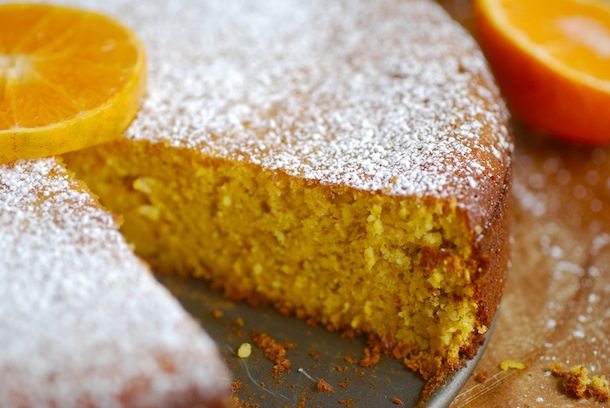
Clementine Almond Cake : Low Carb, Flourless, Gluten Free


'This is a lovely everyday cake - spongy, not-too-sweet, and just a touch bitter in the absolute most perfect way possible - as it contains no flour, it is also a lovely gluten-free cake recipe,' says Alejandra.


Made using clementine's, "which is a hybrid between a mandarin orange and a sweet orange, so named in 1902.The exterior is a deep orange colour with a smooth, glossy appearance. Clementine's can be separated into 7 to 14 segments. Similarly to tangerines, they tend to be easy to peel. They are almost always seedless when grown commercially, and therefore are also known as seedless tangerines. The clementine is also occasionally referred to as the Moroccan clementine. They are typically juicy and sweet, with less acid than oranges. 

Most sources say that the clementine came to exist because of accidental hybridization, with the first fruits discovered by Brother Clement Rodier (after whom the fruit was named in French and then English) in the garden of his orphanage in Misserghin, Algeria. However, there are claims it originated in China much earlier; one source describes it as nearly identical to the Canton mandarin widely grown in the Guangxi and Guangdong provinces in China.

The clementine is not always easy to distinguish from varieties of mandarin oranges. As such, it should not be confused with similar fruit such as the satsuma or honey sweet orange, or other popular varieties.

It is best to choose Clementine's that have a uniform orange colour, shinny skin with no blemishes or wrinkles, and they should feel soft

If stored at room temperature they should last 2/3 days ... but may be placed in a fridge if you do not intend using them within this time

Clementine's are an excellent source of Vitamin C"
The above words from here and here

Now onto the delicious recipe, for which you will need these ingredients, serves 10.

4 clementine's (about 13 oz.)
6 large eggs
1/2 cup erythritol + 1/2 cup granulated Splenda OR 1 cup Swerve sweetener
2 1/4 cups of ground almond meal (or 9oz of almonds finely ground)
2 teaspoons pure almond extract
1/2 teaspoon (kosher) salt
1 heaped teaspoon baking powder

Nutritional Info:
Calories: 220
Fat: 16.3g
Protein: 10.4g
Carbs (using Swerve): 10g (total) and 6g (net)
Carbs (using Splenda): 13g (total) and 9g (net)
Fibre: 4g
Please see full recipe instructions here
If you should need help with measurement conversion see here

Please note this should be made using a Springform pan 

A cake that can also provide a touch of Vitamin C - hope you may enjoy a slice soon.
… now where's my teacup and plate


A variety of articles and recipe ideas are within this blog, and not all may be suitable for you. If you may have any food allergies, or underlying health issues please take these into account. If you are a diabetic and not sure how certain foods may affect your blood sugars, test is best, i.e. use your meter.

All the best Jan

Ya Gotta Larf !

A police officer pulls over a speeding car. The officer says, "I clocked you at 50 miles per hour, sir." 

The driver says, "Goodness, officer, I had it on cruise control at 30; perhaps your radar gun needs calibrating." Not looking up from her knitting the wife says: "Now don't be silly, dear -- you know that this car doesn't have cruise control" 

As the officer writes out the ticket, the driver looks over at his wife and growls, "Can't you please keep your mouth shut for once !!?" 

The wife smiles demurely and says, "Well dear you should be thankful your radar detector went off when it did or your speed would have been higher." As the officer makes out the second ticket for the illegal radar detector unit, the man glowers at his wife and says through clenched teeth, "Woman, can't you keep your mouth shut?"

The officer frowns and says, "And I notice that you're not wearing your seat belt, sir. That's an automatic £75 fine." The driver says, "Yeah, well, you see, officer, I had it on, but I took it off when you pulled me over so that I could get my license out of my back pocket."

The wife says, "Now, dear, you know very well that you didn't have your seat belt on. You never wear your seat belt when you're driving."

And as the police officer is writing out the third ticket, the driver turns to his wife and barks, "WILL YOU PLEASE SHUT UP??" 

The officer looks over at the woman and asks, "Does your husband always talk to you this way, Ma'am?"

"Only when he's been drinking"  

Eddie

Tuesday, 8 January 2019

Fried Cheese (Halloumi, Paneer, Kefalotyri ) with Roasted Peppers : Vegetarian Low Carb / Keto


This dish is a great mix of salty flavour from the cheese and smoky flavour from the charred bell peppers. It's lovely combined with a cool and creamy cucumber salad … why not try it and see!

Ingredients
Four servings
20 oz. (550g) halloumi cheese, or other cheese suitable for frying, for example paneer or Kefalotyri
15 oz. (400g) red bell peppers
½ cup (120ml) olive oil
1 tsp dried oregano
Cucumber Salad
3 oz. (75g) cream cheese
¾ cup (180ml) mayonnaise
2 oz. (60g) cucumber, diced
2 oz. (60g) dill pickles, chopped
½ tsp salt

¼ tsp ground black pepper 
2 tsp dried mint
Recipe instructions
May be found here


Cucumbers are a refreshing, nutritious and incredibly versatile addition to any diet. They are low in calories but contain many important vitamins and minerals, as well as a high water content. Eating cucumbers may lead to many potential health benefits, including weight loss, balanced hydration, digestive regularity and lower blood sugar levels.


You will find a variety of recipes, articles, studies etc. within this blog, we hope something for everyone to read and enjoy. But please note, not all may be suitable for you. If you may have any food allergies, or underlying health issues these must always be taken into account. If you are a diabetic and not sure how certain foods may affect your blood sugars, test is best, i.e. use your meter.

All the best Jan

Monday, 7 January 2019

Tips For A Gluten-Free Lifestyle !

Cyndi O'Meara writes:
"Many people may realise that they have a sensitivity to gluten, as whenever they eat a food containing it, they experience; aches, pains, headaches, lethargy, irritability, acne, digestive discomforts such as bloating, gas, constipation or diarrhoea and much more. 

So you have to ask the questions: 
“Am I prepared to put up with these health issues or quit gluten all together?”
“Do I want health and vitality, and am I really prepared to do what it takes in order to get it?” 

Changing to a gluten-free lifestyle can seem overwhelming to some people. But if you’re ready to make the commitment to your health and cut gluten out of your life completely to give you clarity of mind, better health and energy so you can do the things you love, become motivated and optimistic about life again, we have come up with ten of our top suggestions.

1. Roast, Grill or Slow Cook Meats To Have On Hand Throughout The Week 
Grilled, slow-cooked or roasted meats are perfect to always have on hand in the fridge, pre-cooked and chopped up so you can quickly whip up a salad for the kids lunch and for work too.

2. Have Plenty Of Fresh Fruits And Vegetables On Hand 
Go to your local markets on the weekend and stock your fridge with fresh seasonal fruit and vegetables. You can pre-cut vegetables and store in containers, wrap them with a moist tea towel to extend the freshness. Or if you have excess produce, quickly blanch them in hot water and freeze for a later use. Excess fruit can be easily chopped and frozen in small zip lock bags to be added to smoothies, later on, cooked and stewed, made into puree’s, jams or added to baked goods or chia puddings.

3. Make Extras 
When you’re making meals like soups, stews, stocks and broths, muffins, slices, bliss balls etc, double it and freeze them so you always have healthy options available that you can just grab out of the freezer and de-frost for a quick, healthy, pre-made meal or snack.

4. Utilise Your Oven And Slow Cooker 
Roasted meats and veggies are one of the simplest meals to do, as you only have to place everything onto a roasting tray and whack it in the oven. A slow cooker can be so handy when you have little to no time to make dinner after work as you can put your meat, veggies and stock into the slow cooker and leave it on while you’re at work and you get to come home to dinner that only needs to be plated up. The leftovers can be eaten for breakfast or taken to work the next day.

5. Use Gluten Free Flour Alternative 
Keep these ingredients readily on hand so you can do an impromptu bake, such as; nut and seed flours (almond, hazelnut, sunflower seed meals etc) and store these in the freezer to extend the shelf life and deter them from going rancid. You can also use coconut, buckwheat, arrowroot, tapioca and banana flours.

6. Shop Smarter 
Learn to navigate the supermarket isles and aim to shop in mainly the perimeter where all the fresh foods are kept. Also, beware of supermarket and marketing ploys by educating yourself.

7. Become A Label Reading Expert 
Avoid refined and processed packaged foods and stick to whole, fresh and seasonal food. If you do purchase something in a packet, avoid anything with an ingredient lists miles long that looks like a chemical laboratory. Dubious ingredients you don’t recognise, more often than not, will contain gluten.

8. Vary Your Diet 
When you first begin you may be scared to branch out and try new things. Don’t be afraid to have fun and get creative in the kitchen. We love the quote ‘Just because the ingredients change, doesn’t mean the menu has to’. There is a wide world web out there and numerous amazing healthy cookbooks for you to take your healthy gluten-free meal, snack and drink inspiration from.

9. Stock Your Kitchen Well 
Make sure you have your pantry stocked with the basics, such as; turmeric, cinnamon, paprika, cumin, pepper, a quality Himalayan salt, other spices and dried herbs, coconut oil, ghee, quality olive and nut oils, nuts, seeds, dried fruits and coconut, rice, quinoa and buckwheat. Make sure you fridge is packed and ready with basics like homemade mayonnaise and pesto which can be added to plain meats, eggs and salads for extra flavour. Keep cold cuts and left overs, pre-roasted veggies and plenty of fresh eggs, fruit, vegetables, yoghurt, fermented vegetables like sauerkraut on hand to make your meal prep easier. Stock your freezer with frozen berries and other pre-chopped fruits for quick additions to smoothies and add chopped veggies to stir-fry’s, curries, soups and stews. Lastly, try growing a garden or a small patch where you can plant your own leafy greens and herbs. By having a one ingredient pantry fully stocked with real foods means you can use fewer total ingredients and reduce your work in the kitchen. That’s something we can all benefit from! 

10. Become Informed 
If you’re a parent, you have a very challenging, yet important job to educate your children (and perhaps those few around you who will listen) about wholesome real foods and why it is important for them not to consume food which has been manipulated, refined and overly processed. Become informed and educated about food and don’t be cajoled by advertising and marketing, it is merely there to sell a product is not necessarily the truth." 
Words above from original article here 

You may also like to read an earlier post called, 'Finding Your Way Through The Gluten-Free Maze,' you can find it here 

For those readers who live in the UK, you may like to find out more about Coeliac disease, which is a lifelong autoimmune disease caused by a reaction to gluten, more details at Coeliac UK

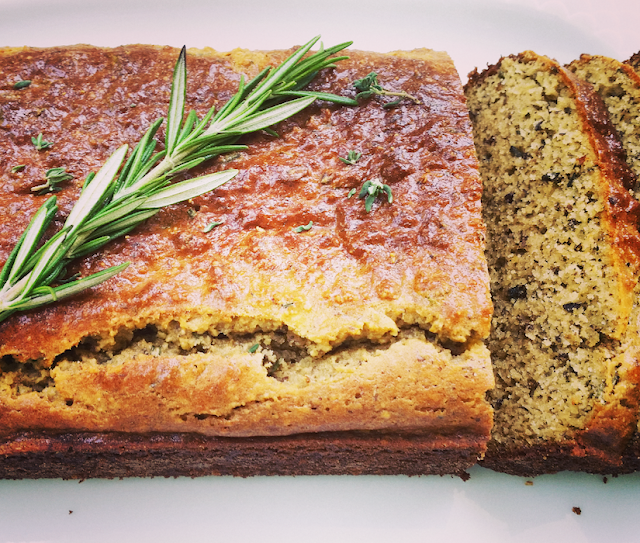
Rosemary and Thyme Loaf - Gluten Free
wouldn't mind a slice with some butter now
more details here


A variety of articles and recipe ideas are within this blog, and not all may be suitable for you. If you may have any food allergies, or underlying health issues please take these into account. If you are a diabetic and not sure how certain foods may affect your blood sugars, test is best, i.e. use your meter.

All the best Jan

Sunday, 6 January 2019

Lamb, red wine and rosemary casserole ... delicious


Once in a while you've got to spoil yourself with a special recipe and this may be the one! It's a hearty, delicious lamb casserole and if you have a son whose favourite meat is lamb, then this dish would be very well received! In fact as fast as you could say, 'Enjoy, tuck in ... it would be gone! LOL!

Serves Four
For the casserole
650g/1lb 7oz boned shoulder of lamb, cut into 2cm/¾ inch cubes
2 tbsp. plain white flour, seasoned
1 tbsp. olive oil
25g/1oz butter
1 tbsp. tomato puree
300ml/½ pint red wine
300ml/½ pint chicken and beef stock
leaves from 1 sprig of fresh rosemary, finely chopped
1 garlic clove, crushed
1 carrot, cut into 1cm/½in dice
1 onion, cut into 1cm/½in dice
2 celery sticks, cut into 1cm/½in dice
salt and
freshly ground black pepper 

For the braised red cabbage
50g/2oz butter
750g/1lb 10oz red cabbage, cored and thinly sliced
2 tbsp. redcurrant jelly
3 tbsp. red wine vinegar or sherry vinegar
1 orange, finely grated zest and juice
250ml/9fl oz. ruby port
salt and freshly ground black pepper

85g/3oz raisins 

Method - for the casserole
1. Preheat the oven to 180C/350F/Gas 4.
2. Put the cubes of lamb in a plastic bag with the seasoned flour and give the bag a good shake so that the meat becomes well coated with the flour.
3. Heat a large frying pan until very hot. Add the oil and the butter and then the lamb and fry over a high heat, stirring now and then, until all the pieces of lamb are well browned. Don't crowd the pan; cook in batches if necessary. Transfer to a casserole dish and set aside.
4. Add the tomato puree and red wine to the pan and bring to the boil, scraping up all the little bits that have stuck to the bottom. Pour this into the casserole dish and add the stock, rosemary, garlic and diced vegetables.
5. Add a little seasoning, cover with a tight fitting lid and bake for 1-½ hours or until tender. (If using a slow cooker, cook on auto for about eight hours).

6. Remove from the oven and check the seasoning. 

Method - to make the cabbage
1. Melt the butter in a large ovenproof saucepan.
2. Add the cabbage and stir to coat in the butter. Add the redcurrant jelly and stir until it is melted.
3. Add the vinegar, orange zest and juice, the port and some seasoning. Bring to the boil, cover and simmer gently for approximately one hour or cook in an oven, preheated to 160c/325F/Gas 3.
4. Stir in the raisins and bring back to a simmer. Cook gently for another 30 minutes. Check that the cabbage is tender.

Either serve straight away, keep warm in a low oven for up to one hour or cool and reheat. 

The original recipe serves it with potato stacks but I would swap these for celeriac mash


We bring a variety of recipe ideas and articles to this blog, and not all may be suitable for you. If you may have any food allergies, or underlying health issues these must always be taken into account. If you are a diabetic and not sure how certain foods may affect your blood sugars, test is best, i.e. use your meter.

All the best Jan 

Saturday, 5 January 2019

Save The Last Dance For Me - The Drifters

For this weeks 'Saturday Night Is Music Night' I'm going back to my youth. There have been so many times I've enjoyed dancing to a song by 'The Drifters'. They are one of the longest serving bands in history. Formed in 1953 and still performing in 2019. They have collated a huge catalogue of over 50 hits, selling in excess of 214 million singles and 114 million albums across the world. Since their creation, the line up of The Drifters has undergone many changes with more than 60 different singers, including icons such as Clyde McPhatter, Ben E King, Johnny Moore and Rudy Lewis. I've chosen Save The Last Dance For Me, a great oldie, who said a bit like you Jan LOL ? Hope you enjoy it, have a great Saturday Night. All the best Jan

If You Go Down To The Woods Today !

If you go down to the woods today you may just see three of our grandchildren
They all love to be out and about and if there is a tree to climb …


they're up it!


with smiles on their faces


perhaps it's also the thought of
Sausage and Bean Casserole ... so warming
see recipe details here 

All the best Jan

Friday, 4 January 2019

Salsify - 'What's that bundle of old sticks?'

Carol Wilson writes ( makes a case ) for using the neglected winter vegetable, salsify. 

"In my local supermarket I overheard two women peering at something in the vegetable aisle. 'What's that bundle of old sticks?', asked one. Her friend shook her head and they walked on. Curious, I took a look at the object in question. It was salsify!


A popular winter vegetable with the Victorians, it seems to have fallen out of favour completely. Few people know what it is, let alone what to do with it! 

Granted, it doesn't look very appealing, but I bought some (the girl on the checkout asked me what it was too!) to try on friends. Opinion was divided; not everyone liked the taste, which faintly resembles that of oyster. In fact it's sometimes called the vegetable oyster or oyster plant. 

A member of the sunflower family, the root, leaves and purple flowers of the plant can all be eaten. Don't be put off by the appearance. The root is similar to a long thin (very dirty!) parsnip, but underneath, the flesh is pearly white. I think it's very tasty - the flavour is best described as a cross between artichoke and celeriac. 

What to do with it? Well it's easy to prepare and cook. Cut off the root end and peel off the outer skin and coating. Put freshly peeled salsify into a solution of water and lemon juice to stop it browning. It can be cubed and added to soups and stews; I boiled my salsify and mashed it like parsnips, with a little cream, butter, salt and pepper. Some chefs cook the vegetable in a mixture of milk and water for a richer flavour. Don't overcook it though or you could end up with a stringy mush. Salsify can also be roasted with a drizzle of oil and perhaps some chopped herbs and garlic. Jane Grigson's Vegetable Book also has a very good recipe for salsify fritters. 

I think it's a shame that this tasty winter vegetable is so underused. I've never even come across it in restaurants."

If you've tried it, please let us know what you think, and share any ideas for salsify recipes... more in another post soon about the health benefits of this interesting vegetable.

We bring a variety of articles, studies etc. plus recent news/views and recipe ideas to this blog, we hope something for everyone to read and enjoy. Please note, not all may be suitable for you. If you may have any food allergies, or underlying health issues these must always be taken into account. If you are a diabetic and not sure how certain foods may affect your blood sugars, test is best, i.e. use your meter...

All the best Jan

Wednesday, 2 January 2019

Italian Stracciatella Soup : Low Carb / Keto

Stracciatella is a term used for different types of Italian food. Stracciatella alla romana is an egg drop soup which is popular around Rome in the Lazio region of central Italy. A similar soup, called zanzarelli, was described by Martino da Como in his 15th century manual, The Art of Cooking. Other variants exist. The soup provided the inspiration behind the stracciatella variety of gelato—a well-known milk-based ice cream infused with fine chocolate flakes that was originally created in Bergamo in northern Italy in 1962. Stracciatella is also a variety of soft stretched-curd cheese invented in Apulia that is made using a shredding technique. Stracciatella cheese is also used to make burrata, a buttery cheese enclosed in a bag of mozzarella.

This recipe suggestion is for an Italian-style egg drop soup and is one of those super simple ones which requires only a few ingredients, and a few minutes to pull together, but results in a delicious soup packed full of flavour. It makes a light lunch, but you can also add some shredded chicken if desired. The idea behind the soup is simple — you heat a large pot of stock or broth (traditionally chicken is used, however you could also use vegetable if you prefer), mix together some grated Parmesan cheese and eggs, and then slowly stir it into the hot stock. The eggy mixture quickly cooks, creating little ‘shreds’ — the word stracciatella translates to ‘little shreds'. 


Ingredients: 
Serves Four
6 cups chicken stock or vegetable stock (about 1.4 L)
1/8 tsp ground cinnamon
2 large eggs
4 tbsp. grated Parmesan cheese (20 g / 0.7 oz.)
2 tbsp. chopped flat leaf parsley
sea salt and ground black pepper, to taste
Optional: extra parsley and Parmesan cheese to serve


Step by step instructions can be found here

Dear reader - you will find a variety of recipe ideas within this blog. Please note, not all may be suitable for you. If you may have any food allergies, or underlying health issues these must always be taken into account. If you are a diabetic and not sure how certain foods may affect your blood sugars, test is best, i.e. use your meter. 

All the best Jan
Tuesday, 1 January 2019

Health Benefits of Low-Carb and Keto Diets


Kris Gunnars BSc writes:
"10 Health Benefits of Low-Carb and Ketogenic Diets

Low-carb diets have been controversial for decades. Some people assert that these diets raise cholesterol and cause heart disease due to their high fat content. However, in most scientific studies, low-carb diets prove their worth as healthy and beneficial. A low-carb diet not only causes more weight loss but also leads to major improvements in most risk factors for heart disease — including cholesterol.

Here are 10 proven health benefits of low-carb and ketogenic diets: 

1. Low-Carb Diets Reduce Your Appetite 
Summary Studies indicate that cutting carbs can automatically reduce your appetite and calorie intake. 

2. Low-Carb Diets Lead to More Weight Loss at First 
Summary Almost without exception, low-carb diets lead to more short-term weight loss than low-fat diets. However, low-carb diets seem to lose their advantage in the long term.

3. A Greater Proportion of Fat Loss Comes From Your Abdominal Cavity
Summary A large percentage of the fat lost on low-carb diets tends to be harmful abdominal fat that is known to cause serious metabolic problems.

4. Triglycerides Tend to Drop Drastically
Summary Low-carb diets are very effective at lowering blood triglycerides, which are fat molecules that increase your risk of heart disease. 

5. Increased Levels of 'Good' HDL Cholesterol 
Summary Low-carb diets tend to be high in fat, which leads to an impressive increase in blood levels of “good” HDL cholesterol. 

6. Reduced Blood Sugar and Insulin Levels 
Summary The best way to lower blood sugar and insulin levels is to reduce carb consumption, which may treat and possibly even reverse type 2 diabetes. 

7. May Lower Blood Pressure 
Summary Cutting carbs leads to a significant reduction in blood pressure, which should reduce your risk of many common diseases. 

8. Effective Against Metabolic Syndrome 
Summary Healthy low-carb diets effectively reverse all five key symptoms of metabolic syndrome, a serious condition which increases your risk of heart disease and type 2 diabetes. 

9. Improved 'Bad' LDL Cholesterol Levels 
Summary When you eat a low-carb diet, the size of your “bad” LDL particles increases, which reduces their harmful effects. Cutting carbs may also reduce the number of total LDL particles in your bloodstream. 

10. Therapeutic for Several Brain Disorders 
Summary Very low-carb and ketogenic diets are now being studied for other brain conditions as well, including Alzheimer's and Parkinson's disease. Low-carb and keto diets have proven beneficial in treating epilepsy in children and are being studied for their effects on other brain conditions. 

The Bottom Line 
Few things are as well established in nutrition science as the immense health benefits of low-carb and ketogenic diets. Not only can these diets improve your cholesterol, blood pressure and blood sugar, but they also reduce your appetite, boost weight loss and lower your triglycerides. If you’re curious to boost your health, one of these diets could be worth considering."

The above words are just a snippet from Kris's post, please read it in full here

You may also be interested in reading:
'Health Conditions That May Benefit From a Ketogenic Diet' see it here 
and
'Introduction to low-carb for beginners' see it here

All the best Jan

A Happy and Healthy New Year 2019


We wish all our readers a Happy New Year
and a
Healthy New Year


All the best
Jan and Eddie