Total Pageviews

Monday, 25 April 2016

Zucchini / Courgette another low carb and versatile vegetable.

If you’re already living the LCHF lifestyle, you will know that zucchini/courgettes are low in carbs, just 2g. carb per 100g, and they are probably high up on your must buy shopping (or growing) list. They may not pack the nutritional punch of other green vegetables (broccoli, kale etc.) but they do contain significant levels of potassium to control blood pressure and vitamin C to boost your immune system. There are so many great recipe ideas to enable you to include this great vegetable in your cooking plans. Here are just four ...

Sautéed Zucchini (courgette) with Gruyere cheese
see recipe here
Zucchini (Courgette) and Parmesan Bake

Ingredients
Serves Six
4 medium firm tomatoes sliced into 1cm / ½ inch
4 medium zucchini/courgettes sliced thinly lengthwise
salt/pepper to taste
½ cup almond flour/meal
⅓ cup grated/shredded Parmesan(or any hard aged cheese)
Read more / see cooking instructions at Libby's great site 'Ditch The Carbs' here


Spinach and ricotta lasagne with zucchini/ courgette pasta
see ingredients and details here (from an original idea here)


Winter Green Beef Casserole
Serves 2 / 3
Ingredients
.450kg casserole steak, diced
1 green pepper
1 leek, trimmed
2 (medium sized) courgettes / zucchini
mushrooms, a handful 4 - 6
salt and black pepper for seasoning
mixed herbs 
gravy / stock (of choice) about 3/4 pint (to cover meat etc)
White cabbage to accompany dish
see cooking instructions here

However, you choose to serve your zucchini / courgettes hope you enjoy some soon.
Good health.

All the best Jan

Sunday, 24 April 2016

Low cholesterol levels associated with a 528% increased risk of gastric cancer

This study was published in Scientific Reports 2016 Jan 28;6:19930

Study title and authors:

Apolipoprotein E epsilon 2 allele and low serum cholesterol as risk factors for gastric cancer in a Chinese Han population.

Kang R, Li P, Wang T, Li X, Wei Z, Zhang Z, Zhong L, Cao L, Heckman MG, Zhang YW, Xu H, Huang C, Bu G, Chen XF.
Fujian Provincial Key Laboratory of Neurodegenerative Disease and Aging Research, Institute of Neuroscience, Medical College, Xiamen University, Xiamen 361102, China.

This study can be accessed at: http://www.ncbi.nlm.nih.gov/pubmed/26817942

One of the aims of this study was to evaluate the association between cholesterol levels and gastric cancer. The study included 550 gastric cancer patients and 550 cancer free control individuals.

Regarding cholesterol levels, the study found:
(a) Those with the lowest cholesterol levels (less than 4.29 mmol/L (165 mg/dL)) had a 528% increased risk of gastric cancer compared to those with the highest cholesterol levels (more than 5.75 mmol/L (222 mg/dL).
(b) Those with the lowest HDL cholesterol levels (less than 1.08 mmol/L (41 mg/dL)) had a 499% increased risk of gastric cancer compared to those with the highest HDL cholesterol levels (more than 1.63 mmol/L (63 mg/dL).
(c) Those with the lowest LDL cholesterol levels (less than 2.71 mmol/L (104 mg/dL)) had a 54% increased risk of gastric cancer compared to those with the highest LDL cholesterol levels (more than 3.97 mmol/L (153 mg/dL).

Kang concluded: "In summary, our study confirmed the associations of lower levels of serum cholesterol with the incidence of gastric cancer."

http://healthydietsandscience.blogspot.co.uk/

Graham

How to confuse a Vegan


Heading for a safe place. Eddie 

Post-Brexit trade deal with US could take 10 years, Obama warns!

"The UK could take up to 10 years to negotiate trade deals with the US if it leaves the EU, Barack Obama has said.

In a BBC interview, the US president said: "It could be five years from now, 10 years from now before we were able to actually get something done." From the BBC here.


Why is Obama and also over this weekend Clinton making threats and spreading the doom and gloom should we leave the EU? Here is one of the reasons the TTIP agreement. 

If you cannot spare the time for the first video, the second short video gives a good basic overview as to why TTIP goes against democracy and plays into the hands of Giant Multinational Corporations. Eddie 

Chicken Thighs with Mushrooms, Shallots and Tarragon : Low Carb


Chicken is on the menu plan again. It is a meat I really enjoy using because it has a high level of good quality protein, as well as B vitamins, iron, copper and selenium. I spotted this lovely recipe idea from Elise, at Simply Recipes, and thought it one to share. She uses chicken thighs, which I think are so tasty, some lovely cremini (button) mushrooms and blends some wonderful tastes using shallots, tarragon and parsley. You can see her recipe here, along with a step by step guide which is so useful.

Tarragon


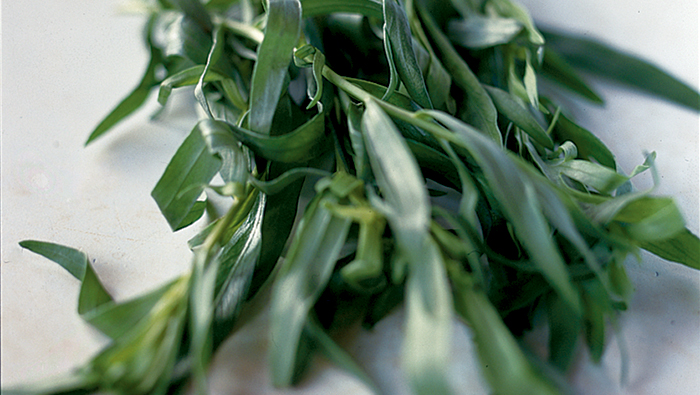
A popular and versatile herb, tarragon has an intense flavour that's a unique mix of sweet aniseed and a mild vanilla. The leaves are narrow, tapering and slightly floppy, growing from a long, slender stem. It's a key herb in French cuisine (it's an essential ingredient in sauce Bernaise), and goes very well with eggs, cheese and poultry.

Choose the best:
Go for fresh-looking leaves, with no dis-colouration or wilting. French tarragon is considered to be the best - its flavour is more subtle than the coarser Russian tarragon. Dried tarragon is also available. Or, for a ready supply, keep a pot on your windowsill, or grow in your garden or window box.

Prepare it:
Wash, then use whole sprigs or strip the leaves from the stalks and use whole or chopped.

Store it:
Fresh cut tarragon should be wrapped in damp kitchen paper, placed in a perforated bag and stored in the fridge. It will last for around 4-5 days. Dried tarragon should be kept in an airtight container in a cool, dark place - it should last for 4-6 months.

Cook it:
Use to make sauces for fish and poultry. Add to salad dressings; use to flavour butter or white wine vinegar.

Alternatives:
Try fennel.

These facts from here

I hope you may get to enjoy this lovely plate of low carb, and gluten free, food soon.
I am sure you will fall in love with its taste ...

All the best Jan

Saturday, 23 April 2016

Grace Potter And The Nocturnals - Stars

I think I've posted this but I like it enjoy.  Graham

Rick Astley - Keep Singing

Never thought I would be posting a Rick Astley video I'm not a fan but I do like his latest song

Graham

What's Going On Playing For Change Song Around The World

Another great track from the Playing For Change crew. What a great shame people from all over the world can't work together like these guys. Greed will be the end of us all. Eddie

Percy Sledge - When A Man Loves A Woman

Saturday night is music night on this blog. After a massive amount of media attention regarding the untimely death of Prince, may he rest in peace, I thought I would put this track up, far more suited to my musical taste than Prince (it's an age thing I reckon). Percy sadly passed away just over a week ago, and for me one of the all time greats RIP. Eddie

"Before his music career, Sledge worked in the cotton fields around his hometown of Leighton in northwest Alabama, before taking a job as a hospital nurse in the early 1960s.

A patient heard him singing while he worked and recommended him to record producer Quin Ivy.

The singer was inducted into the Rock and Roll Hall of Fame in 2005 and was a member of the Alabama Music Hall of Fame and the Louisiana Music Hall of Fame". More from the BBC here.


Marinated pork chops with 'bash and smash' broad beans


Why not have a smashing time - when you are preparing and cooking this lovely dish. You can 'bash and smash', or if you prefer just 'crush' the broad beans, just before serving with the lovely tasting pork chops.

Ingredients:
Serves Two
11g carbs per serving
1 tsp finely chopped rosemary
1 garlic clove, crushed
juice of ½ lemon, plus wedges to serve
2 tbsp olive oil
2 pork chops
1kg broad beans (about 300g podded weight)
a handful of mint leaves

Method:
1. Mix the rosemary, garlic, lemon juice and olive oil and season with salt and pepper. Spread over the pork and leave to marinate while you pod the broad beans.
2. Get a griddle pan/grill smoking hot, shake any excess marinade off the pork chops and griddle/grill for 3-5 minutes on each side, brushing with any extra marinade as you go. Meanwhile, bring a pan of salted water to the boil.
3. Rest the pork chops while you cook the beans for 3 minutes in simmering water. Drain and crush with a potato masher. Stir in a handful of roughly torn mint; season. Serve the smashed beans with the pork chops, a lemon wedge and an extra drizzle of oil.

Recipe idea from James Ramsden.

Some Broad Bean Facts:
A member of the legume family, broad beans are pretty hardy and adaptable - they grow in most soils and climates. They're a great source of protein and carbohydrates, as well as vitamins A, B1 and B2. In the US, they're known as fava beans.

Availability:
At their peak from the end of June to mid September. Broad beans are easy to grow in a vegetable patch or allotment.

Choose the best:
Buy broad beans as fresh as possible; pods should be firm and crisp. Avoid any that feel soft, with pockets of air inside.

Prepare it:
Broad beans should be podded, unless they are very young and tender. Put the beans in a pan, cover with boiling water, return to the boil and cook for 3-5 minutes. Then drain, empty into cold water, slit each pod along its seam and run your thumb along the furry inside to push the beans out.

To double pod - or remove the thin skin that covers each individual bean - use your nail to slit the skin, then pop out the bright green bean.

Store it:
Keep in a perforated bag in the fridge for up to five days.


Cook it:
Pod, purée and serve with a little fried garlic; parboil podded broad beans and peas, add some fried onion and serve with grilled halloumi and torn mint leaves. Top and tail very young broad beans and serve whole, in their pods, with a chunk of Pecorino and some bread.

Alternatives:
Try runner bean, French bean or flat bean.

These facts from here


I hope you enjoyed both the recipe idea and reading the facts.
Will you be trying this recipe out soon I wonder ...

All the best Jan

Friday, 22 April 2016

Ketogenic diet could help ‘starve’ tumours -- but is it safe for the general population?

A high-fat, low-carb diet that has been used to help people with epilepsy is being looked at for its potential to starve brain tumours in cancer patients.

Doctors are monitoring the case of Adam Sorensen, a Calgary teen who was diagnosed with stage 4 glioblastoma multiforme, the most aggressive form of brain cancer. Following surgery and radiation, he started the ketogenic diet two and a half years ago. His most recent brain scan in March was clean, despite the fact that his type of cancer usually recurs within 18 months.

Sorensen’s diet consists of 80 per cent fat, 15 per cent protein, and five per cent carbs.

Not to be mistaken for Atkins, the ketogenic diet is controversial when it comes to being used for weight loss.

How does it work?

Developed in 1924 by Dr. Russell Wilder at the Mayo Clinic, the diet is high in fat and low in carbohydrates and supplies adequate protein, according to the Charlie Foundation for Ketogenic Therapies.

Normally, the body uses carbohydrates (such as sugar, bread and pasta) for its fuel. With the ketogenic diet, fats become the primary fuel instead.

Ketones are formed when the body uses fat for its source of energy. According to the Epilepsy Foundation, ketones are likely one of the key mechanisms of action of the diet in people with epilepsy. Higher levels of ketones – a state called ketosis – often lead to improved seizure control.

Highlights


The kinds of foods that provide fat for the ketogenic diet are butter, heavy whipping cream, mayonnaise and oils, such as canola and olive oil.

It is more strict than the modified Atkins diet, requiring careful measurements of calories, fluids, and proteins.

Success with some epilepsy patients


Jim Abrahams, who founded the Charlie Foundation in his son’s name, says the diet worked for his child when nothing else did. Charlie started having seizures around age one; by two, he had had brain surgery and was taking various combinations of medications.

“He was having 40 to 60 seizures a day, completely loaded up on drugs,” Abrahams tellsYahoo Canada. “We sort of gave up hope.”

After he started reading about the ketogenic diet, however, Abrahams and his wife decided to give it a try. “Within two days of starting the diet the seizures were gone,” he says. “Within a month he was off all medications. We got him back.”

That was more than 20 years ago. Charlie was on the diet for about five years in total, and now continues to do well.

The Charlie Foundation is organizing the Global Symposium on Diet Therapies in Banff this September with the University of Calgary. The fifth meeting of its kind will examine the diet on epilepsy, brain cancer, autism and cognitive disorders.

Ketogenic diet and cancer


In 2012, researchers at Barrow Neurological Institute at St. Joseph’s Hospital and Medical Center found that it was possible to treat brain tumour cells in a mouse model using a combination of ketogenic diet and radiation therapy.

Cancer cells are known to use glucose to grow; however, they are not as efficient at using ketone bodies as replacement for glucose, which has led some scientists to theorize that ketogenic diet could help “starve” certain forms of cancer.

Ketogenic diet and weight loss

The high-fat, low-carb approach to losing weight – and keeping it off – remains up for debate.

Kristen Mancinelli, a registered dietitian and public health nutritionist based in L.A., says the ketogenic diet promotes more, and more rapid, weight loss than traditional low fat or low calorie diets.

“Removing carbs from your diet – bread, potatoes, sugar, cereal, and grains – causes you to drop weight fast,” says the author of the newly released The Ketogenic Diet: The Scientifically Approved Approach to Fast, Healthy Weight Loss. “You’re rarely hungry on the ketogenic diet. Many people who can’t control their hunger when carbs are in the picture find they’re quite able to stick to their keto eating plan.

“Sugar and carb cravings disappear after a couple of weeks,” she adds, “and some people experience a great freedom from ‘addiction’ to certain foods.”

Mancinelli cautions that people with diabetes, hypoglycemia, kidney disease, or other conditions that disturb metabolism should not attempt to follow a ketogenic diet. Diabetics who attempt a ketogenic diet could trigger ketoacidosis, a potentially fatal condition for them.

https://uk.style.yahoo.com/

The last paragraph suggests the dietitian need to brush up her knowledge about diabetes, a ketogenic diet has successfully been used by diabetics for many years

Graham

Sardines a Super Food - Try them in a Greek Sardine Salad


Sardines are rich in numerous nutrients that have been found to support cardiovascular health. They are one of the most concentrated sources of the omega-3 fatty acids EPA and DHA, which have been found to lower triglycerides and cholesterol levels; one serving (3.25 ounce can) of sardines actually contains over 50% of the daily value for these important nutrients. Sardines are an excellent source of vitamin B12, second only to calf's liver. Vitamin B12 promotes cardiovascular well-being since it is intricately tied to keeping levels of homocysteine in balance; homocysteine can damage artery walls, with elevated levels being a risk factor for atherosclerosis. A true super food that not only contains great nutrients is usually reasonably priced too ...

Read more on sardines at this site here


How about trying out this delicious Greek Sardine Salad recipe (bread optional)
You can find the details here.


Cheers !
 ... apologies it's not a Greek Wine

All the best Jan

Roast chicken with rhubarb


Now I feel sure there may be some among you that think you should eat the Roast Chicken first and then have the rhubarb for dessert! Well you may well be right ... but sometimes isn't it good to try something a little bit different, and you could well find that you thoroughly enjoy this dish, the rhubarb just adds a lovely fruity twist to your Roast Chicken. Why not give it a try and see what you think?

Ingredients:

(3.6g carb per serving)
6 rhubarb stalks
Juice of half an orange
1 tbsp fresh ginger, grated
40g butter, softened
1 tsp fresh thyme leaves, chopped
1 whole chicken, roughly 2kg
2 tbsp plain flour
500ml chicken stock, made with a stock cube
1 tbsp red wine vinegar


Method:
1. Preheat the oven to 180°C/gas mark 4. Cut 2 of the rhubarb stalks into 2-3cm pieces and place in a small saucepan with the orange juice and ginger over a low/medium heat. Cook for 5-10 minutes or until completely softened. Put this in a sieve over a bowl to remove excess moisture and leave to stand for 10-15 minutes or until cooled. Reserve the liquid.
2. Mix the cooled rhubarb with the butter and thyme and season to taste.
3. Lay the chicken on a baking sheet with a rim and use your fingers to loosen the skin from the breasts. Spread the butter under the skin of the breasts, reserving 1 tbsp. Cut two of the other rhubarb stalks into thirds and place in the cavity of the chicken. Roast for 20 minutes per 500g, plus an additional 20 minutes, basting regularly.
4. Half an hour before the chicken has finished cooking, cut the remaining 2 stalks of rhubarb into 3cm pieces and scatter around the chicken on the roasting tray. Spread the remaining 1 tbsp of rhubarb butter over the chicken and pour the remaining cooking juice from the stewed rhubarb over the top. Return to the oven for the remaining 30 minutes.
5. Once the chicken has finished cooking, set it aside to rest for 15-20 minutes, covered.
6. Remove the rhubarb from the roasting tin and set aside. Add the flour to the roasting tin and stir to combine it with the pan juices. Place over a medium heat and cook, stirring continuously, for 2 minutes, then add the stock very gradually to prevent lumps from forming. Use a sauce whisk to beat out any lumps. Once all the stock has been added, stir in the rhubarb from the roasting tray and the red wine vinegar and cook for a further 3 minutes until thickened. Serve with the roast chicken.

Each serving provides:
3.6g carbohydrate 1.4g fibre 46.4g protein

Original idea from here


a glass of Prosecco with this dish - what do you think?

All the best Jan

Thursday, 21 April 2016

7 High-Cholesterol Foods That Are Super Healthy

Franziska Spritzler RD CDE writes:


"For years, you’ve been told that high-cholesterol foods can cause heart disease.
However, many recent studies have shown that this isn't true.

Most of the cholesterol in your blood is produced by your liver. When you eat foods high in cholesterol, your liver produces less.

For this reason, cholesterol in the diet has only minor effects on cholesterol in the blood.

Studies also show that eating dietary cholesterol has no link to heart attacks or strokes.

What’s more, many foods high in cholesterol are also among the healthiest and most nutritious foods on the planet.

Here are 7 high-cholesterol foods that are actually super healthy:


1. Cheese
Cheese is a tasty, filling, nutrient-dense food.

Bottom Line: Cheese is a tasty, filling food that may improve heart health, promote the loss of body fat and help prevent cavities.

2. Eggs
Eggs are definitely among the most nutritious foods on earth


Bottom Line: Whole eggs are loaded with nutrients. Almost all of the nutrients are found in the yolks, which also happen to be high in cholesterol.

3. Liver
Liver is a nutrition powerhouse.

Bottom Line: Liver is packed with vitamin A, vitamin B12, protein and iron. It is also extremely high in choline, which most people don’t get enough of.

4. Shellfish
Shellfish are delicious and nourishing foods.

Bottom Line: Shellfish is a high-protein food that is rich in several nutrients that reduce disease risk, including selenium and iodine.

5. Cod Liver Oil
Cod liver oil delivers amazing health benefits in a concentrated form.

Bottom Line: Cod liver oil is rich in vitamins A, D and omega-3 fatty acids. It may provide protection from heart disease and cancer.

6. Other Organ Meats
Although liver is the most popular organ meat, others are also consumed.

Bottom Line: Organ meat, such as kidney and heart meat, is rich in many vitamins and minerals. Heart meat is also high in beneficial CoQ10.

7. Sardines
Sardines are a true super-food.


Bottom Line: Sardines are rich in several nutrients. They are very high in omega-3s, which improve heart and brain health, while fighting depression.

Take Home Message
Dietary cholesterol has only minimal effects on blood cholesterol. More importantly, it has absolutely no link with the risk of heart disease.

The truth is that most of the foods that are high in cholesterol are also super healthy and nutritious.

These foods should be embraced, not feared."

The above words and full article, with related links and information can be found here.

It's certainly a most interesting read ...

All the best Jan

Wednesday, 20 April 2016

Duck not on the menu

Called in for lunch at my local carvery yesterday and look what was waiting for me after my meal  much to the amusement of a few onlookers taking pics, I had to herd them away from my car for fear of running the ducklings over I got them to the grass verge on the car park the Duck wasn't impressed gave me a good quacking.

Graham


1.8 million page views!


A very big thank you to all the people who read our blog. A very special thank you to the people who take the time to comment. Thank you Mr. Google for giving us a free opportunity to spread the low carb message to the world. Eddie 

$3.5 million to spare? Check out Astronaut Jim Lovell's fabulous lake side home up for sale.


Retired NASA astronaut Captain Jim Lovell, portrayed by Tom Hanks in the Hollywood classic Apollo 13, has listed his gorgeous lake house for $3,500,000.

In 1970 Jim Lovell led a failed moon landing aboard Apollo 13, which became the basis of the 1995 movie of the same name.

His Texas retreat, designed and built for the spaceman and his wife Marilyn, sits on the shores of Lake Lyndon B Johnson, in Horseshoe Bay, USA.

What a great home, if only we had the money, a very special home of a very special man. Coolest dude on the planet (or off the planet) More on this story here.

Eddie

Baked figs and goat's cheese with radicchio


If you have read the recent post about Radicchio, you may just be looking for a recipe in which to give this lovely coloured 'salad' leaf a try. How about this one?

It's a fresh, seasonal starter that’s simple to make and looks pretty on the plate. However, you may also wish to enjoy it as a light snack ...

Ingredients:
Serves Six
7g carb per serving

oil, for brushing
6 figs
200g soft goat's cheese
1 head radicchio
85g walnut pieces


For the dressing
6 tbsp olive oil
3 tbsp balsamic vinegar


Method:
1. Preheat the oven to fan 160C/conventional 180C/gas 4. Unless the baking sheet is non stick, line it with foil, then brush the foil lightly with oil.
2. Cut the figs into quarters, from the top almost to the base, and arrange on the foil. Slice the goat’s cheese and arrange in the centre of the figs. Bake for 10-15 minutes until the cheese is melted and tinged brown.
3. Meanwhile, whisk the dressing ingredients with some seasoning. Put a couple of good radicchio leaves on each serving plate. Remove the figs from the oven and place on the radicchio leaves. Scatter the walnuts on top. Drizzle with the dressing and serve warm or at room temperature.

Tip:
Buying the best.
Although keen gardeners grow figs in Britain, commercial crops are imported mainly from Mediterranean countries. Unfortunately, ripe figs are highly perishable, so they are picked unripe, which may mean they lack flavour. Go for fruit with unbroken, bruise-free skins that are dry to the touch and have retained their shape. Above all, smell them – they should have the scent of the sun.

Recipe idea taken from here

Hope you enjoy it

All the best Jan

Tuesday, 19 April 2016

The Full-Fat Paradox: Dairy Fat Linked To Lower Diabetes Risk

If you melt at the creaminess of full-fat yogurt, read on.

A new study finds the dairy fats found in milk, yogurt and cheese may help protect against Type 2 diabetes.

The research, published in the journal Circulation, included 3,333 adults. Beginning in the late 1980s, researchers took blood samples from the participants and measured circulating levels of biomarkers of dairy fat in their blood. Then, over the next two decades, the researchers tracked who among the participants developed diabetes.

"People who had the most dairy fat in their diet had about a 50 percent lower risk of diabetes" compared with people who consumed the least dairy fat, says Dariush Mozaffarian, dean of the Friedman School of Nutrition Science and Policy at Tufts University, who is also an author of the study.

The study does not prove a cause and effect, but it builds on a body of evidence suggesting that dairy fat may have protective effects, both in cutting the risk of diabetes and in helping people control body weight.

"For a long time we've had this notion that saturated fat [the kind found in dairy products] is always bad for you," says Mark DeBoer, a pediatrician at the University of Virginia.

But this assumption is being questioned. As we've previously reported, DeBoer has studied the connection between dairy fat and children's body weight. And he published a surprising finding.

"It appears that children who have a higher intake of whole milk or 2 percent milk gain less weight over time" compared with kids who consume skim or nonfat dairy products, explains DeBoer.

And there's some evidence that dairy fat may help adults manage weight as well. As we've reported, researchers in Sweden found that middle-aged men who consumed high-fat milk, butter and cream were significantly less likely to become obese over a period of 12 years compared with men who never or rarely ate high-fat dairy.

So, in other words, the butter and whole-milk eaters did better at keeping the pounds off. In addition, a meta-analysis -- which included data from 16 observational studies — also found evidence that high-fat dairy was associated with a lower risk of obesity.

Researchers can't fully explain these counterintuitive findings.

It's possible that "the fat in dairy makes you less hungry to eat some other foods," says DeBoer.

And there's evidence that "when people consume more low-fat dairy, they eat more carbohydrates" as a way of compensating, says Mozaffarian.

Many high-carb foods such as cereals, breads and snacks that contain highly refined grains are less satiating and can prompt people to eat more calories.

With all the new evidence that challenges the low-fat-is-best orthodoxy, Mozaffarian says it may be time to reconsider the National School Lunch Program rules, which allow only skim and low-fat milk.

"Our research indicates that the national policy should be neutral about dairy fat, until we learn more," says Mozaffarian.


Graham

Not every day you meet a Star Wars Storm Trooper!


Well coming home from school you just do not expect to see a Storm Trooper do you! Not unless there is a Star Wars film and the DVD of it has just been released in the UK!

This is what the grandchildren saw Monday and stood happily to pose, much to the jealously of some of their friends!


It's hard to believe that, "thirty years after the defeat of the Galactic Empire, the galaxy faces a new threat from the evil Kylo Ren (Adam Driver) and the First Order. When a defector named Finn crash-lands on a desert planet, he meets Rey (Daisy Ridley), a tough scavenger whose droid contains a top-secret map. Together, the young duo joins forces with Han Solo (Harrison Ford) to make sure the Resistance receives the intelligence concerning the whereabouts of Luke Skywalker (Mark Hamill), the last of the Jedi Knights...
More about Star Wars here

Well after all the excitement it was home to a great tea ...fish, broccoli, carrots, peas and charlotte potatoes. Yum!

All the best Jan

Radicchio - some facts


Radicchio
Pronounce it: rah-dee-chee-o

An Italian relative of chicory, radicchio is a forced crop and has distinctive red and white leaves. The exact nature of its colouring depends upon how much light it has been exposed to when growing - if none at all, the contrast between the white ribs and the deep red leaves will be very strong. If it has seen some light, the white and red will be softened with patches of green or copper.

Shaped like a small cabbage, it's mainly used in salads, and its bitter flavour contrasts well with milder leaves such as rocket. The leaves themselves are tender but the heads are sturdy enough to be cut and grilled.


Availability:
All year round, and you can try growing your own from seed.

Choose the best:
Look for crisp leaves with no wilting or browning.

Prepare it:
Wash, then break the leaves off the base and leave whole or tear or shred, as desired. If grilling, wash and cut into wedges.

Store it:
Radicchio will last for around a week In a perforated bag in the fridge.


Cook it:
Quarter and grill (2-3 minutes on each side); use in salads; shred and add to creamy pasta sauces.

Alternatives:
Try chicory.

Above details about radicchio taken from here

Health benefits of Radicchio:
Radicchio, like other chicory class of vegetables, is very low in calories. 100 g fresh leaves carry just 23 calories.

The bitter principle in the radicchio is lactucopicrin (intybin), a sesquiterpene lactone. Lactucopicrin is a potent anti-malarial agent and has a sedative and analgesic (painkiller) effect.

Its leaves are an excellent source of phenolic flavonoid antioxidants such as zea-xanthin, and lutein. 100 grams leaves provide 8832 µg of these pigments. Zea-xanthin is a xanthophyll category of flavonoid carotenoid (yellow pigment) which concentrates mainly in the central part of retina in humans. Together with lutein, it helps protect eyes from age-related macular disease (ARMD) by filtering harmful ultra-violet rays.

Fresh leaves hold moderate amounts of essential B-complex groups of vitamins such as folic acid, pantothenic acid (vitamin B5), pyridoxine (vitamin B6) and thiamin (vitamin B1), niacin (B3). These vitamins are essential in the sense that human body requires them from external sources to replenish and required for fat, protein and carbohydrate metabolism.

Fresh radicchio is one of the excellent sources of vitamin K. 100 g provides about 255.2 µg or 212% of daily-recommended values. Vitamin K has a potential role in bone health by promoting osteotrophic (bone formation and strengthening) activity. Further, adequate vitamin-K levels in the diet help limiting neuronal damage in the brain. It thus, has established role in the treatment of patients suffering from Alzheimer's disease.

Further, it is also a moderate sources of minerals like manganese, copper, iron, zinc, and potassium. Manganese is used as a co-factor for the antioxidant enzyme, superoxide dismutase. Potassium is an important intracellular electrolyte helps counter the hypertension effects of sodium.

The above facts taken from here

May you be buying some radicchio soon?
Do you grow your own?

Their colour and taste can add to your recipe choices ...

All the best Jan

Monday, 18 April 2016

Can ganja use prevent diabetes?


IN 90 per cent of diabetes worldwide, the underlying cause is related to the body’s resistance to the effect of insulin, which normally acts to maintain steady blood sugar levels.

A five-year study reported in 2013, wherein some 5,000 participants were observed, the users of ganja had 17 per cent lower levels of resistance to insulin as well as 16 per cent had lower levels of insulin circulating in the blood.

Further, the study found that users of ganja had significantly lower levels of blood sugar compared to non-users.

This study, reported in the American Journal of Medicine, supports the finding that by reducing the resistance to insulin, ganja use could indeed prevent the development of diabetes.

It is now well accepted that overweight, especially that associated with large waist circumference, is both an aggravator and cause of diabetes.

DOES GANJA PREVENT OBESITY

A 2005 study on young adults found that regular users of ganja had smaller waist circumferences and decreased levels of obesity (severe overweight), and this finding was supported by the 2013 study referenced earlier.

The mechanism of action has not been fully worked out, but a study in obese rats revealed that ganja use appeared to protect the cells in the pancreas which produce insulin. These beta cells, as they are called, were demonstrated to increase in size and retained their insulin-secreting function. Note well, it is the loss of beta cells and their function that are the fundamental cause of the development of diabetes, hence these findings are of tremendous importance as the effect of ganja on diabetes continues to be explored.

GANJA AND THE DIABETES ASSOCIATED NERVE PAIN


Within 10-15 years of having diabetes, some 85 per cent of diabetic people will have nerve damage of one type or another, and the most severe form causes disabling pain. This pain is difficult to treat and gradually improves with meticulous control of the blood sugar levels.

Studies on rats reveal improvement in the pain of diabetic neuropathy, whilst varying results are being shown in humans. The extract from ganja called CBD or cannabidiol seems to be the main ingredient likely to alleviate the pain and this approach is now under investigation.

CBD significantly reduces chemicals in the blood, known as oxidants, which damage cells throughout the body. It is this action which is believed will allow ganja to alleviate a variety of problems caused by diabetes, as much of the complications of diabetes are being shown to be caused or aggravated by accumulation in the body of these oxidants.

The upcoming conference on Diabetes and Ganja will give several reports of studies on the effects of ganja on the blood sugar levels, the overweight and the alleviation of symptoms, especially the pain from damaged nerves.

The conference is being held April 28-30, at the Hyatt hotel, Rose Hall, St James, and is being hosted by the University Diabetes Outreach Programme, which comprises the University of the West Indies, Northern Caribbean University, University of Technology, Jamaica, and the Diabetes Association of Jamaica.


Graham

Recipe For a Happy Life : Live, Love, and Laugh ...


pretty in pink at 3yrs


pretty as ever

'live, love, laugh' at 4 yrs

recipe for a happy life for years to come


sometimes a black and white photo is just nice


If you are a regular reader of this blog you will know that pink is my favourite colour. Well it's also our youngest grandchild's favourite colour too... she also likes Elsa from 'Frozen' as you can see from her top!

She is just four years old and has been brought up on a lower carb lifestyle (not to the extent of myself or Eddie) but she has enjoyed whole fresh foods prepared lovingly for her by her Mum, and Dad too! Things like chicken, gammon, broccoli, carrots, cucumbers, avocados, prawns, scrambled eggs, cheese, whole fat milk, strawberries, blueberries, grapes, cherries .... the list of foods she likes is long. Things like crisps and sweets are kept to a minimum as a treat not an every day occurrence.

When growing up, as a baby, whole fresh foods were cooked, prepared, pureed as appropriate and kept in small yogurt type pots, and even in ice cube trays to be thawed and ready for use when required. Preparation has always been key, as it is in anyone's low carb lifestyle.

Whether you be young or that bit older ... it just makes sense to me to live the LCHF lifestyle, and as Eddie would say "You know it makes sense why fight it!"

All the best Jan

Sunday, 17 April 2016

Why so many dietitians have ‘HITS’ syndrome

UPDATE: If ever there were signs that HITS (Head In The Sand ) syndrome is rife among dietitians, it’s the latest anonymous statement from the Association for Dietetics in SA (ADSA) and the Nutrition Society of SA, that went out to doctors and dietitians in South Africa in March. It lays out its ongoing obsessive ‘case’ against low-carb, high-fat (LCHF) and dietary saturated fat, despite the growing body of scientific evidence to the contrary. It once again demonstrates a lack of understanding of the difference between correlation and causation. It ignores all compelling evidence contrary to its argument. It shows why it is not in the public interest for them to have the monopoly on giving dietary advice. Here, Eategrity consumer activist Sonia Mountford looks at why ADSA is becoming increasingly irrelevant in the face of advice it gives that favours Big Food and the science behind it.  – Marika Sboros 

By Sonia Mountford

Dieticians wedded to old nutrition paradigms still like to tell people all they have to do to lose weight is eat less and excercise more. Restricting the practice of nutrition to dietitians only is not in the public’s best interests, more so when the credibility of their representative body, the Association Dietetics South Africa (ADSA) compromised due to their funding by Big Food.

Yet that is what the Health Professions Council of SA (HSPCA) are seemingly supporting at the behest of ADSA, by helping to press the mute button on all other dietary advice that ADSA disapproves of.

South Africa’s health community is in desperate need of a dose of integrity and needs to acknowledge the growing awareness globally of “conventional” dietary advice being questioned due to Big Food influence.

In The Rise and Fall of Dietetics and of Nutrition Science, 4000 BCE-2000 CE, British epidemiologist Dr Geoffrey Cannon says nutrition science in its modern form dates from the early to mid-nineteenth century; it had the effect of creating dietetics as a separate paramedical profession. “The first generations of physiologists, biochemists and physicians who created nutrition science along the lines of the disciplines in which they were trained, believed they could change the world,” says Cannon.

“So they did, once governments and industry endorsed their ideas. The dimensions of nutrition narrowed but its scope widened. It became less a philosophy of life, more an instrument of state.”

Nutrition science has provided the means for dieticians to influence mainstream media dietary advice and contribute to the definition of a healthy diet for government dietary guidelines and policy.

As I have previously questioned, just how trustworthy and credible can this dietary advice be and should dietetic associations and their sponsors have input into national food guidelines?

ADSA seems to suffer from what I call “head in the sand” (HITS) syndrome: ADSA must be aware that the concerns raised over conflicts of interest by their Big Food sponsorships won’t go away by merely burying their heads in the sand. Denial of these conflicts of interest won’t afford the opportunity for reflection or critical policy changes for the better either.

This is the most concerning aspect of ADSA’s unwillingness to acknowledge the sponsorship concerns repeatedly raised. Along with their unwillingness for real dialogue, their arrogance of claiming the arena of dietary advice puts at risk progress of real solutions to our obesity and the fight against non-communicable diseases (NCD’s, such as obesity, diabetes, heart disease and cancer).

Can South African citizens afford a stronghold on this type of dietary advice? Probably not. Are dieticians and in particular, ADSA in danger of becoming irrelevant if they don’t begin to take these conflicts of interest seriously? Very probably.

HITS syndrome is not unique to ADSA. It’s pretty much a global phenomenon.

Far to long to post in full read more:  http://foodmed.net/

Graham

Bone Broth : A Beginners Guide


"Bone broth is all the rage these days in the world of nutrition and natural healthcare. Alternative cafes are proudly serving it to their customers as demand continues to grow. It is a true health tonic with an impressive list of beneficial healing properties such as improving digestion, boosting the immune system and enhancing the appearance of your skin, just to name a few. I promote it to many of my clients who want to nourish their bodies with easily assimilated / bio-available nutrients, especially during the cooler months, when it’s the peak of the cold and flu season. 

So What Exactly Is Bone Broth?
Bone broth is the result of cooking bones (ideally from grass fed animals) for a long period of time in water until they have broken down enough for the nutrients to be released. These nutrients include the well-known amino acids collagen and gelatin, as well as a wide variety of important minerals.

How Is It Used?
You can use bone broth to cook with instead of water for extra flavor, for example, I like to cook my legumes and whole grains in it, as well as making deliciously satisfying soups. I often add a splash while sautéing veggies or making purees. One of the best ways to enjoy homemade bone broth is to get cozy and sip on it like a warm cup of tea on a cold winter’s day. 


What Are The Steps To Make It?
1. Collect a bunch of bones and store them in a bag in the freezer until you are ready to make your broth. Hot tip: save any bones from your weeknight dinners, including the carcass from your weekly roast chicken.
2. When you are ready to make your broth, add the bones to a large soup pot, cover them with water, add a splash of apple cider vinegar, and bring them to a boil on the stove-top on high heat.
3. Optionally add your choice of the following for extra nutrients and flavor: bay leaf, kombu, sea salt, black peppercorns, whole dried chili peppers (or a sprinkle of crushed red peppers), ground spices such as a pinch of turmeric, dried herbs such as oregano, fresh herbs such as parsley sprigs, a couple of raw garlic cloves (peeled), and / or chopped veggies: onion, carrot, celery.
4. Once the water has come to a boil, you can reduce the heat to a gentle simmer for the next 8 hours (or longer if time permits). You will need to top up the water level from time to time as it cooks down. If you don’t feel comfortable leaving the stove-top on when you leave the house, simply turn the heat off and cover the broth with a lid. This keeps the heat in and allows the bones to continue breaking down. When you get back home you can bring the water to a boil again, and then resume the simmering process. Some people make theirs in a crock-pot / slow cooker for convenience. 
5.Once the time is up, you can strain the broth and discard the remainder of the bones. Note that the larger the bones, the longer it takes to thoroughly extract the nutrients.

How Is Bone Broth Stored?
You can store bone broth in an airtight container in the fridge for 5-7 days, or freeze it for later use (be sure to leave enough room at the top for liquid expansion)."

The article above was written by Sarah Hawthorne, pictured here, she is a Certified Health Coach who empowers people of all ages to eat and enjoy nutrient dense whole foods to nourish their body from the inside out - read more about her here


You may also like to read the article, 'Have some more Broth - It Is Good For You' ... find it here

All the best Jan