Total Pageviews

Friday, 14 September 2018

Foods That Are High in Vitamin D

Taylor Jones RD writes:
"Vitamin D is the only nutrient your body produces when exposed to sunlight. However, up to 50% of the world's population may not get enough sun, and 40% of US residents are deficient in vitamin D. This is partly because people spend more time indoors, wear sunblock outside and eat a Western diet low in good sources of this vitamin. The Reference Daily Intake (RDI) is 600 IU of vitamin D per day from foods. If you don't get enough sunlight, your intake should likely be closer to 1,000 IU per day.

Here are 9 healthy foods that are high in vitamin D.

1. Salmon
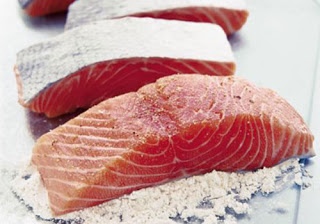
Salmon is a popular fatty fish and a great source of vitamin D.

Summary: Wild salmon contains about 988 IU of vitamin D per serving, while farmed salmon contains 250 IU, on average. That’s 165% and 42% of the RDI, respectively.


2. Herrings and Sardines
Herring is a fish eaten around the world. It can be served raw, canned, smoked or pickled. This small fish is also one of the best sources of vitamin D.
Sardines are a good source of vitamin D as well — one serving contains 272 IU, or 45% of the RDI. 
Summary: Herring contains 1,628 IU of vitamin D per 3.5-ounce (100-gram) serving. Pickled herring, sardines and other fatty fish, such as halibut and mackerel, are also good sources.

3. Cod Liver Oil 
Cod liver oil is a popular supplement. If you don't like fish, taking cod liver oil can be key to obtaining certain nutrients unavailable in other sources.
Summary: Cod liver oil contains 450 IU of vitamin D per teaspoon (4.9 ml), or 75% of the RDI. It is also high in other nutrients, such as vitamin A and omega-3 fatty acids.


4. Canned Tuna

Many people enjoy canned tuna because of its flavour and easy storage methods. It’s also usually cheaper than buying fresh fish.
Summary: Canned tuna contains 236 IU of vitamin D per serving. Choose light tuna and eat 6 ounces (170 grams) or less per week to prevent methylmercury build up.

5. Oysters

Oysters are a type of clam that lives in saltwater. They’re delicious, low in calories and full of nutrients.

Summary: Oysters are full of nutrients and provide 53% of the RDI for vitamin D. They also contain more vitamin B12, copper and zinc than a multivitamin.

6. Shrimp
Shrimp is a popular type of shellfish.
Summary: Shrimp provide 152 IU of vitamin D per serving and are also very low in fat. They do contain cholesterol, but this is not a cause for concern.


7. Egg Yolks
People who don't eat fish should know that seafood is not the only source of vitamin D. Whole eggs are another good source, as well as a wonderfully nutritious food. While most of the protein in an egg is found in the white, the fat, vitamins and minerals are found mostly in the yolk.
Summary: Eggs from commercially raised hens contain only about 30 IU of vitamin D per yolk. However, eggs from hens raised outside or fed vitamin D-enriched feed contain much higher levels.

8. Mushrooms 

Excluding fortified foods, mushrooms are the only plant source of vitamin D. Like humans, mushrooms can synthesize this vitamin when exposed to UV light. However, mushrooms produce vitamin D2, whereas animals produce vitamin D3. Though vitamin D2 helps raise blood levels of vitamin D, it may not be as effective as Vitamin D3. Nonetheless, wild mushrooms are excellent sources of vitamin D2. Commercially grown mushrooms are often grown in the dark and contain very little D2. However, certain brands are treated with UV light. These mushrooms can provide anywhere from 130–450 IU of vitamin D2 per 3.5 ounces (100 grams).

Summary: Mushrooms can synthesize vitamin D2 when exposed to UV light. Only wild mushrooms or mushrooms treated with UV light are good sources of vitamin D.


9. Fortified Foods

Natural sources of vitamin D are limited, especially if you're vegetarian or don't like fish. Fortunately, some food products that don't naturally contain vitamin D are fortified with this nutrient.
Summary: Foods such as cow's milk, soy milk, orange juice, cereals and oatmeal are sometimes fortified with vitamin D. These contain 55–130 IU per serving.

The Bottom Line
Spending time out in the sun is the best way to get your daily dose of vitamin D. However, sufficient sun exposure is difficult for many people to achieve. Getting enough from your diet alone may be difficult, but not impossible. The foods listed in this article are some of the top sources of vitamin D available. Eating plenty of these vitamin-D-rich foods is a great way to make sure you get enough of this important nutrient."

The above is only a snippet of Taylor's article.
You can read it in full, with all related research links here

We bring a variety of articles, studies etc. plus recent news/views and recipe ideas to this blog, we hope something for everyone to read and enjoy.

Please note, not all may be suitable for you.

If you may have any food allergies, or underlying health issues these must always be taken into account. If you are a diabetic and not sure how certain foods may affect your blood sugars, test is best, i.e. use your meter.

All the best Jan

Thursday, 13 September 2018

Ham and Cheese Quiche with Sun-dried Tomatoes : Gluten Free and Low Carb


Parma ham and sun-dried tomatoes go hand in hand in this beautiful rich and savoury low carb (and gluten free) quiche.

Ingredients:
Serves Six
Net Carbs per serving 10g
Pie crust
2⁄3 cup (150ml) sunflower seeds
1 tbsp. sesame seeds
2⁄3 cup (150ml) coconut flour
4 eggs
1⁄3 cup (75ml) light olive oil or melted butter
1 tbsp. ground psyllium husk powder
1 tsp salt
Filling
3 oz. (75g) shallots or yellow onions
1 tbsp. olive oil
1 tsp dried thyme
1 tsp salt
½ tsp ground black pepper
6 eggs
1 cup (225ml) heavy (double) whipping cream
7 oz. (200g) shredded (grated) cheese
4 oz. (110g) Parma ham
1 oz. (30g) tomatoes, sun-dried
Serving
7 oz. (200g) lettuce
4 tbsp. olive oil
½ tbsp. red wine vinegar

salt and pepper, to taste
Tip
You can either use a large and deep pie dish, but you can also bake it in single serving molds. You just need to adjust the baking time and keep an eye on it. In this case, you should cover with aluminium foil when you are pre-baking so the crust does not get burnt.
Dairy-free
If you want to cut down on dairy, you can substitute the cream with mayonnaise.
Recipe instructions
Can be found here

If you may be wondering 'what is psyllium husk?' have a look here

I hope you may try this recipe suggestion soon … you will find a variety of recipe ideas within this blog, and not all may be suitable for you. If you may have any food allergies, or underlying health issues please take these into account. If you are a diabetic and not sure how certain foods may affect your blood sugars, test is best, i.e. use your meter.

All the best Jan

Wednesday, 12 September 2018

It's Wednesday and Mid-Week Mix Time !

I thought ... goodness it's Wednesday already!
So welcome to my mid-week mix


some wonderful Autumn flowers


some lovely fresh vegetables


our youngest grandson with his football trophy
special moment to cherish ...


Pork Casserole Rustic Style
it's a favourite recipe, and perfect for Autumn Days after football !
see recipe here

Enjoy your day

All the best Jan

Tuesday, 11 September 2018

Allergies, Blood Sugars, Cancer, Diabetes, Dementia, Eczema and more ...

No this is not the A-Z of illnesses, and I may well be passing on information that you know and have already thought about. On the inter-net and in ‘Blogging Land’ there is so much information available - what we read, what we choose to 'take on board' is of course an individuals choice.

You may have read I am not diabetic, and I have no underlying health problems. My husband Eddie is a Type 2 diabetic. We both follow the Low Carb High Fat lifestyle and since discovering this lifestyle wouldn’t go back to our old eating habits.

Back in 2014 I discovered a lovely lady called Ilona - her story and blog struck a chord, I liked it and I shared it with you then ... and I'm sharing it with you again today. All the words below are Ilona’s and the link to her blog can be found at the bottom of this post.

Thanks for taking the time to read.

All the best Jan

"There are essential amino acids and essential fatty acids, but there is no such thing as an essential carbohydrate."
- Dr. Bernstein (Diabetes Solution)

"In reality, those who repudiate a theory that they had once proposed, or a theory that they had accepted enthusiastically and with which they had identified themselves are very rare. The great majority of them shut their ears so as not to hear the crying facts, and shut their eyes so as not to see the glaring facts, in order to remain faithful to their theories in spite of all and everything." - Maurice Arthur (Philosophy of Scientific Investigation, 1921)

Ilona’s Story:

My allergic symptoms appeared in the early 1990s. Over the years, after numerous medical tests in different countries, doctors were still unable to name my condition. The symptoms were similar to sinus infection and hay fever. The only solution was to take antihistamines and nose sprays to ease these debilitating symptoms. The side effects were: drowsiness, dizziness... A few years ago, I started to take the medicines more and more frequently, almost every day. I guess my body got used to them and their effect was not the same anymore. 

I started to be interested in nutrition when my kids developed eczema in 2001. I knew eczema was an immune disorder, and if we give the right nutrients to our body to function well, the immune system will rebalanced itself and the symptoms will disappear. After a few month on a low-fat, low-sugar (vegetables, fruits, meat, fish, whole grains) my kids got better. The symptoms almost completely disappeared within 2 month (without steroids). So I switched to this diet as well.

I was quite happy with the results as I really felt better. I never considered becoming a vegetarian as I knew about the importance of animal food in our diet. I also knew about the harmful effects of sugar. I could not stay long on a high vegetable/fruit diet as I was losing weight (muscle mass). So I went on and off, which allowed me symptom free periods without losing massive weight. When I was off the diet, I was always sick.

A few years ago I started to question conventional wisdom about nutrition, I was doing something wrong. I wanted to know more. I wanted to know how native populations avoided chronic diseases. If it's true that if I eat the right food (designed for my "species"), then I am not supposed to develop allergic symptoms, nor lose or gain weight.

In 2008, I tumbled upon the work of Dr Weston Price: Nutrition and Physical Degeneration. It gave me an insight on the health of populations transitioning from their native diet to our modern, "civilized" food. This study has been made in the 1930s and it cannot be repeated today. Everywhere around the world, we all rely on modern food... and try to fix it's consequences.

I also started to read more about biochemistry. I wanted to understand the metabolic effects of our food on our cells. I came to understand that hormones are the main regulators of energy in our body, and insulin is the only hormone responsible for storing fat in our tissues. This led me to understand more about our obesity epidemic and chronic diseases (cancer, diabetes, heart disease...) linked to this condition, and its connection to high insulin levels. My biggest inspiration was Gary Taubes (Good Calories Bad Calories). His logic and critical thinking taught me a lot about the science of nutrition... or the lack of it. 

What I've learned could explain many of my symptoms, my kids disease and many other chronic diseases in my family. I have to admit that I was wrong on the huge importance of saturated fat in our diet. Almost everything I knew about diet was wrong.

I learned that:

- From an evolutionary point of view we are designed to eat dietary fat (bone marrow, organ meat, meat, fish, butter...)
- Native populations considered fat as an important nutrient.
- Saturated fat consumption is not linked to heart disease and does not have an effect on cholesterol in our blood, but sugar does.
- A high carbohydrate and sugar diet is dangerous.
- Obesity cannot be solved by eating less and exercising more.
- Cancer growth is slowed down or reversed on a low-carbohydrate diet.
- On a high fat diet we are not hungry

... and many more.

So I gave the "caveman" diet a try. I guinea-pigged myself to see if it really worked. I cut out all starches and sugars (I reduced the amount of fruits in my diet as well) and replaced them with fat (meat, fish, eggs, organ meat, butter...). In a week my allergic symptoms disappeared completely, and today I am totally off medication.. All this after more than 20 years of suffering from this disease.

My friends and friend's friends became curious about this diet and I am very happy to share my story and what I've learned during these years. When they start eating this way, they tell me about the improvements in their body. The most I hear about is weight loss, better skin, better digestion, absence of hunger, much less allergic reactions...

I hope this blog will help other people learn more about the impact of our food on our health. “


Sorry about the picture quality - Ilona’s Blog is here

Monday, 10 September 2018

Garlic and Rosemary Cauliflower Bread : Lower Carb


Luke Hines writes:
"In my opinion, there’s nothing better than having a loaf of this bread ready to go, either served up on its own or topped with yummy eggs or generous lashings of smashed avocado.

INGREDIENTS
500g (about 1 small head) cauliflower, leaves removed and broken into 4 cm florets
¾ cup coconut oil
2 garlic cloves, finely chopped
1 red onion, finely diced
½ tsp finely chopped rosemary, plus extra sprigs to garnish
6 eggs, at room temperature, plus 1 extra if needed
¾ cup coconut flour
1 heaped tsp gluten-free baking powder
2 tsp sea salt

1 tbsp. sesame seeds 

METHOD
1. Preheat the oven to 200°C (392°F) and line a 22 cm loaf tin with baking paper.
2. Add the cauliflower florets to a saucepan, cover with water and bring to the boil. Reduce the heat to a simmer and cook for 15 minutes, or until the florets are soft, then drain and set aside to dry.
3. Melt a tablespoon of the coconut oil in a frying pan over medium heat, add the garlic, onion, and rosemary and cook, stirring regularly, for 3–4 minutes, or until the onion is caramelised and translucent.
4. Transfer the garlic, onion, and rosemary mixture to a large bowl and whisk in the eggs, then add the coconut flour, baking powder, and salt and mix well to combine, adding an extra egg if the mixture looks a little dry.
5. Using a spoon, gently stir through the cauliflower, being careful not to break up the florets as you go (these give the bread it's wonderful texture).
6. Pour the mixture into the prepared loaf tin, sprinkle over the sesame seeds and bake for 45 minutes, or until the top is golden brown and the loaf is set. To test, press down gently on the top of the loaf – if it holds its shape, it’s ready.
7. Remove from the oven and leave to cool slightly in the tin before turning out, slicing, and serving.

8. Store in an airtight container for up to 5 days in the fridge or up to 3 months in the freezer. If not eating straight away, toast under the grill for best results.


THE LOWDOWN 
Coconut flour can sometimes be a tricky ingredient to work with as it is very absorbent and different brands can vary in density. Whichever you choose, I suggest you use your intuition when cooking with it and add extra eggs or coconut oil to help moisten your ingredients if need be."
Words and picture taken from original article here

If you need help/guidance with measurement/weight conversion please see here 

Please note - a variety of recipe ideas/articles are found within this blog, and not all may be suitable for you. If you may have any food allergies, or underlying health issues these must always be taken into account. If you are a diabetic and not sure how certain foods may affect your blood sugars, test is best, i.e. use your meter. 

All the best Jan

Sunday, 9 September 2018

Slow-Braised Pork shoulder with Cider and Parsnips : One Pot Dish


Many may agree that Pork shoulder is the ideal cut for this warming one-pot! It's packed with delicious autumnal flavours and perfect served with a helping of mashed swede/rutabaga.

Ingredients
Serves 4/5
2 tbsp. olive oil
1kg/2lb 4oz pork shoulder, diced
2 onions, sliced
2 celery sticks, roughly chopped
3 parsnips, cut into chunks
2 bay leaves
1 tbsp. plain flour
330ml bottle cider
850ml chicken stock

handful parsley, chopped
To serve
Mashed swede/rutabaga - see here
Method
1. Heat oven to 180C/160C fan/gas 4. Heat the oil in a large lidded flameproof casserole and brown the meat in batches, then set aside. Fry the onions, celery and parsnips with the bay leaves for 10 mins until golden brown. Sprinkle in the flour and give a good stir, then add the pork and any juices back to the dish. 
2. Add the cider and stock so that the meat and vegetables are covered. Season and bring to a simmer, then cover and put in the oven for 2 hrs.
Serve sprinkled with parsley, also mashed swede/rutabaga
Nutritional Details
Per serving - Fat 29g Carbs 19g Protein 46g
From an original idea here


as well as enjoying this recipe, why not enjoy an Autumn walk, image from here

Please note - a variety of recipe ideas are found within this blog, and not all may be suitable for you. If you may have any food allergies, or underlying health issues these must always be taken into account. If you are a diabetic and not sure how certain foods may affect your blood sugars, test is best, i.e. use your meter.

All the best Jan

Saturday, 8 September 2018

Ruelle - Carry You ft. Fleurie

It's music night, tonight two American vocalists I confess I've never heard of but nice song and video, enjoy Graham

Apple Crumble : Perfect Autumn Dessert : The Lower Carb Way


Autumn is definitely the right season for delicious apple crumble, and I can remember my dear Mum making a wonderful variety of crumbles using fruits appropriate to the season. She made it 'the traditional' way with flour, sugar etc. which if you have a look around the many recipes available on the 'net' you will see the carbohydrate content could be anything from 65g to 90g per serving! 

Now, if you are diabetic this would have your blood sugars rising, (best avoided!) and if like me you choose to eat the LCHF way and restrict your carb intake to no more than 50g carb per day a 'traditional' crumble is best avoided! 

However, fear not, Apple Crumble - which really is a symbol of great family meals and togetherness - has a lower carb version! Yes fellow low carb blogger Julia McPhee has a 'low carb' version of this family favourite and she says ' No McPhee family gathering is complete (without her version) of Apple Crumble'.  

Ingredients: 
6 (Granny smith) apples, peeled and sliced
50g Butter
1 cup Almond meal
1 tbsp. Natvia
Optional
½ cup chopped nuts or Crunchy Grain Free Granola

Instructions:
1. Boil apples until soft in a small amount of water. Place in a baking dish.
2. Place softened butter, almond meal, Natvia, and nuts in bowl and mix together (real crumble requires mixing by hand), until well combined but still crumbly.
3. Spread over cooked apples and bake at 180 for 30 minutes or until crumble is golden brown. 4. Serve warmed with fresh cream or yoghurt.

Note that nutritional information is calculated for 1 serve of crumble and does not include cream or yoghurt.

Serves: 8
Serving size: 1
Fat: 27.3g
Carbohydrates: 14.9g
Protein: 7.1g


Recipe suggestion from Julia McPhee's blog here

If you need help with measurement and conversion please see here

There is a variety of recipe ideas within this blog, and not all may be suitable for you. If you may have any food allergies, or underlying health issues these must always be taken into account. If you are a diabetic and not sure how certain foods may affect your blood sugars, test is best, i.e. use your meter.

All the best Jan

Friday, 7 September 2018

Avocado Mojito Smoothie : Rich, Creamy and Delicious


Luke Hines says:
"This rich and creamy avocado smoothie makes good use of those phenomenally delicious detoxifying ingredients, ginger and turmeric. It’s also full of good fats and is high in antioxidants and anti-inflammatories.

INGREDIENTS
1 avocado
1 cup coconut milk
1 handful of mint leaves, plus extra to garnish
3 tbsp. filtered water, plus extra if needed
½ tsp ground turmeric or 5 mm of turmeric, finely grated
1 tsp ground ginger or 1 cm piece of fresh ginger, finely grated
¼ tsp stevia
Zest and juice of 1 lime
1 cup crushed ice

METHOD
Place all the ingredients in a food processor or high-speed blender and whiz everything together until smooth (if it’s a bit thick for your liking, loosen it up with a little extra water). Pour into glasses, garnish with extra mint leaves and serve.

THE LOWDOWN

One of the reasons mint is added to this recipe is because it is a great digestion aid, helping us better process and absorb the nutrients we take on board in all the food we eat. It can also soothe the stomach in cases of indigestion, inflammation or discomfort."
Words and picture from an original article here

If you need help with measurement/weight conversion please see here


From their heart-healthy benefits and skin-loving nutrients to their unique versatility in recipes and making snack times extra delicious, don't you just love avocados … read more about them here

A variety of recipe ideas/articles are found within this blog, and not all may be suitable for you. If you may have any food allergies, or underlying health issues these must always be taken into account. If you are a diabetic and not sure how certain foods may affect your blood sugars, test is best, i.e. use your meter.

All the best Jan

Thursday, 6 September 2018

Let's Get Tooth Brushing ... some tips on looking after our teeth !


Let’s Get Brushing
Oral hygiene might have more to do with your health than you think, with recent studies showing direct correlations between our mouth and heart disease, diabetes, kidney health, and dementia – making the relationship with your toothbrush a lot more important. As a gateway to the rest of the body, our mouth can harbour a home for nasty radicals as well as good and bad bacteria. Through the various foods, drinks, products, and medications we consume, bad bacteria can build up on our teeth making our gums prone to infection. Over time, inflammation and chemicals can eat away at the gum and cause problems not only for our mouth, but in the rest of the body as well. So how do we keep the bad bacteria in-check? By brushing of course! To understand why it is important to brush our teeth – we need to take a trip back in time, circa WWII, in America. Prior to the 1930s, a mere 7% of Americans brushed their teeth – YUCK! It wasn’t until WWII (after the subsequent release of the nylon toothbrush) that the G.I.’s were ordered to brush their teeth twice a day to keep healthy. A trend that the soldiers brought back home after the war, helping construct the foundation of oral hygiene care as we know it today. This practice followed the shift in our diets, as we evolved from hunters to gathers to grain-eaters, the radicals and starches found in the food we eat led to tooth decay. Whereas early humans, who didn’t have toothbrushes and generally had few cavities, have their diet to thank - their meals were heavier on meat and light on the carbs. Perhaps this might be food for thought when evaluating sugar-rich foods that can make their way into your everyday diet.

Brushing Habits to Quit
Here are some of the common mistakes people are brushing over when brushing, flossing, or washing their teeth.
1. Keeping Your Toothbrush For Too Long
We’ve all been guilty of favouring a toothbrush that’s been worn down to the bristle and, as you’ve probably guessed, frayed or broken bristles won’t clean your mouth properly, accumulating a bed of bacteria and food particles. The American Dental Association recommends changing your toothbrush every 3-4 months or after every season – to ensure you get the most out of your brush.
2. Not Brushing for Long Enough
Now that you’ve got yourself a new toothbrush, just make sure you brush your teeth for long enough! As a rule of thumb, anything shorter than two minutes isn’t good enough as it is important to ensure you get into every nook and cranny!
3. Brushing Your Teeth Too Hard
Although it is important to brush regularly and thoroughly - brushing your teeth is actually more of a delicate process. When brushing with too much pressure, you can actually do more harm than good because it can wear away the thin top layer of gum, leaving the tooth more vulnerable to decay.
4. When We Should be Brushing
We should be brushing our teeth at least twice a day, once in the morning and once at night. However, it is important to note, cleaning your teeth straight after you’ve had a meal might be doing more damage than cleaning. Certain foods with a high level of acidity in them can soften the enamel in your teeth. Brushing your teeth straight after eating or drinking can damage that softened enamel and can wear away the structure of your teeth. By waiting at least half an hour between eating and brushing, your saliva can neutralise the PH levels in your mouth - that will act as a coat of armour and helps your teeth harden and absorb more calcium.

How to Properly Care for Your Teeth
Although brushing and flossing is an important part of your oral health regimen, your diet, technique and the type of toothbrush you’re using can also attribute to your bright, white smile.
Diet
It should come as no surprise that good nutrition and eating habits play a key role in our oral health. We’ve been told for years that sugary foods and drinks are the kryptonite in tooth decay, as their acidic nature sits on top of the teeth wearing away enamel. While this is true, acid-producing bacteria in your mouth feasting on carbohydrates (from sugary foods or starch from bread) causes decay. Foods that cling to your teeth give the bacteria something to savour, but foods that wash away quickly are less likely to cause decay. Eating three meals a day rather than constant snacking is better for your teeth. With fewer meal times your mouth has a chance to wash away food particles with your saliva rather than having constant reintroduction of food.
Technique
The proper brushing technique is to place your toothbrush at a 45-degree angle to the gums and in a sweeping/circular motion, roll the brush away from the gumline to remove plaque and debris. It is important to brush the outer surfaces, the inner surfaces, and chewing surfaces of the teeth. But remember, you don’t need to push down hard on your brush. A light pressure is more than enough to get your teeth nice and clean.
Types of Toothbrushes
When it comes to choosing the right toothbrush, most dental professionals agree that soft-bristled brushes are best for removing plaque and debris from your teeth. Small-headed brushes are also preferable, since they can reach all areas of the mouth. Although the verdict is still out over electric vs disposable toothbrushes, a recent study found that a certain type of powered toothbrush called a ‘rotation oscillation’ toothbrush is more effective in fighting plaque than a manual brush.

By supporting your mouth and teeth with good oral hygiene practices and a healthy diet, your mouth has a better chance to support your body’s overall well-being.

Remember, if you notice any unusual changes in your mouth, make sure you book an appointment with your dentist or health professional.

Words and links taken from an article by James Colquhoun here

You may also like to read 'Take care of your teeth and gums' by NHS UK here

Dear reader, within this blog you will find a variety of articles, studies, thoughts, music and recipes! It is presented in a magazine style - we hope something for everyone. Our main focus is about the Low Carb Higher (Healthy) Fat lifestyle, LCHF for short, and you can read/find out more about that here

All the best Jan

Wednesday, 5 September 2018

Rhubarb Fool - A Delicious Dessert


A fruit fool is a classic English dessert, and the recipe suggestion here is for a Rhubarb Fool - but did you know that the rhubarb plant, with edible, long, fleshy, petioles is classified as a vegetable and not a fruit! Because it is a very versatile vegetable, and used for baking pies, cakes, muffins, breads, cookies, and more, it is often thought of as a fruit - however, rhubarb is a vegetable!

Nutritionally, it is low in calories, and this vegetable is made up of about 95% water, and is quite acidic (pH 3.1). The acid is usually well offset by the addition of sugar or sweetener when it is baked or stewed, or used as an ingredient in any recipe.
An alternative to using granulated sugar when sweetening is to sweeten it by combining it with other, sweeter foods, such as strawberries, apples, peaches, or other fruits. Or try sugar substitutes such as "Splenda" alone, for those living the LCHF lifestyle use your own preferred sweetener when making the Rhubarb Fool Dessert in the recipe shown below, this keeps the carb count as low as possible … 

Ingredients:
Serves Four
350g/12oz rhubarb
55g/2oz (sugar) equivalent sweetener of your choice
1 orange, juice only
water
150ml/¼ pint cream, whipped
1 egg white, beaten until peaked 


Method:
1. Place the rhubarb, sweetener, orange juice and enough water to cover the rhubarb in a medium pan. Boil rapidly until rhubarb is soft.
2. In a bowl, fold the egg white into the whipped cream.
3. When the rhubarb is soft, remove it from the liquid with a slotted spoon. Fold the fruit into the egg white and cream mixture. Reserve a little rhubarb for decoration.
4. Spoon the resulting fool into a tall dessert glass. Top with the reserved rhubarb and serve.

From an original recipe idea here 

Please note - a variety of recipe ideas are found within this blog, and not all may be suitable for you. If you may have any food allergies, or underlying health issues these must always be taken into account. If you are a diabetic and not sure how certain foods may affect your blood sugars, test is best, i.e. use your meter. 

All the best Jan

Tuesday, 4 September 2018

Spiced Turkey Bake - it's a little bit Moroccan !

(Recipe photograph by Mike English)

This dish from Dale Pinnock is reminiscent of both lasagne and moussaka. He says, it scratches that ‘comfort food’ itch, yet keeps the starchy carbs low … in fact the nutritional details per serving are:
Carbs 25g Fat 21g Protein 50g

Ingredients:
Serves 2/3
2 large courgettes, about 700g
1 tbsp. olive oil
1 large red onion, finely chopped
3 garlic cloves, crushed
250g turkey (thigh) mince
2 tsp ground cinnamon
1 tsp ground cumin
1⁄2-1 tbsp. harissa, depending on taste
200ml passata
a handful of chopped coriander or parsley, plus more to serve
For the topping: 
250g natural yogurt
1 large egg

1 tbsp. grated Parmesan
Recipe instructions:
1. Heat the oven to 200°C, fan 180°C, gas 6. Cut the courgettes into strips, about 5mm thick maximum. You can use a mandoline or a knife to do this.
2. Lay the courgette slices onto a foil-lined baking tray, brush both sides with 1⁄2 tablespoon olive oil, season, and then roast for 15-20 minutes. They need to be soft and golden at the edges, but not mushy.
3. Fry the onion and garlic in another 1⁄2 tablespoon of olive oil, along with a pinch of sea salt, until the onion has softened, about 5 minutes. Add the turkey mince and continue to cook for 3-4 minutes, stirring constantly until the turkey has browned.
4. Add the spices and harissa and cook for 1 minute, stirring, until fragrant, then add the passata and season. Simmer for 5-10 minutes, stirring frequently, until you get a thick sauce. Stir in the herbs.
5. Place a layer of the turkey sauce into the bottom of a medium-sized ovenproof baking dish (about 20 x 25cm), top with a layer of courgette slices, another layer of turkey, and repeat until all the turkey sauce and courgette have been used up.
6. Combine the yogurt, egg and Parmesan, some salt and pepper, and whisk. Pour over the top of the dish.

7. Bake for 20-25 minutes. The topping needs to have firmed and be a golden brown, similar to béchamel. Scatter with more herbs to serve.

Turkey is one of those tasty meats that is positively good for you. It has essential nutrients that are good for the whole family. It contains:

Protein, which nourishes every cell of your body. Protein helps build muscles and bones, so is essential for childhood development. But you may not be aware that it’s also needed to stop muscle wasting, so is crucial as you get older too.
B Vitamins, which help to unlock the energy from foods. Turkey breast is a source of vitamin B6, which helps keep your red blood cells healthy and reduce tiredness and fatigue.
Selenium, which helps keep your hair and nails healthy, it is also needed to keep your immunity topped up, and is also vital as a protection against damage to your cells and tissues.
Phosphorus, is needed for normal growth and development of bones, it also helps to release the energy from food. 

A variety of recipe ideas/articles are found within this blog, and not all may be suitable for you. If you may have any food allergies, or underlying health issues these must always be taken into account. If you are a diabetic and not sure how certain foods may affect your blood sugars, test is best, i.e. use your meter.

All the best Jan

Monday, 3 September 2018

Is a Vegan Diet Healthy ?

"Veganism v Low Carbing" - in 2018 it would seem that vegan diets may be the choice for many, but: 

"Is a vegan diet healthy? Is it more or less effective than carbohydrate restriction for management of obesity, heart disease, and diabetes? Franziska Spritzler is a dietitian who prides herself on thinking outside the box, she believes all types of diets can be embraced as long as they are healthy and meet an individual's specific nutrition needs.

However, there are several nutrients that are often lacking in a strict vegan diet.

Omega-3 fatty acids: Although walnuts, flaxseed, and chia seed are good sources of the essentail fatty acid alpha-linolenic acid (ALA), they must be converted to ecospentanoic acid (EPA) and docosohexanoic acid (DHA) found in fish and other animals. The amount of ALA needed to achieve the recommended levels of EPA and DHA is very high, the conversion is unpredictable, and the ability to convert decreases with age.

Vitamin B-12: This nutrient is essential for brain and nerve function, among many other important things, and is found only in animal products. Vegans must take oral supplements or injections to prevent deficiency.

Vitamin D: Another vitamin/hormone that does not occur in plants (although orange juice and many other foods are often fortified with it), we are only now beginning to understand how crucial to good health maintaining optimal vitamin D levels is. 

Protein: It is very difficult to get adequate protein on a vegan diet, and it's virtually impossible to do so without consuming a lot of carbohydrates. A vegan diet is by definition high in carbs because grains and other starchy plants must be consumed in various combination to supply complete protein." 

… (more to read in original article)

"There are studies suggesting that both vegan and low-carbohydrate diets can improve markers for cardiac risk. Although many regard a vegan diet as healthier because it contains less saturated fat, one of Franziska's previous posts on high-fat, low-carb diets argues that this way of eating can also promote cardiac health. 

Replacing meat, fish, dairy, and eggs with large amounts of plant proteins like rice, corn, wheat, beans and other legumes results in a large carbohydrate load, which increases insulin requirements to maintain appropriate blood glucose levels. Given that many overweight and obese people have insulin resistance, impaired glucose tolerance, or diabetes, a vegan diet would likely worsen their glycemic control and further impair insulin sensitivity.

People with Type 1 diabetes would need more insulin to cover the high amount of carbohydrates, and because smaller dosages of insulin are more predictable than larger ones, their blood sugar levels would tend to be more erratic." 

… (more to read in original article) 

"Are they (vegans) healthy? I'm not sure. It's hard for me to believe veganism can lead to optimal health given its nutritional limitations and the fact that we evolved on an omnivorous diet that was quite high in meat and fish. That being said, I believe everyone has a right to choose whatever diet they wish, and there are certainly healthier ways of practicing veganism, i.e., including lots of nuts, avocados, and other fats; consuming large amounts of vegetables, and supplementing aggressively with key nutrients, including amino acids. For my part, I will continue to promote a low carbohydrate lifestyle for reducing weight, improving blood sugar levels and cardiac health, and providing other important health benefits." 

The above words are just a snippet from Franziska's post, please read it in full here


Regular readers will know that a variety of articles/recipes are within this blog. It is important to note, not all may be suitable for you. If you may have any food allergies, or underlying health issues these must always be taken into account. If you are a diabetic and not sure how certain foods may affect your blood sugars, test is best, i.e. use your meter.

All the best Jan

A Taste of Italy - Tuscan Stuffed Mushrooms - Low Carb

Tuscany is a region in central Italy and the regional capital is Florence. Tuscany is known for its landscapes, traditions, history and artistic legacy. When it comes to Tuscan cuisine simplicity is central and in many recipes cheese, vegetables, mushrooms and fresh fruit are used. 

This 'Tuscan Stuffed Mushrooms' recipe suggestion by Taryn at 'Joy Filled Eats' is for a quick and easy side dish or appetizer which has a lot of flavour. Using sundried tomatoes, spinach, garlic, and cheese which overflows onto tender button mushrooms … they taste delicious.

I hope you may try this suggestion soon. If you do not like mushrooms why not try this recipe using courgette/zucchini boats …


Ingredients:
12 small mushrooms
1 cup frozen spinach thawed and drained
1 cup shredded mozzarella divided
4 oz. cream cheese softened
8 sundried tomatoes chopped
1 tsp garlic powder
1/2 tsp salt
Recipe instructions:
can be found here
For help with measurement/weight conversion
see here

couldn't resist sharing this beautiful picture of Tuscan fields - image from here

Please note, this blog brings a variety of recipe ideas/suggestions, and not all may be suitable for you. If you may have any food allergies, or underlying health issues these must always be taken into account. If you are a diabetic and not sure how certain foods may affect your blood sugars, test is best, i.e. use your meter.

All the best Jan

Sunday, 2 September 2018

Quick and Easy Breakfast - Scrambled Eggs in a Mug - Low Carb

Take some eggs,
they may have a funny face on …


... or they may look more like this


and turn them into this …


… scrambled eggs in a mug 

To serve one person, you need:
2 eggs
2 tbsp. double (heavy) whipping cream
salt and pepper
1 tbsp. butter 
Tips: 
Serve scrambled eggs with finely chopped chives, tuna and slices of bell pepper
 to enjoy a nutritious and quick meal! 
You can exclude the cream if you want to avoid dairy products. 
Easy recipe instructions:
are here

Eggs are one of the most nutritious foods money can buy - they are a natural source of many nutrients including high quality protein, vitamins and minerals. Eggs are naturally rich in vitamin B2 (riboflavin), vitamin B12, vitamin D, selenium and iodine. They also contain vitamin A and a number of other B vitamins including folate, biotin, pantothenic acid and choline, and essential minerals and trace elements, including phosphorus.

Please note, this blog brings a variety of recipe ideas/suggestions, and not all may be suitable for you. If you may have any food allergies, or underlying health issues these must always be taken into account. If you are a diabetic and not sure how certain foods may affect your blood sugars, test is best, i.e. use your meter.

All the best Jan

Saturday, 1 September 2018

Sleeping At Last - "Saturn"

It's music night and for tonight a sad song with an intriguing video, enjoy Graham 


 You taught me the courage of stars before you left
How light carries on endlessly even after death
With shortness of breath you explained the infinite
How rare and beautiful it is to even exist

Chicken and Pepper Cacciatore : A Tasty Dish For Autumn


Chicken's many plus points - its versatility, as well as the ease and speed with which it can be cooked - make it one of the most popular meats around. It has a high level of good quality protein, as well as B vitamins, iron, copper and selenium.

Today's recipe suggestion is for Chicken and Pepper Cacciatore. Perhaps it’s probably best to start off by saying what cacciatore actually means, which will help shed some light on the dish’s origins.

Cacciatore means “hunter” in Italian, and it is hunters who first ate this dish. In fact, it is thought that the first Chicken Cacciatore was not made with chicken at all, but with rabbit or other wild game sometime during the Renaissance period, so between the 14th and 16th centuries.

Chicken Cacciatore’s simple but delicious recipe was likely developed to satisfy the appetites of hunters who may have been on the track of a larger animal or herd of animals for several days, and who needed a tasty, filling stew that could easily be cooked outdoors to keep them going.

The spices used, such as parsley and oregano, would have also been readily available to humble hunters. An interesting fact is that contrary to popular belief, Chicken Cacciatore did not originally contain tomatoes or tomato sauce, as tomatoes were brought to Italy from the New World later than it would have been made for the first time.

When making this dish with chicken, it is more traditional to use the dark meat, not the white meat, as it contains more fat and therefore helps make a thicker, tastier sauce when cooked than lean chicken breast would...

Ingredients:
Serves Four
3 tbsp. olive oil
2 red onions, cut into wedges
3 peppers (a mix of red, orange and yellow) de-seeded and cut into chunky strips
2 garlic cloves, chopped
1.5kg (3lbs) whole chicken, jointed into 8 pieces
800g (1 1/2lb) tinned cherry tomatoes
150ml (¼pt) hot chicken stock
pinch chilli flakes (optional)
2 sprigs rosemary, plus 1 tbsp. chopped rosemary, to serve
200g (7oz) pitted Kalamata olives

small handful fresh flat-leaf parsley, chopped, to serve

Method:
1. Preheat the oven to gas 6, 200°C, fan 180°C. Heat 2tbsp oil in a large frying pan over a medium heat. Add the onions and peppers and fry for 3-4 minutes or until slightly softened. Add the garlic and fry for 1 more minute. Tip the onion and pepper mix into a large ovenproof dish, set aside.
2. Drizzle the chicken pieces with the remaining olive oil, season well, then fry in the frying pan until golden-brown all over. Put the chicken on top of the peppers and onions in the ovenproof dish.
3. Pour the tinned cherry tomatoes, stock and chilli flakes (if using) into a pan, season well and warm through over a low heat. Pour the sauce around the chicken pieces and vegetables, then add the rosemary sprigs and bake, covered with foil, for 30 minutes.
4. Remove the foil, scatter with the black olives and bake for another 15 minutes or until the chicken is cooked. Cut into a thick section of the chicken to ensure it is cooked through with no pink showing.
5. Scatter with the chopped parsley and extra chopped rosemary, then serve.

Nutritional Details - each serving contains:

Carbohydrate 18.6g Protein 63.4g Fat 21g 
Taken from an idea here

Dear reader, this blog brings a variety of recipe ideas/suggestions, and not all may be suitable for you. If you may have any food allergies, or underlying health issues these must always be taken into account. If you are a diabetic and not sure how certain foods may affect your blood sugars, test is best, i.e. use your meter.

All the best Jan