A cover of Simon and Garfunkel's sixties hit song
Graham

Please check out our website www.lowcarbdiabetic.co.uk We created and maintain this site without any help from anyone else. In doing so, we do not receive direct or indirect funding from anyone. We do not accept money or favours to manipulate the evidence in any way. Please visit our Low Carb food and recipe blog www.lowcarbdietsandrecipes.blogspot.com
Saturday, 16 April 2016

Is Tea Part Of Your Life - or do you grab a coffee first ?
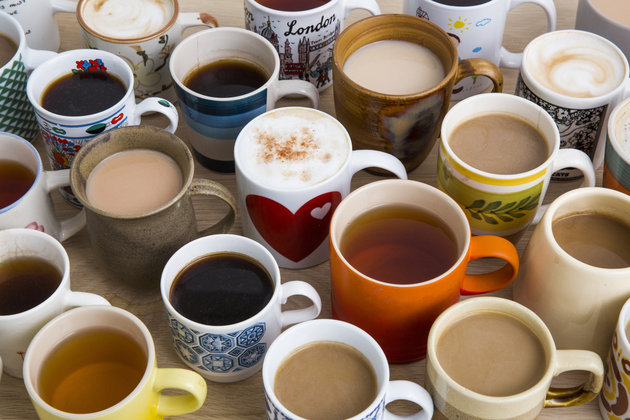
Do you know:
"Coffee Is Now Twice As Popular As Tea (And It’s A Travesty)
You need to keep tea in your life!
We Brits have always been proud of our ability to drink gallons of tea.
But now, it seems that a usurper is in the midst.
A new study has found that for every cup of tea we drink outside of our homes, we now guzzle two-and-a-half cups of coffee.
Figures released by 'The NPD Group' found that Britons drank just over two billion cups of coffee away from home between 2014-2015. This figure was up 4.3% from the year before.
Meanwhile we only drank 874 million cups of tea in the same period, a reduction of 1.8% from the year before.
Since 2010, our tea consumption has decreased by almost 19%.
It now accounts for just over one quarter of all hot beverages purchased outside of homes in Britain.
To help fight tea’s worthy cause, here are 12 great reasons to come back to the good side!
1. It’s like drinking liquid bliss
Ahhh.
2. It wakes you up first thing in a lovely kind of way
Like a warm hug, but in a mug.
3. It makes you look really British
And maybe even a bit posh, like royalty.
4. It could help you live longer
A 2015 study found that women in their 70s and 80s lived longer if they had, on average, two cups of tea per day.
5. It’s served in way prettier cups than coffee
It’s Fine China, don’t you know.
6. It goes perfectly with biscuits (and cakes) ... especially the low carb versions
A match made in heaven.
7. It comes in a gazillion flavours
Peppermint, lemon, peach, berry, you name it. There’s even chocolate-flavoured tea!

8. It contains antioxidants
These help to keep us young and protect us from damage caused by pollution
9. It has less caffeine than coffee so you can drink LOADS of it
Six cups is nothing. (see note below re caffeine)
10. It contains zero calories
Unless you have sugar.
11. It helps keep your teeth nice
A study from Newcastle University found that three cups of tea a day could provide kids with enough fluoride to prevent tooth decay.
12. It can boost your immune system
Tea contains flavonoids, which boost the immune system by stimulating the production of white blood cells."


Ahhh.
2. It wakes you up first thing in a lovely kind of way
Like a warm hug, but in a mug.
3. It makes you look really British
And maybe even a bit posh, like royalty.
4. It could help you live longer
A 2015 study found that women in their 70s and 80s lived longer if they had, on average, two cups of tea per day.
5. It’s served in way prettier cups than coffee
It’s Fine China, don’t you know.
6. It goes perfectly with biscuits (and cakes) ... especially the low carb versions
A match made in heaven.
7. It comes in a gazillion flavours
Peppermint, lemon, peach, berry, you name it. There’s even chocolate-flavoured tea!

These help to keep us young and protect us from damage caused by pollution
9. It has less caffeine than coffee so you can drink LOADS of it
Six cups is nothing. (see note below re caffeine)
10. It contains zero calories
Unless you have sugar.
11. It helps keep your teeth nice
A study from Newcastle University found that three cups of tea a day could provide kids with enough fluoride to prevent tooth decay.
12. It can boost your immune system
Tea contains flavonoids, which boost the immune system by stimulating the production of white blood cells."
Above words from here
Will you be putting the kettle on?

and enjoying a nice cup of tea

with a slice of low carb cake

it's black forest gateau - recipe information is here
Whether you may be a tea, or coffee drinker,
please take account of the amount of caffeine you may be consuming
All the best Jan
Friday, 15 April 2016
British Dietetic Association's Catherine Collins last to see the light?
"Pasta is just not the same without a delicious sauce to go with it.
And if you haven’t got the time, it’s usually your go-to dinner when you’ve got no food in the house.
But you may want to think again next time you leap for the Dolmio pasta sauce because apparently you’re only meant to eat it ‘occasionally’.
The company behind Dolmio’s pasta sauce, Mars food, is introducing a new label telling consumers its products are high in fat, salt and sugar and should only be eaten once a week." Reported here and just about every Newspaper and media outlet in the UK.

Maybe I am over reacting, but when one of the worlds largest makers of processed foods tells us to only eat one of their products once a week, I am wondering if anyone should eat the product, ever. The truth is, I have not ate any of the Mars group products in almost eight years, or any other food that comes from a factory more akin to a petro-chem plant, than the farm or the sea.
Clearly The British Dietetic Associations high profile and highly vocal dietitian Catherine Collins, does not agree with me. So many times we see dietitians promoting very poor dietary advice, until this ceases, the un-checked epidemics of obesity and the often linked type two diabetes will continue.
Eddie


Collins on twitter today
Pan-fried trout with a cucumber, apple and dill salad

Take this recipe for example, the sweetness of the apple really goes well with this strong-flavoured fish, but if you can’t find trout fillets you could use salmon instead. The capers just add an extra burst of flavour ...
Ingredients:
Serves Two
1 cucumber, peeled, halved and cut into ½cm semi-circles
Salt, to taste
1 tbsp Dijon mustard
1 tbsp fresh dill, chopped (or 1 tsp dried)
1 tbsp apple cider vinegar
2 tbsp olive oil
1 large avocado, peeled and stoned
1 apple, peeled and cored
1 shallot, finely minced
1 tbsp coconut oil or butter
2 tbsp capers
2 trout fillets
Method:
1. Place the cucumber slices in a colander, sprinkle with salt and let them sit for 10-15 minutes to draw out the excess water while you prepare the rest of the dish.
2. Make the dressing by mixing the mustard, dill, vinegar and olive oil together with a pinch of salt. Thinly slice the avocado and apple and throw into the dressing with the shallot, stirring well to combine.
3. Heat the oil or butter in a frying pan on a medium heat. Throw in the capers and stir for 30 seconds, then move them to the edges of the pan and throw in the trout, skin side down. Sprinkle over a little salt and cook for 5 minutes until the skin is crisp, then flip the fish over and cook for another few minutes or so until almost cooked through. The cooking time will depend on the thickness of the fillet, but look for golden skin, a bronzed top and flesh that is opaque all the way through.
4. Rinse the cucumber. Drain and pat dry with some kitchen paper, then mix in with the salad. Divide the salad among two plates and serve with the fish and a sprinkle of capers.
Each serving provides:
10.2g carbohydrate 2.8g fibre 29.0g protein
Original recipe idea is here

Dill is an important culinary herb that is used for its seeds and leaves It originally grew wild in Southern Europe thru Western Asia.
It was extensively used by the ancient Greeks and Romans. Remnants of the herb were found in Swiss Neolithic settlements dating back to 400BC. By medieval times its use spread to central Europe. Dill is a popular culinary herb used in Greece, Scandinavia, Germany, Central Europe, Russia, the Balkans and Romania. References to the fresh herb can be found in the writings of Roman naturalists, English clergy and German literary works in the 11th century.
All parts of the herb can be used for culinary purposes. Dill is not a common herb in Mediterranean cooking. It is known as a spice used in pickled cucumbers. In the United States they are known as dill pickles. The herb is key for the production of dill vinegar (a key cooking ingredient in some recipes). You will find it used/employed in many sour dishes, especially sauerkraut. You will find dill used in lemon sauces for fish, yogurt, sour cream, salad dressings, spinach dishes, chicken and lamb casseroles. Because of its delicate nature most chefs add the fresh herb to their hot recipes just prior to removing from the heat source.
I think this is a lovely recipe and the use of dill just compliments it. Indeed some may say it's great food, and they wouldn't be wrong. I wonder would you also serve this dish with a glass of chilled white wine, or perhaps a S.Pellegrino?
Bon Appetit
All the best Jan
Thursday, 14 April 2016
Dr. Stephen Phinney - 'The Case For Nutritional Ketosis'
Published on Mar 31, 2016
Dr. Phinney is a physician-scientist who has spent 35 years studying diet, exercise, fatty acids, and inflammation. He has published over 70 papers and several patents. He received his MD from Stanford University, his PhD in Nutritional Biochemistry from MIT, and post-doctoral training at the University of Vermont and Harvard.
Graham
Avocado, Bacon and Goat-Cheese Salad

Ingredients:
4 servings
8 oz. (225 g) goat cheese
8 oz. (225 g) bacon
2 avocados
4 oz. (110 g) walnuts
4 oz. (110 g) arugula/ rocket lettuce
Dressing
½ lemon, the juice
4 oz. (110 ml) homemade mayonnaise
4 oz. (110 ml) olive oil
2 tablespoons heavy whipping cream
2 tablespoons heavy whipping cream
See instructions for Anne Aobadia's dish at Diet Doctor Site here
Avocados are just a great fruit, yes they really are a fruit!
1. They fit all diets!
No matter what eating guidelines you follow, the humble avocado works for all!
2. They're nutrient dense
Avocados are packed with beneficial nutrients to enhance the nutrient quality of your meals.
3. Avocado makes an awesome spread
Substitute butter and margarine for a healthy spread of avocado. You'll boost your nutrient intake, and it tastes great!
4. Boost your fruit intake!
Not much of a sweet tooth? Avocados are actually a fruit, so they count towards your fruit intake!
5. You'll never need a substitute
Avocados are always in season so you can enjoy them all year round!
6. They're super versatile
Known for guacamole, dips, and other savory dishes, yet avocados are appearing more and more in sweet dishes too. Think chocolate mousse, ganache, smoothies and ice cream!
7. They're low in sugar
They may be a fruit, but they contain less than 1g of sugar per ounce!
8. Avocados make great baby food!
They're firm enough for tiny fingers, yet mashable and soft enough to be gentle on gums. Rich in healthy fats, fiber, and other nutrients, it makes a great addition to your baby's first foods.
9. They're full of healthy fats
Over 75% of the fat content in an avocado is great for your heart! In fact, having more of these healthy unsaturated fats is better for your heart than eating low fat!
10. Avocado boosts your eye health
Avocados contain 81mg of lutein & zeaxanthin, antioxidants known to support eye health as we age."
Well the paragraph above stated 20 healthy reasons so if you've read this far please go and read numbers eleven to twenty here
Happy and Healthy Eating !
All the best Jan
Beef and Porcini Stew with Rosemary, Tomato and Chianti : Low Carb

I'll leave the decision to you dear reader.
Ingredients:
Serves 12 - amend as required
5.3g carbohydrate per serving
Ingredients:
Serves 12 - amend as required
5.3g carbohydrate per serving
100 g dried porcini mushrooms
3 tbsp olive oil
2 kg braising steak, cut into cubes
5 sticks celery, finely chopped
3 red onions, finely chopped
1 clove garlic, sliced
1 tbsp chopped rosemary
2 x 400g tins chopped tomatoes
375 ml red wine, such as Chianti
Method:
1. Put the dried mushrooms in a bowl and cover with about 350ml boiling water. Set aside to soak.
2. Meanwhile, heat ½ tablespoon of the oil in a heavy-based casserole. Season the beef with salt and pepper. Brown the beef in 4 batches using ½ tablespoon of oil for each one. Remove from the casserole and set aside.
3. Heat the oven to 160°C, fan 140°C, gas 3. Add the remaining tablespoon of olive oil to the casserole with the celery, onion, garlic and rosemary, and soften for 5 minutes.
4. Drain the mushrooms through a fine sieve over a bowl to ensure there is no grit and reserve the soaking liquor. Add the soaked mushrooms and the soaking liquor to the casserole. Bring to the boil and simmer until the liquid has reduced by half, then add the chopped tomatoes and red wine.
5. Return the beef to the casserole, season and bring to the boil, then reduce to a simmer. Cover with a lid and transfer to the oven for 2 hours, until the meat is completely tender. Season to taste and serve.
Get ahead: make up to 2 days ahead, cool, cover and chill. Can also be frozen.

looks like the guests may be enjoying the Chianti already ...
Buon Appetito
All the best Jan
All the best Jan
Wednesday, 13 April 2016
The Healthiest Old Person on the Planet Explains How to Stay in Shape.

96 year old Charles Eugster
What do you eat to stay in shape?
Variety is key. I start every day with a protein shake because, as you get older, your protein synthesis no longer functions as well. I avoid sugar and eat lots of meat, especially fat. I've been on a fat trip lately. Fat! Piles of fat. Yet, I was in a supermarket the other day and was perplexed to find yogurt with zero fat. What on earth is that? The idea of the nutrition pyramid where, at the top, is a little fat and meat, and at the bottom a lot of carbohydrates, is, excuse me, bullshit. Humans are so unbelievably stupid that we have begun to tinker with food. Our theories of nutrition have resulted in a pandemic of obesity. Can you imagine a hunter-gatherer enjoying a low-fat yogurt? Let me tell you this, too: I read a report recently which said that a fatty diet also increases your libido.
More on this story here.
Eddie
Healthy Snack Anyone - here are 29 - that can help you lose weight

Cherry Tomatoes with Mozzarella See number 11
These words taken from an article by Franziska Spritzler RD CDE
(link to her full article, and related information, is given below)
"Sometimes you simply get too busy to prepare and eat a healthy meal. Having some healthy snacks on hand can be useful when this happens. Here are 29 healthy and weight loss friendly snacks to add to your diet.
1. Mixed Nuts
2. Red Bell Pepper with Guacamole
3. Greek Yogurt and Mixed Berries
4. Apple Slices with Peanut Butter
5. Cottage Cheese with Flaxseeds and Cinnamon
Cinnamon Flax-seed Pudding
Ingredients:
1/2 cup cottage cheese.
1 tablespoon flaxseeds.
1/2 teaspoon cinnamon.
Stevia or other sweetener, if desired.
Directions:
Mix all ingredients together in a small bowl.
6. Celery Sticks with Cream Cheese
7. Kale Chips
Kale Chips
Ingredients:
1 cup bite-sized kale leaves.
1 tablespoon olive oil.
1/2 teaspoon salt.
Directions:
Mix all ingredients together in a bowl. Place kale pieces on a parchment-lined baking sheet and bake at 350° F (175° C) for 10–15 minutes.
8. Dark Chocolate and Almonds
9. Cucumber Slices with Hummus
10. A Piece of Fruit
11. Cherry Tomatoes with Mozzarella
12. Chia Seed Pudding
Chia Seed Pudding
Ingredients:
1 tablespoon chia seeds.
1/3 cup water.
1 tablespoon cocoa powder.
1 tablespoon peanut butter.
Stevia or other sweetener, if desired.
Directions:
Combine chia seeds and water in a small bowl. Cover and refrigerate for at least 30 minutes. Stir in cocoa powder, peanut butter and sweetener.
13. Hard-Boiled Eggs

14. Baby Carrots with Blue Cheese Dressing
15. A Piece of Cheese
16. Healthy Beef Jerky or Beef Sticks
Look for jerky and beef sticks made from grass-fed beef and salt, with as few ingredients as possible. Grass-fed beef contains more healthy omega-3 fatty acids than grain-fed beef
17. Whey Protein Shake
18. Canned Salmon or Sardines
19. Edamame

20. Marinated Artichoke Hearts
21. Pear Slices with Ricotta Cheese
22. Dried Unsweetened Coconut
23. Turkey Roll-Ups
Turkey Roll-Ups
Ingredients:
4 slices turkey breast.
4 teaspoons cream cheese.
4 pickles or cucumber strips.
Directions:
Place turkey breast slices on a large plate. Spread 1 teaspoon of cream cheese on each slice. Place a pickle or strip of cucumber on each turkey slice and roll up.
24. Olives
25. Spicy Avocado
26. Ricotta Cheese with Cocoa Powder
Ricotta Cheese with Cocoa
Ingredients:
1/2 cup full-fat ricotta cheese.
1 teaspoon unsweetened cocoa powder.
Stevia or other sweetener, if desired.
Directions:
Place ricotta cheese in a small bowl. Sprinkle with cocoa powder and stevia.
27. Sun-Dried Tomatoes
28. Cantaloupe Slices Wrapped in Prosciutto
29. Last Night’s Leftovers
If you have any leftovers from healthy meals you ate the previous day, you can eat some of those leftovers as a snack.
Just make sure to always store your leftovers in the refrigerator to keep them from spoiling quickly.
Take Home Message
Sometimes you just really need a snack.
Having some healthy and nutritious options close by can help you avoid unhealthy and fattening alternatives."

We try and bring a variety of recipe ideas to this blog, and not all may be suitable for you. If you may have any food allergies, or underlying health issues these must always be taken into account. If you are a diabetic and not sure how certain foods may affect your blood sugars, test is best, i.e. use your meter.
All the best Jan
1. Mixed Nuts
2. Red Bell Pepper with Guacamole
3. Greek Yogurt and Mixed Berries
4. Apple Slices with Peanut Butter
5. Cottage Cheese with Flaxseeds and Cinnamon
Cinnamon Flax-seed Pudding
Ingredients:
1/2 cup cottage cheese.
1 tablespoon flaxseeds.
1/2 teaspoon cinnamon.
Stevia or other sweetener, if desired.
Directions:
Mix all ingredients together in a small bowl.
6. Celery Sticks with Cream Cheese
7. Kale Chips
Kale Chips
Ingredients:
1 cup bite-sized kale leaves.
1 tablespoon olive oil.
1/2 teaspoon salt.
Directions:
Mix all ingredients together in a bowl. Place kale pieces on a parchment-lined baking sheet and bake at 350° F (175° C) for 10–15 minutes.
8. Dark Chocolate and Almonds
9. Cucumber Slices with Hummus
10. A Piece of Fruit
11. Cherry Tomatoes with Mozzarella
12. Chia Seed Pudding
Chia Seed Pudding
Ingredients:
1 tablespoon chia seeds.
1/3 cup water.
1 tablespoon cocoa powder.
1 tablespoon peanut butter.
Stevia or other sweetener, if desired.
Directions:
Combine chia seeds and water in a small bowl. Cover and refrigerate for at least 30 minutes. Stir in cocoa powder, peanut butter and sweetener.
13. Hard-Boiled Eggs
15. A Piece of Cheese
16. Healthy Beef Jerky or Beef Sticks
Look for jerky and beef sticks made from grass-fed beef and salt, with as few ingredients as possible. Grass-fed beef contains more healthy omega-3 fatty acids than grain-fed beef
17. Whey Protein Shake
18. Canned Salmon or Sardines
19. Edamame
21. Pear Slices with Ricotta Cheese
22. Dried Unsweetened Coconut
23. Turkey Roll-Ups
Turkey Roll-Ups
Ingredients:
4 slices turkey breast.
4 teaspoons cream cheese.
4 pickles or cucumber strips.
Directions:
Place turkey breast slices on a large plate. Spread 1 teaspoon of cream cheese on each slice. Place a pickle or strip of cucumber on each turkey slice and roll up.
24. Olives
25. Spicy Avocado
26. Ricotta Cheese with Cocoa Powder
Ricotta Cheese with Cocoa
Ingredients:
1/2 cup full-fat ricotta cheese.
1 teaspoon unsweetened cocoa powder.
Stevia or other sweetener, if desired.
Directions:
Place ricotta cheese in a small bowl. Sprinkle with cocoa powder and stevia.
27. Sun-Dried Tomatoes
28. Cantaloupe Slices Wrapped in Prosciutto
29. Last Night’s Leftovers
If you have any leftovers from healthy meals you ate the previous day, you can eat some of those leftovers as a snack.
Just make sure to always store your leftovers in the refrigerator to keep them from spoiling quickly.
Take Home Message
Sometimes you just really need a snack.
Having some healthy and nutritious options close by can help you avoid unhealthy and fattening alternatives."
Please do go and read the full article by Franziska and its related links here

French brie and Italian sun dried tomatoes in olive oil
(see number 24)
I wonder have you a favourite healthy snack ...
All the best Jan
Tuesday, 12 April 2016
Swapping saturated fat for vegetables oils doesn’t reduce risk of heart disease, study suggests
Replacing saturated fats with vegetable oils rich in linoleic acid does not reduce the risk of heart disease or help people live longer despite lowering their blood cholesterol, a study suggests.
Although many studies support the theory that swapping saturated fat for vegetable oils rich in linoleic acid cut cardiovascular deaths by lowering blood cholesterol levels it has never been casually demonstrated in a randomised controlled trial, said researchers.
The team led by Christopher Ramsden from the National Institutes of Health and University of Carolina re-examined data from the Minnesota Coronary Experiment, a large randomised controlled trial which followed 9,423 residents of one nursing home and six state mental hospitals for four and a half years from 1968.
While people on the study diet swapped saturated fat for the oils rich in linoleic acid the control group ate a diet high in saturated fat.
Their research published in the British Medical Journal (BMJ) found that replacing saturated fat with linoleic acid – such as corn, sunflower, safflower, cotton seed or soybean oils – lowered serum cholesterol but did not lead to a lower risk of death from coronary heart disease.
Instead, paradoxically trial participants who had greater reductions in their serum cholesterol had a higher, rather than a lower risk of death.
The researchers said that although limited the evidence from the randomised trials showed “no indication of benefit on coronary heart disease or all cause mortality from replacing saturated fat with linoleic acid rich vegetable oils.”
They said one reason why the reduction in serum cholesterol did not lead to improved outcomes was that replacing saturated fat with linoleic acid decreases low density lipoprotein which is “often thought a causal mediator of coronary heart disease”.
High intakes of linoleic acid could also have adverse effects on people who are prone to linoleic acid oxidation, such as heavy smokers or drinkers and older people.
Researchers also pointed out that linoleic acid mainly comes from highly concentrated vegetable oils used in cooking, frying and heavily processed food in modern diets and is much higher than the amount consumed in “natural diets” without any addition of oil.
The full study can be accessed here: http://www.bmj.com/
Graham
Why the average American's standard of living is plummeting !
I should say at this stage, it is exactly the same in the UK and most other countries. This video well worth your time. Eddie
Chargrilled Mediterranean Vegetable and Pepper Platter

Of course fresh is best but there are times when it is handy to have some frozen vegetables (or tinned) handy just in case ...
This recipe idea comes from Sainsburys so of course highlights their frozen vegetable range, but I'm sure at a supermarket near you ... similar packets are available.
So how about a dish of grilled vegetables topped with grated cheese, it can make a delicious vegetarian starter ... or of course you could increase the amount and enjoy as a light lunch ... the possibilities are endless.
Ingredients:
Serves Four
400g frozen chargrilled Mediterranean vegetables
400g frozen mixed peppers
2 tsp frozen chopped garlic
1 tbsp olive oil
25g Italian hard cheese, grated
Method:
1. Preheat the grill to high and line the grill pan with foil.
2. In a bowl, toss together the chargrilled vegetables, mixed peppers, garlic and oil. Transfer to the prepared grill pan and grill for 10 minutes, stirring halfway through cooking.
3. Transfer to a serving platter and serve scattered with the grated cheese.
Each serving provides:
6.6g carbohydrate 7.6g fibre 4.6g protein
Sshh I'll not tell anyone it's a cheats dish - will you?
All the best Jan
Monday, 11 April 2016
Scientists studying effect of ketogenic diet on brain cancer
Scientists are tracking the effects of a high-fat, low-carbohydrate diet for its potential to starve brain tumours and treat cancer patients.
The ketogenic diet was developed in the 1920s to help people with epilepsy. It works by forcing the body to burn fats rather than carbohydrates. Normally, the body converts carbohydrates into glucose. But a low-carbohydrate diet causes the body to convert fat into fatty acids and ketone bodies; the latter acts as a replacement for glucose. High levels of ketone bodies are associated with reduced seizure frequency.
It is theorized that the ketogenic diet could be used to "starve" some forms of cancer. Cancer cells use to glucose to grow, and they’re inefficient at using ketone bodies for energy
So far, the diet’s effects on cancer cells has only been examined in animals and noted only anecdotally in human cases. A 2012 study on mice found that the ketogenic diet "significantly enhances" the anti-tumour effect of radiation.
Dr. Jong Rho, head of pediatric neurology at the Alberta Children's Hospital, previously used the diet to treat patients with epilepsy and was part of the 2012 study.
Rho has also been monitoring the case of 15-year-old Adam Sorenson. More than two years ago, the Calgary teen was diagnosed with Stage 4 glioblastoma multiforme, the most common and aggressive form of brain cancer. The average time of survival after diagnosis is 12 to 15 months.
Following Adam’s diagnosis, doctors performed surgery to remove a baseball-sized brain tumour. Sorenson then received radiation treatment. Chemotherapy was an option, but tests suggested he might not benefit.
With few options left on the table and a real chance the cancer would return, Sorenson's parents did some research and put their son on the ketogenic diet.
"You feel pretty helpless as a parent," said Brad Sorenson, Adam's father.
"You are waiting for the tumour to reappear and that is when I thought, 'What can I control? What can I do?' And I started looking into diet."
With little to lose, Sorenson's parents hired a dietician to make a food plan. The goal was to make his diet 80 per cent fat, 15 per cent protein and five per cent carbs.
"Do you prefer to not eat candy or survive cancer? I prefer to do whatever it takes to stay alive," Adam said.
The teen has been on the diet for two and a half years. His most recent brain scan in March was clean, despite the fact that his type of cancer usually recurs within 18 months.
Rho is intrigued but remains cautious about the results.
"Adam has done quite well," said Rho. "We have been following him every several months to make sure there isn't a recurrence of the cancer.”
"If you were to meet him on the street you would never know he had the diagnosis to begin with."
And Rho cautions patients against trying the diet on their own.
"We certainly don't want to communicate to families that diet is a replacement to existing therapies – it is not," he said.
"It could be an adjunctive treatment in patients who have various forms of cancer. (They) should adopt current standards of care which involve a combination of surgery, chemotherapy and radiation."
Traditional treatments for brain cancer include: neurosurgery, radiation therapy and chemotherapy. Despite these efforts, the survival rate for some brain tumours ranges between eight months to less than two years.
Rho said research on dietary treatments has been neglected over the years, so there is a need for further study to determine whether they can be an effective way to manage or cure cancer.
"While the anecdotal evidence is quite compelling, obviously we need more rigorous and controlled studies to find out if diet can be an effective option for patients with various forms of cancer," he said.
In light of Sorenson's recovery, his father has become an advocate for more research on the treatment.
"Nobody survives. There is no hope with this disease, and so I get calls from people who are trying and failing and get desperate," said Brad Sorenson, adding he doesn’t want to give people “false hope that this diet will pull people back from the brink.”
There is also more evidence potentially on the horizon.
Researchers in Phoenix, Ariz., are hoping to put 40 patients with newly diagnosed glioblastoma on the ketogenic diet, in addition to chemotherapy and radiation, and track their progress.
"The beauty of this the ketogenic diet has been used for a very long time to treat epilepsy, especially kids who don't respond to medication," said Adrienne Scheck, professor of neurobiology at the Barrow Neurological Institute in Phoenix.
But getting funding for the treatment has been a challenge.
"There is no financial incentive. There is no drug company that will help support this, so getting it funded is difficult," said Scheck.
Scientists from around the world are also set to gather in Banff this fall for the Global Symposium on Ketogenic Therapies.
Graham
Dr Aseem Malhotra : The Great Statin Con?
It’s time to stop buying into the great statin con, says Dr. Aseem Malhotra. The benefits have been greatly exaggerated and the side effects have been downplayed, as our knowledge is completely based on studies from the statin industry.
Side effects include muscle pain, weakness, feeling tired, and slightly reduced IQ. Also, for every one hundred people taking statins for a few years one extra person will develop diabetes type 2.
Apparently newer and more rigorously controlled studies (after 2006) on statins show overall no significant benefit at all.
Considering all this statins should probably only be prescribed to people at very high risk of heart disease (usually only people with pre-existing disease). Certainly not to a large part of the healthy population.
This article seen in Diet Doctor and on Huffington Post
Do please click on the green links above and read more, the Huffington Post link contains Dr Malhotra's full article ...
All the best Jan
British Dietetic Association celebrate 80 years of poor advice.

Trust that bunch of starch and sugar munchers to come up with this monstrosity. As the world begins to realise how much damage sugar is causing, the BDA issue the above photograph. To be fair to the BDA they at least appear to be poisoning themselves, judging by the number of obese dietitians they have on the payroll. 
Eddie
Back to school ... and growing up
Yes, for many today it's back to school time! Although the teachers among you may be counting down the number of 'get-up' days to the next holiday! The children will be wishing they had more time to play, or to watch Children's TV or to spend more time on computer games etc. as they scramble to eat breakfast, get their school uniforms on, and off out the door they go! Certainly the days, weeks, months and years keep turning - and each new day provides us with memories. As we get older those memories seem to get more precious, and I often think, thank goodness for photographs, so nice to hold a photograph in your hand as you reminisce those wonderful times enjoyed. Yes, these days many photographs are housed on our computers but we can still take time to enjoy them ...
So as our grandchildren go off to school today, some at senior school others still at pre-school I am indulging in some photo sharing ...

I do not know what was so fascinating on the ground, it certainly held their attention

what can be more enjoyable - a bike ride

I'm sure he was a friendly 'monster' - grandson stood quite happily to have his photo taken

an early fishing trip with Grandad - more to come this summer I think

Grandma this would make a lovely fairy house - especially as it's pink!

grandson having fun at Cowboy Town

youngest grand-daughter looking pretty as a picture and not at 'big school' 'til the Autumn
Happy days, happy times ...
and now I must think of something they may like to eat...

Well it wouldn't be me without mentioning fresh food ... LOL!
Have a great Monday and a happy week ahead
All the best Jan
Sunday, 10 April 2016
Courgette / Zucchini Walnut Salad

Ingredients:
4 servings
2 courgettes / zucchini
1 tablespoon olive oil
Salt and pepper
1 head of romaine lettuce
4 oz. (100 g) arugula (rocket) lettuce
1⁄3 cup (80 ml) finely chopped chives or scallions (spring onions)
¾ cup (180 ml) walnuts or pecan nuts, chopped
Dressing*
6 teaspoons olive oil
¾ cup (200 ml) homemade mayonnaise
1 garlic clove
½ teaspoon salt
¼ teaspoon smoked chili powder, for example chipotle
Tip!
*Be clever and make a double batch. The dressing goes great with other salads and as a cold sauce with meat or fish. It will keep at least 5 days in the refrigerator.'
This recipe idea with full instructions can be found here
It is interesting to note that some of the greenery in the above recipe is provided by using wild rocket which is sometimes known as Arugula. Now we all know that salad greens are healthy, and that most are very low in calories. However, did you know that not all give you a good dose of nutrients... well Arugula/ Rocket is one leafy green vegetable that stands out as a rich source of many vitamins and minerals.
Consider the difference between iceberg lettuce and arugula/rocket:
Arugula contains about eight times the calcium,
fives times the vitamin A, vitamin C and vitamin K,
four times the iron as the same amount of iceberg lettuce.
The choice is easy... start with arugula/rocket for a healthier salad!
If you would like a little more information about walnuts, use this link here
Many thanks for reading, and I hope you may enjoy this wonderful low carb green salad soon.
All the best Jan
Saturday, 9 April 2016
Motherland - Natalie Merchant
In complete contrast to my previous post a song from Natalie Merchant formerly a singer with 10,000 Maniacs, enjoy
Graham
Graham
Craig Armstrong - Hanging Escape
I only discovered this guy yesterday, this is from the film Plunkett and Macleane, a film about a couple of 18th century highwaymen. Makes you wonder what sort of score Craig Armstrong would write for a re-make of Ben Hur or the like. Check this track out, it's EPIC. Eddie
Righteous Brothers - Unchained Melody
This is from the days to have hit records you had to able to sing, rather than issue soft porn videos to push mediocre music. Eddie
Sherrie Lea - No ordinary love
Saturday night again and music night. This is a cover of the Sade hit, usually covers never match the original, but I prefer this. Eddie
Saturday Cocktails : What May Be Your Choice : 'BGT' or 'The Voice'
Well as Saturday Night looms here in the UK we have 'The Voice' finals and also the first week of 'BGT' on our mainstream TV. For some it's a must watch for others it's a big switch off. Perhaps to help your Saturday evening along you may enjoy a cocktail ... no I'm certainly not encouraging you to partake of an alcoholic drink, in fact you may prefer a good old cup of tea! As always dear reader the choice is yours ...

Method


Ingredients:
70ml/2fl oz vodka or gin
1 tbsp dry vermouth
2 tbsp olive brine
1 wedge of lemon
1 green olive
1 green olive
Method
Pour the vodka, dry vermouth and olive brine into a cocktail shaker with a handful of ice
shake well
Rub the rim of a martini glass with the wedge of lemon.
Strain the contents of the cocktail shaker into the glass and add the olive.

Ingredients:
50ml/2fl oz gin
35ml/1½fl oz strong cold Earl Grey tea
20ml/¾fl oz lemon juice
12.5ml/½fl oz sugar syrup (sold as 'gomme' syrup)
½ free-range egg white
twist lemon peel, to garnish
Method:
Place the gin, Earl Grey tea, lemon juice, sugar syrup and egg white into a cocktail shaker
shake well
Double strain the liquid into a Martini glass and garnish with a lemon twist.

Talking of earl grey, you may simply prefer a cup of tea ... or coffee

or indeed a refreshing glass of this
Whatever your Saturday night drink maybe, why not enjoy a glass (or cup) with
Saturday Night is Music Night later ... right here on this blog!
I wonder what the music choices may be ...
All the best Jan
Subscribe to:
Posts (Atom)