Total Pageviews

Monday, 13 September 2021

Mondays Starter For Ten !

As regular readers know, this blog brings a variety of articles, studies, thoughts, recipes and more! It is presented in a magazine style - we hope something for everyone. Our main focus is about the Low Carb Higher (Healthy) Fat lifestyle, LCHF for short, and you can read/find out more about that here

But today for a change I thought why not start the week with some trivia! So here are ten facts to start the week! Did you know any of these facts?

1. The Lego Group is the world’s most powerful brand. There are more Lego Mini-figures than there are people on Earth.

2. The tongue is the only muscle in one’s body that is attached from one end.

3. Costa Coffee employs Gennaro Pelliccia as a coffee taster, who has had his tongue insured for £10 million since 2009.

4. IKEA is an acronym which stands for Ingvar Kamprad Elmtaryd Agunnaryd, which is the founder’s name, farm where he grew up, and hometown.

5. The unique smell of rain actually comes from plant oils, bacteria, and ozone.

6. More tornadoes occur in the United Kingdom per square mile than any other country in the world.

7. It’s not just humans who are right or left-handed. Most female cats prefer using their right paw and males are more likely to be left-pawed.

8. The Guinness World Record for the time longest spend searching for the Loch Ness Monster is held by Steve Feltham who camped at Loch Ness for 25 years.

9. While dinosaurs roamed the earth, they lived on every continent including Antarctica.

10. Lettuce is a member of the sunflower family.

talking of lettuce,
have you tried this green salad recipe,
it's by Mary Berry - more details here

Please note, not all the recipe suggestions featured within this blog may be suitable for you. If you may have any food allergies, or underlying health issues these must always be taken into account. If you are a diabetic and not sure how certain foods may affect your blood sugars, test is best, i.e. use your meter.

All the best Jan

Sunday, 12 September 2021

Take time to enjoy ...

September in the UK often brings warm and sunny late summer days. We have been fortunate to experience some of those recently and both Eddie and I thought we really must take advantage of them. So the other day we decided to visit Hatchet Pond and take time to enjoy nature ...


Hatchet Pond is the largest area of fresh water in the New Forest, and is located just outside the quaint village of Beaulieu. It is very beautiful and can be enjoyed walking on one of two easy trails, either the longer or shorter route. 

This body of fresh water is home to some of the rarest wetland plants and freshwater animals long since lost from many other parts of the UK. As one of the most wildlife rich water bodies remaining in lowland England, it has the highest possible conservation status as both a Site of Special Scientific Interest and a Special Area for Conservation.

Of course after our lovely visit and walk we returned to enjoy a most welcome and delicious plate of ... 

Parma Ham, Walnut and Roquefort Salad
see more details here


Dear reader, you will find a variety of articles and recipe suggestions within this blog. Please note, not all may be suitable for you. If you may have any food allergies, or underlying health issues these must always be taken into account. If you are a diabetic and not sure how certain foods may affect your blood sugars, test is best, i.e. use your meter.

All the best Jan

Friday, 10 September 2021

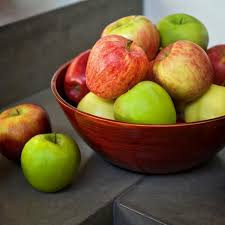
A is for Apples - How do you eat yours?

Apples are one of the UK's favourite fruits and with more than 3,000 different types of apples, we are truly spoilt for choice. Whether you love a Braeburn, Golden Delicious, or a Pink Lady, apples are delicious when eaten on their own or paired with meat, used in a soup, baked into pies, or topped with crumble ... and there are low carb recipes for this!


Some recipes you may like to try


Celeriac and Bramley Apple Soup
combine the flavours of celeriac, blue cheese, apple and walnuts.
more details here


Pork and Apple Meatballs
so tasty served with a lower carb mash
more details here


Apple Dump Cake
 a low carb, grain free and gluten free recipe
more details here


Apple Crumble
the perfect Autumn dessert, made the lower carb way
more details here

Do you eat apples? Have you a favourite from above, or perhaps you have your own preferred recipe.

This blog brings a variety of articles and recipe ideas, and it is important to note, not all may be suitable for you. If you may have any food allergies, or underlying health issues these must always be taken into account. If you are a diabetic and not sure how certain foods may affect your blood sugars, test is best, i.e. use your meter.

All the best Jan

Thursday, 9 September 2021

Root vegetable soup : Lovely for cooler days


If you may be looking for a soup suitable for cooler days, how about this one! You can use any hard, starchy root vegetables you like for this simple root vegetable soup. Carrots, parsnips, sweet potatoes, squash and celeriac all work well. 

Ingredients
Serves Four
2 tbsp oil 
2 onions, roughly chopped
800g/1lb 12oz root vegetables, any kind (see tip below), peeled and cut into roughly 2cm/¾in chunks
2 garlic cloves, thinly sliced
2 chicken or vegetable stock cubes
ground black pepper
freshly chopped parsley, to serve (optional)
Method
1. Heat the oil in a large non-stick saucepan and gently fry the onions for 6–8 minutes, or until softened and beginning to brown, stirring regularly.
2. Add the vegetable chunks and cook for 5 minutes more, stirring occasionally. Stir in the garlic and cook for a few seconds more.
3. Crumble over the stock cubes, add 1 litre/1¾ pints water and bring to the boil. Reduce the heat to a simmer, cover the pan loosely with a lid and cook for about 20 minutes or until the vegetables are very soft, stirring occasionally. Some will soften more quickly than others. Remove the pan from the heat.
4. Blitz the soup with a stick blender until very smooth and season with plenty of ground black pepper. Add a splash of just-boiled water if the soup is a little thick.
5. Ladle into bowls, top with freshly chopped parsley, if using. 
Optional 
Serve with warm crusty bread, or perhaps a low carb bread, see here

Each serving provides 4g protein, 31.5g carbohydrates (of which 18g sugars), 7g fat (of which 1g saturates), 10g fibre and 1.4g salt.

Some Recipe Tips
You can use any hard, starchy root vegetables you like for this simple soup. Carrots, parsnips, sweet potatoes, squash, pumpkin, beetroot and celeriac all work well, and remember the smaller you chop the pieces, the faster they will cook.

You can also serve the soup with chunky pieces rather than blitzing if you prefer, or blitz half and mix with the rest of the veg.

This soup will freeze well for at least 4 months. Cool thoroughly, then decant into reusable zip-lock bags or lidded containers. Label and freeze.

If you don’t have a stick blender, allow the soup to cool for a few minutes then blend in a food processor or blender instead.
From an original recipe here


Related Post
Root Vegetables, so healthy - read it here

Looking for a lower carb soup, you may like this recipe
Celeriac Soup and Low Carb Focaccia Bread - see it here

For those who may be looking for a soup suitable for warm/hot days
Gazpacho Soup - A wonderful taste of Andalucia - see it here

Readers, you will find a variety of articles, studies etc. plus recent news/views and recipe ideas within this blog, we hope something for everyone to read and enjoy. Please note, not all may be suitable for you. If you may have any food allergies, or underlying health issues these must always be taken into account. If you are a diabetic and not sure how certain foods may affect your blood sugars, test is best, i.e. use your meter.

All the best Jan

Wednesday, 8 September 2021

Spiders everyone is talking about them !


At the moment there are many articles (including this one) about spiders in newspapers, magazines and the internet. Now some of us do not mind spiders, (the one above looks quite friendly) but many of us do not like spiders in the house! If you would like to find out how to get rid of spiders in the house and how to prevent spiders from coming in, keep on reading!

The below are all natural ways to get rid of spiders that won't cause them, or you, any harm.

Most species of spider are harmless to humans but if you're one of the many people who doesn't like to share their home with any eight-legged friends – but don't want to resort to causing spiders any harm – follow these top tips for keeping arachnids at bay.

As days get shorter, leaves change colour we may begin to dream of heart-warming soups... there's little doubt that autumn is upon us. However, with this change of season comes an element that many of us find less desirable – the annual migration of spiders from our gardens to our homes.

As the spiders flee dropping temperatures and travel further afield in search of a mate, autumn represents the time of year you're most likely to encounter an eight-legged visitor scuttling around your home.

Spider Catcher
The spider catcher is a battery-operated vacuum which gently picks up the spider and allows you to take it outside without hurting it.

Essential oils
Spiders are repelled by strong scents that, happily, many of us already use as home fragrances. Peppermint oil is a particularly popular remedy, just add 15 to 20 drops of the essential oil to a spray bottle filled with water and spritz around the house. Other good options for this include tea-tree, lavender, rose and cinnamon. Changing the oil that you use regularly can help to ensure that the remedy continues to be effective.

Vinegar
Should the essential oils not work, this is another version of the same remedy. Fill a spray bottle with half white vinegar and half water and spray in corners, cracks and crevices to ward off spiders. Be careful to avoid varnished surfaces as vinegar can be somewhat harsh on their appearance.

Get cleaning
Spiders like to have places to hide and one of the best ways to prevent this is by keeping your house neat and tidy through regular tidying, cleansing and de-cluttering. Opt for plastic storage containers rather than cardboard boxes as these are harder for spiders to crawl into. Also dust and vacuum regularly to rid your house of unwanted webs.


Protect the exterior of your house
Make sure spiders don't get into your house in the first place by moving anything that they would be likely to hide in away from any exterior walls. This could include leaves, grass clippings, vegetation, compost or woodpiles. Check door openings and window sills for any cracks that spiders could crawl through and seal these with caulk. Also fix torn window screens and cover vents and chimneys with fine mesh.

Plant a eucalyptus tree in the garden
As well as being low maintenance and smelling wonderful, the strong medicinal scent will repel spiders. If you don't have room for a eucalyptus tree, you could plant mint or lavender underneath or near windows, as again the strong smell will drive spiders away.

Citrus
Spiders supposedly hate all citrus scents, so rub citrus peel along skirting boards, window sills and bookshelves. Use lemon-scented cleaners and furniture polish, and burn citronella candles both inside and outside of your home ( be safe, always take care with candles, especially if there are young children around)


Turn off your lights
While light itself doesn't attract spiders, it does attract the insects that spiders feast on so turn off the outside lights to prevent spiders coming near the house. Stop indoor lights from shining through outdoors by using opaque blinds and shades. If you do need to keep the lights on, use yellow sodium vapour lights as these are less likely to attract insects.

Conkers
Old wives' tales have it that spiders are repelled by chestnuts. While not scientifically proven to work – like a peppermint spray is – scattering a few conkers on windowsills and in the corners of rooms certainly won't do any harm and many people swear by it as a spider deterrent.
Warning! Conkers can be poisonous so please consult your vet before putting these in your home if you have pets.


Cedar
Another scent that spiders are said to detest is cedar. Hauling a cedar plant into your home isn't exactly practical, however, there are many products on offer to give this one a try. Many stores offer a range of (cedar) options to hang in wardrobes or put in drawers or corners. Sand them down every now and then to refresh the scent, what's more the woody aroma is said to repel clothes moths too.

Garlic
Known for its vampire-repelling properties, turns out spiders don't like the smell of this pungent bulb either. Depending on how strong a scent you yourself can cope with, either put whole cloves or crushed cloves into a spray bottle filled with water and use to scent the corners, floors and skirting boards of any room prone to receiving unwanted guests.


Words from the internet and article here

… and I just couldn't resist sharing this Spider Web Cake! It's a low carb, sugar free cake and could be perfect for an Autumn gathering or Halloween ...


more details here

As regular readers know, this blog brings a variety of articles, studies, thoughts, music and recipes! It is presented in a magazine style - we hope something for everyone. Our main focus is about the Low Carb Higher (Healthy) Fat lifestyle, LCHF for short, and you can read/find out more about that here

I do hope that within this post above you may find some helpful tips, and also be encouraged to get your cooking apron on and try the recipe (and others that are within the blog) … but please note, not all recipes may be suitable for you. If you may have any food allergies, or underlying health issues these must always be taken into account. If you are a diabetic and not sure how certain foods may affect your blood sugars, test is best, i.e. use your meter.

All the best Jan

Tuesday, 7 September 2021

California Walnut Cake : Lower In Carbs : Enjoy a slice with a cuppa


When living a LCHF lifestyle, you do get used to using alternative flours or nuts and oats, to make low-carb cakes. Take this recipe for example … a pile of whipped orange-scented cream cheese frosting is the perfect accompaniment to the nutty cake underneath.

Ingredients
12 servings
265g walnut pieces (about 2 ¼ cups)
140g Swerve (¾ cup) or other cup for cup sugar replacement
¼ teaspoon (kosher) salt
1 teaspoon ground cinnamon
¼ teaspoon ground cloves
¼ teaspoon ground nutmeg
¼ teaspoon ground ginger
7 (free-range) eggs, room temperature, separated
1 tablespoon orange extract (or orange juice)
Cooking spray

Cream Cheese Frosting
4 ounces whipped cream cheese (½ a tub)
90g Swerve confectioner's sugar
2 tablespoons orange zest (about 1 medium orange)
¼ cup whipping cream, plus 2-3 tablespoons more, if needed (can substitute regular milk)
peeled orange segments for garnish (optional)

Instructions with step-by-step guide
can be found here
Need help with weight/measurement conversion
see here

would you prefer tea or coffee with your slice of cake?

If you are just starting a low carb diet/lifestyle you may feel confused with which low carb flours to use. You may never have used any of them before and how to use them properly can be daunting. Low carb flours do not behave like wheat flour, and how to use them in your old regular high carb recipes is a common question. Of course you may also be interested, or want to know more about them. If that is the case then Libby at 'Ditch The Carbs' site has a very good guide, and you can read it here

Dear reader, you will find a variety of recipe ideas and articles within this blog, but please note, not all may be suitable for you. If you may have any food allergies, or underlying health issues these must always be taken into account. If you are a diabetic and not sure how certain foods may affect your blood sugars, test is best, i.e. use your meter.

All the best Jan
Monday, 6 September 2021

Have you ever wondered : Why do the British say "Autumn" instead of "Fall"?

Becca Marsh writes
"You may have heard the British use the word "autumn" to describe the time of year that ends summer and turns to winter or in simpler terms, the third season.

But why do they use a different word?

Both "fall" and "autumn" were used as part of the English language to describe the third season of the year.

But the older of the two is "autumn."


When was the first appearance of the word autumn?
It was first used in English writing in the 14th Century and it comes from the Latin word "autumnus," although it is still a mystery where the word "autumnus" stems from.

Over time autumn became a popular word to use, as prior to this it was referred to as "harvest."

This was quite often disputed over because the window to harvest varied depending on crops and location.

This is because English speakers considered the year to have only two seasons, summer and winter.

Focusing mainly on the coldest and warmest parts of the year, therefore there was no need for a word to describe "harvest."

By introducing the word "autumn," it became a word to describe the transition between summer and winter in a clearer, less disputed way.

Where did the word "fall" come from?
Over time, poets became interested in describing parts of the year in romantic ways, and this is when "fall" appeared for the first time to replace the use of the word autumn.

During the 16th Century, writers continued to be amazed with the time of year and came up with the term "fall of the leaf".

This was used in conjunction with "spring of the leaf" to describe these transitional times of the year.

Eventually the terms were shortened to "spring" and "fall."

Shortly after this time, Britain’s empire was expanding fast, and in turn, that meant the English language was becoming widespread.

One area of the world in particular that it heavily influenced was North America.

As time went on the English that was spoken in America and the English that was spoken in England began to grow apart and develop upon its own accord.

There was less contact between the two areas and this influenced the language being spoken in the two different continents.

So the reason why Americans use fall and British use autumn, is because around the same time the English went over to North America, the most popular word to describe the third season had changed from autumn to fall.

It was in this time that the English language was taken over to North America.

As the two continents became more independent and there was less contact, fall was still used in North America, whilst Britain reverted back to using the word autumn."
Words above from here


The Autumn is one of my favourite seasons, how about you? I often think that Autumn is the season for Celeriac Soup and Low Carb Foccacia Bread - see here

You will find a variety of articles, studies and recipe ideas within this blog, and not all may be suitable for you. If you may have any food allergies, or underlying health issues please take these into account. If you are a diabetic and not sure how certain foods may affect your blood sugars, test is best, i.e. use your meter.

All the best Jan

Sunday, 5 September 2021

Back to School


Eddie

Chicken and Red Wine Casserole : The Mary Berry Way

This lovely recipe idea comes from Mary Berry. She has been teaching the nation (UK) to cook for over four decades and is the author of over 80 books.

Mary is Cordon-Bleu trained and an experienced magazine cookery editor as well as a seasoned television presenter. In 2009 she was awarded the highly coveted Guild of Food Writers Lifetime Achievement Award and in 2012 she was made a CBE for her services to culinary arts. Mary was appointed Dame Commander of the Order of the British Empire (DBE) in the 2020 Birthday Honours for services to broadcasting, the culinary arts and charity. Mary's mission, is to get everyone baking and cooking at home.


Ingredients
Serves Six
400g/14oz baby shallots, peeled
3 garlic cloves, crushed
1 small bunch fresh thyme
4 bay leaves
600ml/20fl oz red wine
6 small skinless and boneless chicken breasts
2 tbsp olive oil
75g/2¾oz butter
3 tbsp plain flour
350g/12oz smoked streaky bacon, chopped into pieces
1 tbsp tomato purƩe
1 tbsp light muscovado sugar
400g/14oz button mushrooms, halved
salt and freshly ground black pepper
Instructions
1. Put the shallots in a large bowl with the garlic, herbs and wine. Mix, then add the chicken breasts, season with salt and black pepper and marinate for at least 1 hour. When you’re ready to cook, preheat the oven to 160C/140C Fan/Gas 3.
2. Sit a colander over a large saucepan and strain the marinated chicken, reserving the shallots, bay leaves and thyme. Dab the chicken with kitchen paper to dry it.
3. Heat the oil and 50g/1¾oz of the butter in a deep ovenproof frying pan or casserole dish. Add the chicken breasts and fry on a medium-high heat, for 5–10 minutes each side, or until browned all over – you may need to do this in batches. Remove with a slotted spoon and set aside.
4. Meanwhile, set the pan with the wine marinade over a high heat and boil, for 5–10 minutes, until the volume of liquid has reduced by a third. Add the flour to a bowl with 150ml/5fl oz water and whisk until smooth. Stir in a little of the hot wine, and add this mixture to the rest of the wine in the pan. Keep hot.
5. Add the bacon to the frying pan or casserole dish and fry over a high heat for about 10 minutes, or until browned. Add the reserved shallots and continue to cook for another 10 minutes, or until they start to soften.
6. Add the hot wine sauce and tomato purĆ©e to the frying pan or casserole dish with the sugar, reserved bay leaves, thyme, salt and black pepper and bring to a boil. Stir until thickened and add the browned chicken. Bring back to the boil, cover with a lid and bake for 20–25 minutes, or until cooked through.
7. Meanwhile, melt the remaining butter in a medium pan and fry the mushrooms over a medium heat for 5–10 minutes, or until just cooked. Add to the chicken casserole just before serving. Remove the bay leaves and thyme from the casserole and serve the casserole hot with mashed potato and shredded cabbage.
Recipe Tips
i) This dish can be made up to 3 days ahead, if covered and kept in the fridge.
ii) In a freezer-proof bag or container, this dish will keep in the freezer for up to a month.
iii) This recipe does contain potatoes, so may affect blood sugar levels. If you would like a lower carb alternative to potatoes you will find some suggestions here
Original recipe can be seen here

'Posh Roasted Vegetables - The Mary Berry Way'
You may have seen this popular vegetarian recipe suggestion from Mary before.
It is a different take on a classic ratatouille with the vegetables arranged prettily in a dish,
and you serve it in slices, see here


You may also like to see this post "Chicken Dishes; Three Popular Low Carb and Keto Suggestions" ... find it here

A variety of recipe ideas are within this blog, but please note, not all may be suitable for you. If you may have any food allergies, or underlying health issues these must always be taken into account. If you are a diabetic and not sure how certain foods may affect your blood sugars, test is best, i.e. use your meter.

All the best Jan

Saturday, 4 September 2021

'A simple proposal : Reduce sugar, reduce disease.'


From The Harvard Gazette:
"Reducing sugar in packaged foods can prevent disease in millions

A new health and economic model clearly shows why it’s imperative that food manufacturers reduce the amount of added sugar in their products

Cutting 20 percent of sugar from packaged foods and 40 percent from beverages could prevent 2.48 million cardiovascular disease events (such as strokes, heart attacks, cardiac arrests), 490,000 cardiovascular deaths, and 750,000 diabetes cases in the U.S. over the lifetime of the adult population, reports a study published in Circulation.

A team of researchers from Massachusetts General Hospital (MGH), the Friedman School of Nutrition Science & Policy at Tufts University, Harvard T.H. Chan School of Public Health, and New York City Department of Health and Mental Hygiene (NYC DOH) created a model to simulate and quantify the health, economic, and equity impacts of a pragmatic sugar-reduction policy proposed by the U.S. National Salt and Sugar Reduction Initiative (NSSRI).

A partnership of more than 100 local, state and national health organizations convened by the NYC DOH, the NSSRI released draft sugar-reduction targets for packaged foods and beverages in 15 categories in 2018. This February, NSSRI finalized the policy with the goal of industry voluntarily committing to gradually reformulate their sugary products.

Implementing a national policy, however, will require government support to monitor companies as they work toward the targets and to publicly report on their progress. The researchers hope their model will build consensus on the need for a national-sugar reformulation policy in the U.S. “We hope that this study will help push the reformulation initiative forward in the next few years,” says Siyi Shangguan, lead author and attending physician at MGH. “Reducing the sugar content of commercially prepared foods and beverages will have a larger impact on the health of Americans than other initiatives to cut sugar, such as imposing a sugar tax, labelling added sugar content, or banning sugary drinks in schools.”

Ten years after the NSSRI policy goes into effect, the U.S. could expect to save $4.28 billion in total net health care costs, and $118.04 billion over the lifetime of the current adult population (ages 35 to 79), according to the model. Adding the societal costs of lost productivity of Americans developing diseases from excessive sugar consumption, the total cost savings of the NSSRI policy rises to $160.88 billion over the adult population’s lifetime. These benefits are likely to be an underestimation since the calculations were conservative. The study also demonstrated that even partial industry compliance with the policy could generate significant health and economic gains.

The researchers found that the NSSRI policy became cost-effective at six years and cost-saving at nine years. The policy could also reduce disparities, with the greatest estimated health gains among Black and Hispanic adults, and Americans with lower income and less education — populations that consume the most sugar as a historical consequence of inequitable systems.

“Reducing the sugar content of commercially prepared foods and beverages will have a larger impact on the health of Americans than other initiatives to cut sugar, such as imposing a sugar tax, labelling added sugar content, or banning sugary drinks in schools.”
— Siyi Shangguan, lead author

Product reformulation efforts have been shown to be successful in reducing other harmful nutrients, such as trans fats and sodium. The U.S., however, lags other countries in implementing strong sugar-reduction policies, with countries such as the UK, Norway, and Singapore taking the lead on sugar-reformulation efforts. The U.S. may yet become a leader in protecting its people from the dangers of excessive sugar consumption if the NSSRI’s proposed sugar-reduction targets are achieved. “The NSSRI policy is by far the most carefully designed and comprehensive, yet achievable, sugar-reformulation initiative in the world,” says Shangguan.

Consuming sugary foods and beverages is strongly linked to obesity and diseases such as type 2 diabetes and cardiovascular disease, the leading cause of mortality in the U.S. More than two in five American adults are obese, one in two have diabetes or prediabetes, and nearly one in two have cardiovascular disease, with those from lower-income groups being disproportionately burdened.

“Sugar is one of the most obvious additives in the food supply to reduce to reasonable amounts,” says Dariush Mozaffarian, co-senior author and dean of the Friedman School of Nutrition Science and Policy at Tufts University. “Our findings suggest it’s time to implement a national program with voluntary sugar reduction targets, which can generate major improvements in health, health disparities, and healthcare spending in less than a decade.”"
The above words and picture from here
h/t Marks Daily Apple here

Related Reads
You Can Successfully Cut Down Sugar In Your Diet In Four Easy Steps, see here

Public Health England publishes third annual report on industry action to reduce sugar levels in products that contribute most to children’s sugar intakes, read it here


You will find a variety of articles, studies and recipe ideas within this blog, and not all may be suitable for you. If you may have any food allergies, or underlying health issues please take these into account. If you are a diabetic and not sure how certain foods may affect your blood sugars, test is best, i.e. use your meter.

All the best Jan

Friday, 3 September 2021

Two Fish Recipe Ideas : Low Carb Choices

I recently posted 'How to Choose the Best Fish for Your Health' it was a popular read, and you can find it here if you've not read it! It seems many of us enjoy turning to fish when planning our weekly menu's, so I am sharing two recipe suggestions that you may like to try.

Herby fishcakes with courgette/zucchini salad

These delicate fishcakes are simply made with white fish, onion, herbs, lightly fried, and served with a fresh ribboned courgette/zucchini salad. To bump up the healthy fats, why not add a dollop of sour cream to the fishcakes and some sliced avocado to the salad.
Ingredients
Courgette/Zucchini salad
280 g courgette/zucchini
2 tbsp olive oil
3 tbsp lemon juice
1 red chili pepper, or a pinch of chili flakes
1 garlic clove, grated
salt and pepper, to taste
Fishcakes
600 g white fish fillets fillets (For example cod, haddock or halibut)
1 (110 g) medium white onion, roughly chopped
7 g fresh mint, roughly chopped
7 g fresh cilantro, or fresh parsley, stalks and leaves, roughly chopped
1 tsp salt
2 tbsp olive oil or ghee
Tips
i) Any white fish is suitable, such as haddock, cod or coley. If you're catering for a crowd, buy frozen white fish and defrost them overnight.
ii) If using previously frozen fish fillets, squeeze out any juices before adding to the food processor bowl.
iii) Cooking time will vary, depending on the thickness of the fish cakes; thinner fishcakes will require less time than thicker ones.
Instructions
can be seen here


Creamy Fish and Broccoli Casserole

This creamy low carb/keto white fish casserole with fresh broccoli, greens, and the briny bite of capers makes a delicious dinner. It's an easy all-in-one family-friendly casserole.

Ingredients
Serves 4
1 tbsp butter, for greasing baking dish
3 tbsp olive oil
450 g broccoli, small florets
1 tsp salt
½ tsp ground black pepper
110 g scallions (spring onions), finely chopped
2 tbsp small capers
650 g white fish (cod, haddock, halibut), cut into serving-sized pieces
1 tbsp dried parsley
300 ml heavy (double) whipping cream
1 tbsp Dijon mustard
85 g butter, cut into thin, equal slices
For serving
140 g leafy greens (optional)
Tips
This is a wonderful all-in-one dish that can be varied in many different ways. Use salmon instead of white fish or perhaps fresh or frozen tuna fish. Use Brussels sprouts, asparagus, zucchini (courgette) or mushrooms instead of broccoli.
Instructions
can be seen here


Dear reader, you will find a variety of recipes and articles within this blog. It is important to note, not all may be suitable for you. If you may have any food allergies, or underlying health issues these must always be taken into account. If you are a diabetic and not sure how certain foods may affect your blood sugars, test is best, i.e. use your meter.

All the best Jan

Thursday, 2 September 2021

Eat your Greens - They are so healthy !


"The 14 Healthiest Leafy Green Vegetables

Leafy green vegetables are an important part of a healthy diet. They’re packed with vitamins, minerals and fibre but low in calories. Eating a diet rich in leafy greens can offer numerous health benefits including reduced risk of obesity, heart disease, high blood pressure and mental decline.

Here are 14 of the healthiest leafy green vegetables to include in your diet."
Have you a favourite from the list?

"1. Kale
Kale is rich in minerals, antioxidants and vitamins, particularly vitamins A, C and K. To reap the most benefits, it’s best eaten raw, as cooking reduces the nutritional profile of the vegetable.

2. Microgreens
Microgreens are immature greens, which have been popular since the 1980s. They’re flavourful and packed with nutrients like vitamins C, E and K. What’s more, they can be grown all year.

3. Broccoli
Broccoli is part of the cabbage family and packs several nutrients, including the plant compound sulforaphane, which may decrease heart disease and cancer risk and improve your gut flora and even symptoms of autism.

4. Collard Greens
Collard greens have thick leaves and are bitter in taste. They’re one of the best sources of vitamin K, may reduce blood clots and promote healthy bones.

5. Spinach
Spinach is a popular leafy green vegetable that can be used in a variety of ways. It’s a great source of folate, which may prevent neural tube defects, such as spina bifida, during pregnancy.

6. Cabbage
Cabbage has thick leaves and comes in various colours. It has cancer-protective properties and can be turned into sauerkraut, which offers additional health benefits.

7. Beet Greens
Beet greens are edible green leaves found on the tip of beets. They’re full of nutrients, including antioxidants that may support eye health.

8. Watercress
Watercress has been used in medicine for centuries. Some studies have shown that watercress may be beneficial in cancer treatment.

9. Romaine Lettuce
Romaine lettuce is a popular lettuce found in many salads. It’s full of water and fibre, making it a great food to help you lose weight. It’s also rich in vitamins A and K.

10. Swiss Chard
Swiss chard is rich in colour and often incorporated into Mediterranean cooking. It contains the flavonoid syringic acid, which may be beneficial for reducing blood sugar levels. However, human-based research on its effectiveness is lacking.

11. Arugula
Arugula is a leafy green vegetable that goes by several different names, including rocket and rucola. It’s rich in vitamins and naturally occurring nitrates, which may help reduce blood pressure and improve blood flow.

12. Endive
Endive is a lesser-known leafy green vegetable that is curly and crisp in texture. It contains several nutrients, including the antioxidant kaempferol, which may reduce cancer cell growth.

13. Bok Choy
Bok choy is popular in China and often used in soups and stir-fries. It’s one of the only leafy green vegetables that contain selenium, which benefits your brain health, immunity, cancer protection and thyroid health.

14. Turnip Greens
Turnip greens come from the greens of a turnip plant and are considered a cruciferous vegetable. Studies have found that they may decrease stress in your body and reduce your risk of heart disease, cancer, inflammation and atherosclerosis.

The Bottom Line
Leafy green vegetables are packed with important and powerful nutrients that are critical for good health. Fortunately, many leafy greens can be found year round, and they can easily be incorporated into your meals — in surprising and diverse ways. To reap the many impressive health benefits of leafy greens, make sure to include a variety of these vegetables in your diet."

Words above taken from an article by Autumn Enloe.
Read the full article, with relevant links here


Kale and Spinach Soup
Kale and Spinach are both very nutritious vegetables.
Why not try them together in this Vegan Style Kale and Spinach Soup.
more details here

Regular readers will know - there is a variety of articles and recipe ideas within this blog, but please note, not all may be suitable for you. If you may have any food allergies, or underlying health issues these must always be taken into account. If you are a diabetic and not sure how certain foods may affect your blood sugars, test is best, i.e. use your meter.

All the best Jan

Wednesday, 1 September 2021

Hello September


Yes, September is here and if you live in the northern hemisphere it brings the last days of summer and the first days of Autumn.

"September, in Old England, was called Haervest-monath (Harvest Month). This is the time to gather up the rest of the harvest and prepare for the winter months.

There are flowers enough in the summertime,
More flowers than I can remember—
But none with the purple, gold, and red
That dye the flowers of September!
Mary Howitt (1799-1888)

September’s name comes from the Latin word septem, meaning "seven" This month had originally been the seventh month of the early Roman calendar. It wasn’t until 451 BC that the months of January and February were added to the calendar, making September the ninth month.

The Romans often associated different months with different gods. September is associated with Vulcan, the Roman god of fire.

September’s zodiac signs are Virgo (Aug. 23–Sept. 22) and Libra (Sept. 23–Oct. 22). Virgos are said to be analytical and hardworking people, while still being kind and loyal. Libras, on the other hand, value harmony and diplomacy, and are said to be both intelligent and kind.

September’s birth flowers are the aster and the morning glory. The significance of both flowers is actually very similar, with the aster being said to represent love, while the morning glory represents affection.

The September birthstone is the sapphire, which was once thought to guard against evil and poisoning. The sapphire, along with the related ruby, are the second-hardest natural gemstones, with only the diamond being harder

September is National Happy Cat Month

September 5th is National Cheese Pizza Day, Have a Pizza Night, the Low Carb Way - more details here


September 19th is International Talk Like a Pirate Day

September 21st is recognized as the annual International Day of Peace.


SEPTEMBER ASTRONOMY
Full Harvest Moon
September’s full moon, the Harvest Moon, reaches peak illumination on Monday, September 20, read more here

FOLKLORE FOR THE SEASON
Heavy September rains bring drought.
September dries up ditches or breaks down bridges.
September blow soft, till the fruit’s in the loft.
Married in September’s golden glow, smooth and serene your life will go.
If the storms of September clear off warm, the storms of the following winter will be warm.
Fair on September 1st, fair for the month."
Words above from here and here

There are so many interesting things about September, I've only included some - you may know of others!


Readers, we bring a variety of articles, studies etc. plus recent news/views and recipe ideas to this blog, we hope something for everyone to read and enjoy.

Please note, not all may be suitable for you. If you may have any food allergies, or underlying health issues these must always be taken into account. If you are a diabetic and not sure how certain foods may affect your blood sugars, test is best, i.e. use your meter.

All the best Jan

Tuesday, 31 August 2021

Mexican Breakfast or Lunch Scramble : Egg-free and low-carb

Just because you don't eat eggs or dairy, doesn't mean that you can't enjoy a hearty breakfast (or lunch) scramble. This savoury dish is loaded with ground (minced) turkey and plant protein, Mexican flavours, and fresh veggies. It's an egg-free and dairy-free way to enjoy your action-packed day!


Ingredients
Serves Four
9g net carbs per serving
375 g firm tofu*, drained and cut into small cubes .5" (1.5 cm)
450 g ground (minced) turkey
1 tbsp olive oil
3 tbsp taco seasoning
1 (140 g) red bell pepper, diced
1 (110 g) yellow onion, diced
salt and pepper
1 (200 g) avocado mashed
1 tbsp fresh cilantro, finely chopped
4 tbsp sour cream, dairy-free or vegan
1 tbsp lime juice
Note
If preferred you can substitute the tofu* for 2 eggs per serving.
Instructions
can be seen here

A little about Tofu
"Tofu, or bean curd, is a popular food derived from soya. It is made by curdling fresh soya milk, pressing it into a solid block and then cooling it – in much the same way that traditional dairy cheese is made by curdling and solidifying milk. The liquid (whey) is discarded, and the curds are pressed to form a cohesive bond. A staple ingredient in Thai and Chinese cookery, it can be cooked in different ways to change its texture from smooth and soft to crisp and crunchy.

Tofu is a good source of protein and contains all nine essential amino acids. It is also a valuable plant source of iron and calcium and the minerals manganese and phosphorous. In addition to this, it also contains magnesium, copper, zinc and vitamin B1.

Note of caution
Tofu and all soya products contain large amounts of oxalate. Individuals with a history of kidney stones containing oxalate should avoid over consuming soya products."
Words above from here

You could well be doing a Mexican Hat Dance,
after you've eaten this dish!

Readers, please note, you will find a variety of articles and recipe ideas within this blog, and not all may be suitable for you. If you may have any food allergies, or underlying health issues these must always be taken into account. If you are a diabetic and not sure how certain foods may affect your blood sugars, test is best, i.e. use your meter.

All the best Jan

Monday, 30 August 2021

'The more time you spend outdoors in natural light, the happier you’ll be'

There's a lot to be said about walking, or being outside, it can be so uplifting, and a recent study has shown that increased daytime light exposure is beneficial for both mood and sleep disorders.

The Beaulieu River at Longwater Lawn,
 always plenty of New Forest Ponies to see

"Time spent in outdoor light is associated with mood, sleep, and circadian rhythm-related outcomes: a cross-sectional and longitudinal study in over 400,000 UK Biobank participants

Highlights

Greater time in outdoor light was associated with lowered odds of lifetime major depressive disorder

More daylight predicted better outcomes across a range of mood and sleep measures

These relationships held in both cross-sectional and longitudinal analyses

Abstract

Background
Light has powerful effects on mood, sleep, and the circadian system. Humans evolved in an environment with a clear distinction between day and night, but our modern environments have blurred this distinction. Negative effects of light exposure at night have been well characterized. The importance of daytime light exposure has been less well characterized. Here we examine the cross-sectional and longitudinal associations of time spent in daytime outdoor light with mood-, sleep-, and circadian-related outcomes.

Methods
Participants were drawn from the UK Biobank cohort, a large study of UK adults (n = 502,000; 37-73 years old; 54% women).

Results
UK Biobank participants reported spending a median of 2.5 daylight hours (IQR = 1.5 – 3.5 hours) outdoors per day. Each additional hour spent outdoors during the day was associated with lower odds of lifetime major depressive disorder (95% CI OR:0.92-0.98), antidepressant usage (OR:0.92-0.98), less frequent anhedonia (OR:0.93-0.96) and low mood (OR:0.87-0.90), greater happiness (OR:1.41-1.48) and lower neuroticism (incident rate ratio, IRR:0.95-0.96). In addition, each hour of daytime light was associated with greater ease of getting up (OR:1.46-1.49), less frequent tiredness (OR:0.80-0.82), fewer insomnia symptoms (OR:0.94-0.97), and earlier chronotype (adjusted odds ratio; OR:0.75-0.77). Auto-Regressive Cross-Lagged (ARCL) models were used to examine the longitudinal association of time spent in outdoor light at baseline with later mood-, sleep- and circadian-related outcomes reported at time point 2. Overall, longitudinal associations support cross-sectional findings, though generally with smaller effect sizes.

Limitations
Future studies that examine the intensity of daytime light exposure at the ocular level are needed.

Conclusions
Our findings suggest that daytime light exposure is a relevant environmental risk factor for mood-, sleep-, and circadian-related outcomes. These findings support the increased daytime light exposure as beneficial for both mood and sleep disorders."
The above from here
h/t Marks Daily Apple here

You will find a variety of articles, studies and recipe ideas within this blog, and not all may be suitable for you. If you may have any food allergies, or underlying health issues please take these into account. If you are a diabetic and not sure how certain foods may affect your blood sugars, test is best, i.e. use your meter.

All the best Jan

Sunday, 29 August 2021

Broth and its benefits


If you follow wellness trends, or even simply shop in the health-foods section, you couldn’t have missed all the attention that broth has been getting lately. It’s been a long time since broth was used as just the base of an easy stock. We’ve definitely evolved, and it’s now rightly deserving of it’s place as a kitchen staple. Part-soup, part-tea, and sometimes vegan, this versatile base offers an impressive nutrient hit. Here are six incredible benefits of broth.

1. Broth Has Anti-Aging Benefits
Broth, and bone broth especially, may just be the anti-aging secret beauty companies don’t want us to know about. The unique makeup of amino acids and minerals directly supports the skin to stay vibrant, supple, and youthful for years to come. Think collagen, gelatine, vitamin c, healthy fats… All those skin-nourishing foods can be found in a single cup of broth.

2. Source Of Essential Nutrients
Especially those hard-to-find amino acids involved in the production of collagen. Broth often contains rich sources of glutamine, which can be a key ingredient in healing issues in the digestive tract, as well as repairing various sites of inflammation or damage in the body. Broth is also a rich, concentrated source of iron - one of the world’s leading deficiencies.

3. May Support Weight Loss
A little-known fact is that collagen has been shown to support the body with weight loss. Supplementing collagen alongside resistance training improves lean muscle mass and improves fat loss. But it doesn’t end here. Because broth is a nutrient-dense, low-calorie option, it’s a great alternative to those looking to enter a caloric deficit to support their weight loss journey.

4. Supports Digestion & Gut Health
One of the most abundant proteins in a typical bone broth is gelatine, which is essential for healthy digestion. When it enters the digestive tract, this protein combines with water to help transit foods through the system. Alongside the other nutrients found in broth, it is also believed to support against inflammatory bowel disease. Glutamine, which is also found in bone broth, has been shown to support and strengthen damaged cells in the gut.

5. Encourages Joint Health
It’s often said that you are what you eat, and this rings true for broth. One of the most highly praised health benefits of broth is the ability to support and repair our joints. This is again due to the high levels of collagen found in a single-serve. Collagen is used by the body to repair cartilage and tissue, as well as being used similarly in injury prevention.

6. Shown To Support Immune Cells
Remember broth’s incredible role in supporting the digestive system? Well this has an important crossover. The small intestine, which absorbs all the nutrients from foods, is the first line of defence for the immune system. Studies have shown that the amino acids found in bone broth especially provide a protective barrier, preventing the development of conditions such as leaky gut, or weakening an already volatile immune system.
Above words from article here

Related Recipes and posts
Veggie Broth - see here
Bone Broth, a beginners guide - see here
Bone Broth and its Anti-Ageing Benefits - see here

You will find a variety of articles and recipe ideas within this blog, not all may be suitable for you. If you may have any food allergies, or underlying health issues these must always be taken into account. If you are a diabetic and not sure how certain foods may affect your blood sugars, test is best, i.e. use your meter.

All the best Jan